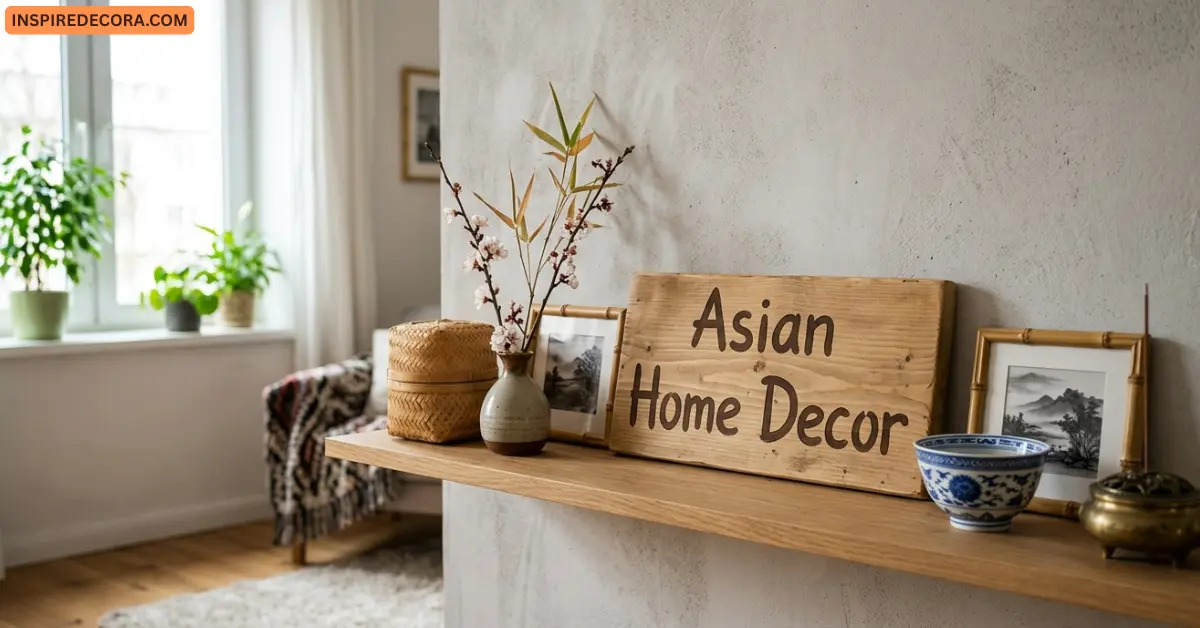
Walk into a well-designed Asian-inspired home and you feel it immediately — a quiet calm, a sense of order, a space that breathes. That’s not an accident. Asian home decor draws on thousands of years of philosophy, craftsmanship, and a deep respect for nature. And the best part? You don’t need to gut your entire house to bring it in.
Whether you love the sleek stillness of Japanese minimalism, the bold energy of Chinese decor, the warmth of Thai interiors, or the vibrant color of Indian design, this guide covers everything your competitors don’t — including how to mix styles, what to avoid, room-by-room tips, and how to do it on any budget.
What Is Asian Home Decor?
Asian home decor is not a single style — it’s a family of design philosophies rooted in different countries, cultures, and centuries of tradition. What they share is a focus on:
- Balance between elements (nature, space, color, and material)
- Intentional simplicity — nothing is placed without purpose
- A deep connection to the natural world
- Symbolism that gives objects meaning beyond their appearance
The most popular styles in Western homes today are Japanese, Chinese, Thai, Balinese, Korean, and Indian. Each has its own language, and understanding them helps you decorate with authenticity rather than just aesthetics.
The 6 Major Asian Decor Styles (And What Makes Each Unique)
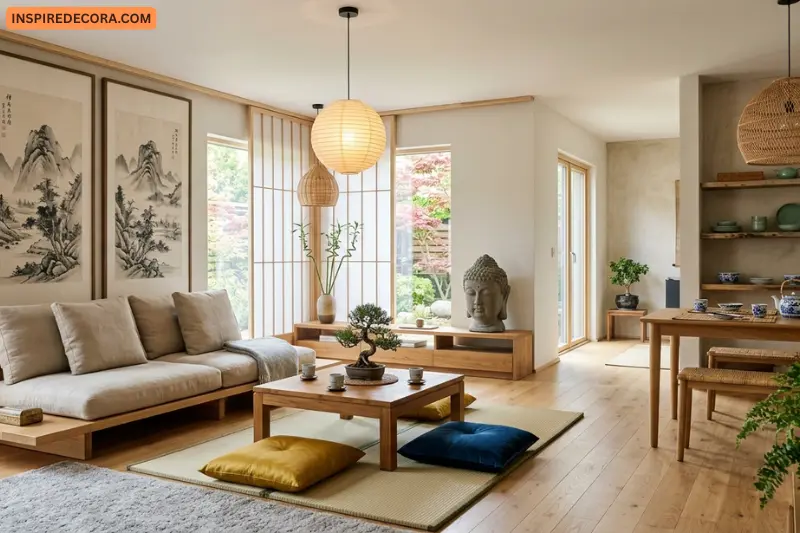
1. Japanese Minimalist Decor
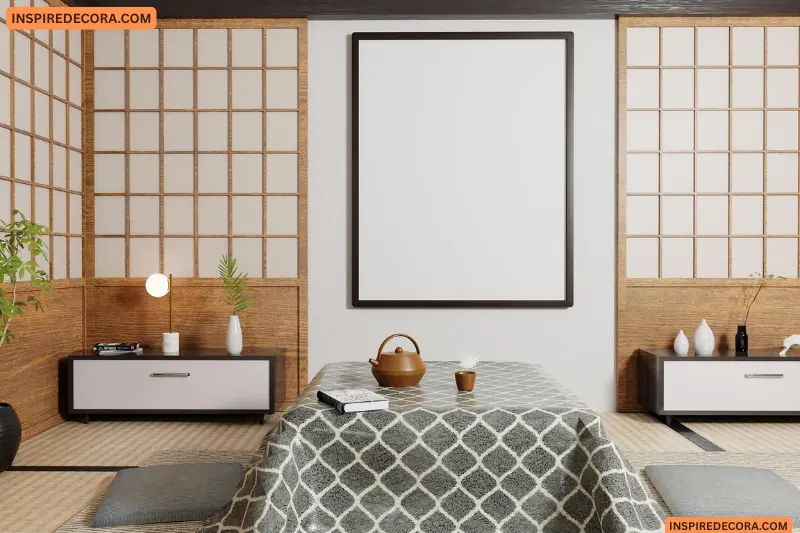
The philosophy: Japanese design is rooted in wabi-sabi — the beauty of imperfection, impermanence, and simplicity. It’s also shaped by ma (negative space), the idea that empty space is not wasted space but a breathing room for the eye and the mind.
Key features:
- Neutral color palette: white, soft gray, warm beige, muted sage
- Natural materials: bamboo, raw wood, rice paper, stone, linen
- Low-profile furniture — think platform beds, floor cushions, low dining tables
- Shoji screens and sliding doors that divide space without closing it off
- Tatami mats, which bring texture and warmth to floors
- Indoor plants like bonsai trees, peace lilies, or moss arrangements
What competitors miss: Japanese design isn’t just about removing things. It’s about choosing each remaining object with care. A single ceramic bowl on a shelf, a branch of dried flowers, a linen curtain — every item has weight. The goal is intentional living, not sterile emptiness.
Best for: Anyone who feels overwhelmed by visual clutter and wants a home that feels like a deep exhale.
2. Chinese Oriental Decor
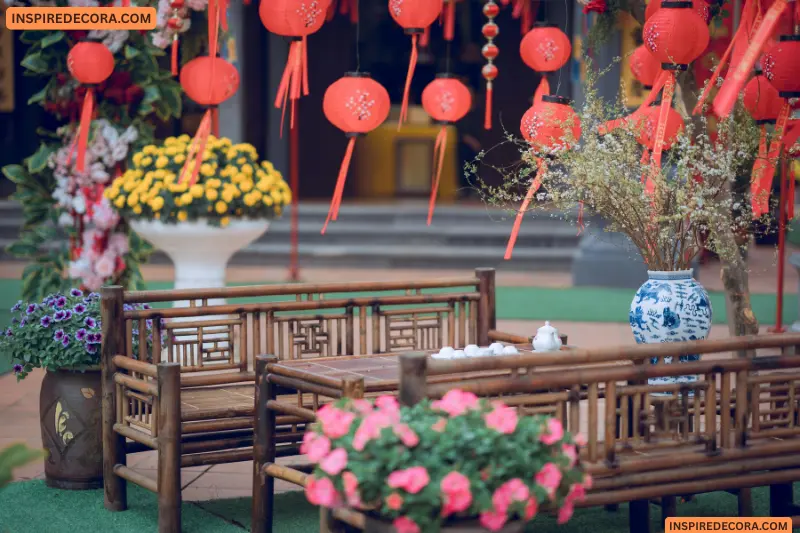
The philosophy: Chinese interior design is layered, symbolic, and rooted in Feng Shui — the ancient practice of arranging your environment to promote the flow of positive energy (chi). Every color, material, and object placement has meaning.
Key features:
- Bold color palette: lacquered red, black, deep gold, and jade green
- Ornate carved wooden furniture — rosewood, elm, and dark lacquered pieces
- Silk textiles for curtains, cushions, and bed coverings
- Decorative porcelain vases, lanterns, and tea sets
- Animal motifs: dragons (power), phoenixes (renewal), cranes (longevity)
- Paper lanterns and hand-painted screens
Feng Shui basics you can apply today:
- Keep your front entrance clear and well-lit — it’s where energy enters
- Place your bed diagonally opposite the door, never directly in front of it
- Use mirrors to expand light in small or dark rooms
- Add a small water feature (like a tabletop fountain) in the north or east of a room to attract prosperity
- Avoid sharp corners pointing at seating areas — they create “poison arrows”
What competitors miss: Modern Chinese decor doesn’t have to look like a dynasty museum. Contemporary Chinese design beautifully blends traditional lacquered furniture with clean architectural lines, soft neutral backgrounds, and just a few bold statement pieces. Think one red lacquer cabinet against an ivory wall — striking but not overwhelming.
3. Thai Decor
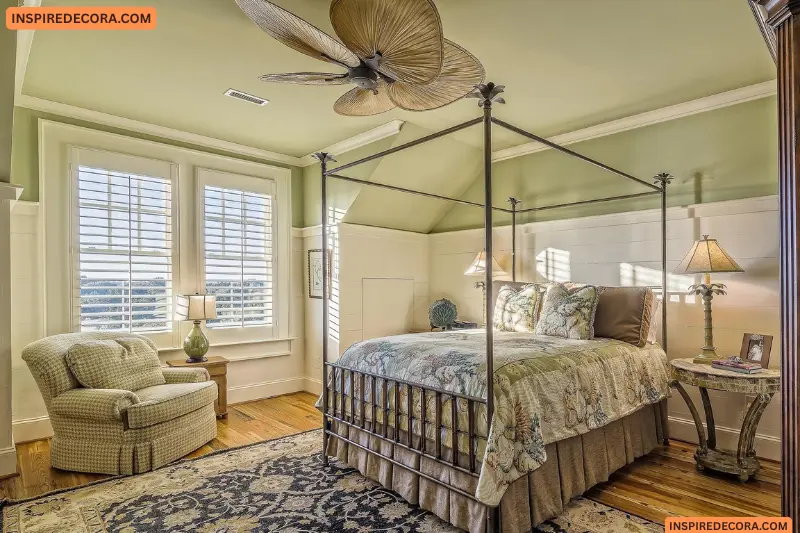
The philosophy: Thai design is a natural bridge between Japanese calm and Chinese opulence. It embraces spirituality, golden tones, and a warm tropical richness rooted in Buddhist tradition.
Key features:
- Deep purples, turquoise, warm golds, and rich teakwood tones
- Hand-carved wooden furniture with intricate detailing
- Elephant motifs — in Thailand, the elephant symbolizes wisdom, strength, and good fortune
- Gold Buddha statues and offerings bowls as decorative focal points
- Silk textiles and woven rattan furniture
- Lush tropical plants: birds of paradise, palms, orchids
What competitors miss: Thai decor works beautifully in living rooms and dining areas because of its warmth and layered texture. A teak sideboard, a hand-woven rattan pendant light, silk cushions in jewel tones, and a single gold Buddha on a shelf — that combination is distinctly Thai and deeply inviting. Don’t overlook Thai silk; as a textile, it has a natural shimmer that works as curtains, pillow covers, or even framed as wall art.
4. Balinese Decor
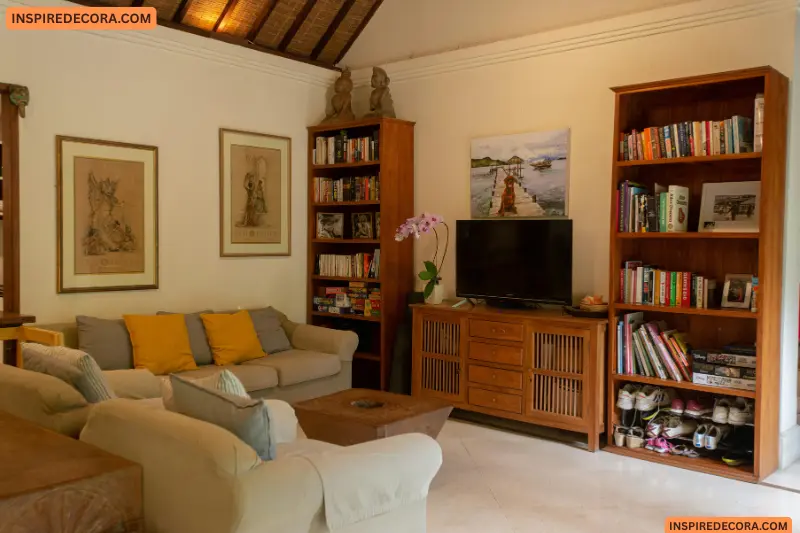
The philosophy: Balinese design blends Hindu spirituality with tropical island living. It’s earthy, textured, organic, and deeply connected to craftsmanship.
Key features:
- Thatched or wood-slatted ceilings, stone sculptures, and open-air concepts
- Natural materials: reclaimed teak, rattan, woven grass, volcanic stone
- Muted earth tones with pops of saffron, terracotta, and cream
- Handmade objects — carved wooden masks, woven baskets, clay pottery
- Water features, indoor gardens, and cascading plants
- Stone or resin Ganesh and Dewi Sri figures as decorative accents
What competitors miss: Balinese decor is one of the most underrepresented Asian Home Decor styles in Western guides, yet it’s one of the most achievable. You can create a stunning Balinese corner with a reclaimed wood side table, a terracotta pot, a woven rattan chair, and a stone candle holder. It feels luxurious without being expensive.
5. Korean (Hanok-Inspired) Decor
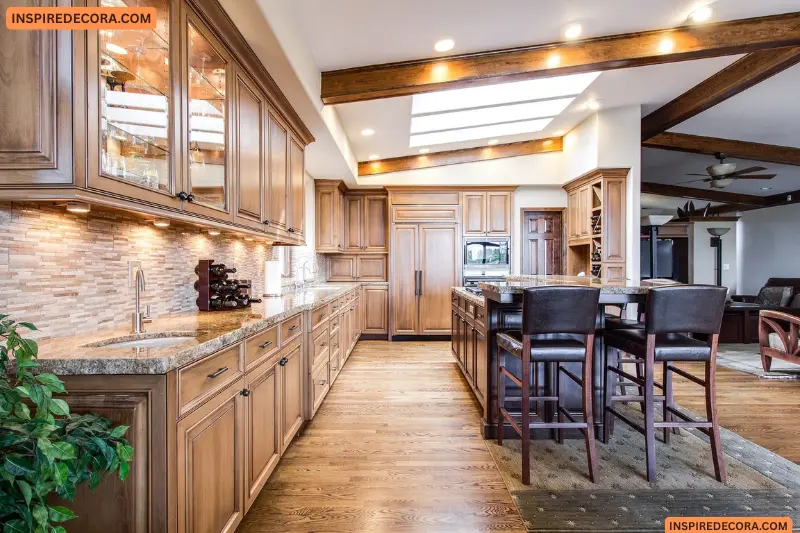
The philosophy: Korean traditional design, inspired by Hanok architecture, values natural beauty, understatement, and a refined simplicity that feels similar to Japanese design but warmer and earthier.
Key features:
- Earthy color palette: ochre, clay, soft white, brown
- Ondol-inspired low living — floor seating and low furniture
- Hanji (Korean mulberry paper) used in windows and lampshades
- Celadon pottery and celadon-green ceramics
- Jangseung totem-inspired folk art for walls
- Natural wood with very little lacquer — the grain speaks for itself
What competitors miss: Almost every competitor completely ignores Korean design. Yet Korean minimalism — increasingly popular through the global influence of K-design — offers a warmer, softer version of minimalism than Japan’s and is perfectly suited to modern apartments and small homes Asian Home Decor.
6. Indian Decor
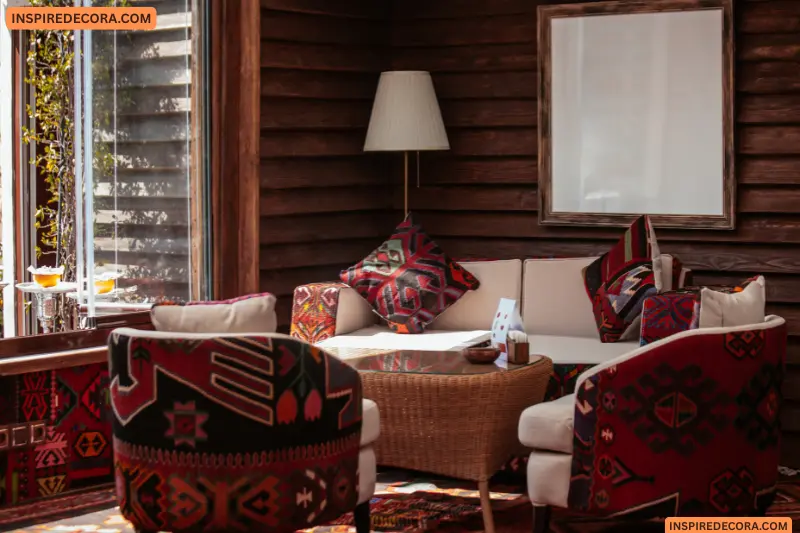
The philosophy: Indian interior design is joyful, layered, and unapologetically bold. It is shaped by centuries of royal court aesthetics, artisan craft traditions, and a culture that sees color as sacred.
Key features:
- Rich color palette: saffron, magenta, cobalt blue, peacock green, turmeric gold
- Luxurious textiles: silk, velvet, brocade, embroidered kantha throws
- Hand-carved wooden furniture with painted or gilded detailing
- Peacock and elephant motifs in art, textiles, and sculpture
- Traditional art forms like Madhubani paintings and Warli folk art as wall decor
- Brass and copper accessories — bowls, lamps, incense holders
What competitors miss: Indian decor doesn’t require you to go maximalist. A single piece — a hand-embroidered cushion cover, a brass temple lamp, a jute dhurrie rug — can anchor a room and give it unmistakable warmth and personality. Indian design also layers beautifully with Scandinavian or mid-century modern furniture.
Room-by-Room Asian Decor Ideas
This is the practical section your competitors skip. Here’s how to bring each style to life, room by room.
Living Room
- Go low: Replace a traditional sofa setup with a platform sofa or add floor cushions around a low teak coffee table.
- Use a statement wall: A hand-painted chinoiserie panel, a large Japanese ink-wash landscape print, or a Thai carved wood relief panel works beautifully.
- Layer your textiles: Start with a neutral base rug, then add silk or velvet throw cushions in your accent color.
- Add a natural focal point: A tall bamboo stem arrangement, a bonsai tree, or a large stone Buddha creates an immediate grounding element.
- Lighting: Replace harsh overhead lighting with paper lanterns, rattan pendants, or warm-toned floor lamps.
Bedroom
- Platform beds are the cornerstone of Japanese and Korean bedroom design. Keep bedding neutral — white linen, soft grey cotton.
- Hang shoji-style rice paper panels as window treatments for diffused, calming light.
- Keep the nightstand minimal: one lamp, one plant, one book.
- For a Chinese-influenced bedroom, a carved red or black lacquer headboard or armoire creates an immediate impact.
- Use a low-sitting vanity with a round mirror for a Korean hanok-inspired feel.
Bathroom
- Natural stone tile, pebble shower floors, and teak wood bath mats are the easiest ways to give your bathroom an Asian spa feel.
- Add a bamboo stool, a simple cedar bath tray, and a white orchid on the vanity.
- Replace your standard mirror with one in a dark lacquered or raw wood frame.
- A small tabletop water fountain on the vanity creates both sound and a Feng Shui-friendly water element.
Kitchen and Dining Area
- Swap overhead lighting for a rattan or bamboo pendant above the dining table.
- Display celadon green or blue-and-white porcelain serving pieces on open shelves.
- Use chopstick sets, ceramic spoon rests, and bamboo placemats as everyday table decor.
- A small indoor herb garden on the kitchen windowsill keeps the connection to nature alive.
Entryway (Genkan)
In Japanese homes, the genkan (entryway) is a transitional space between the outside world and your sanctuary. It’s treated with care.
- Add a low wooden shoe bench with a small drawer.
- Place a single framed calligraphy piece or simple artwork at eye level.
- Use a ceramic umbrella stand or a woven basket for storage.
- A small potted plant — moss ball, fern, or peace lily — adds life without clutter.
How to Mix Asian Styles Without It Looking Messy
One of the biggest questions readers ask — and one almost no competitor addresses — is: can I mix Japanese and Chinese, or Indian and Thai?
Yes, absolutely. Here’s how to do it with intention:
Pick one dominant style and let everything else support it. If you love Japanese minimalism as your foundation, you can add a single Chinese blue-and-white porcelain vase or an Indian hand-block print cushion without disrupting the calm. The key is restraint — one statement from another culture, not three.
Use a shared color thread. If your Japanese bedroom is warm beige and wood, a Thai silk cushion in warm gold fits naturally. But the same cushion in magenta pink would clash.
Stick to natural materials across all styles. Wood, bamboo, stone, cotton, silk, and linen are common threads throughout all Asian Home Decor design traditions. If everything in the room shares a material language, it reads as cohesive even when the cultural influences are mixed.
What to Avoid in Asian Home Decor
These are the mistakes even well-intentioned decorators make:
- Overdecorating: More is not more in most Asian Home Decor design traditions. If every surface is covered, the effect is lost.
- Buying stereotypes instead of design: Cheap plastic lucky cats, generic paper lanterns from a party store, and mass-produced “Zen garden” kits don’t reflect authentic Asian Home Decor — they’re caricatures of it. Invest in fewer, better pieces.
- Ignoring scale: A tiny bonsai on a large mantle gets lost. A large floor vase in a small room overwhelms. Scale your pieces to your space.
- Clashing color temperatures: Warm Indian golds and cool Japanese grays are hard to combine. Choose one temperature and stay consistent.
- Forgetting function: Asian design is always functional. A beautiful bamboo shelf that can’t actually hold anything, or a floor cushion too thin to sit on comfortably, misses the point entirely.
Asian Home Decor on Any Budget
You don’t need to spend a fortune. Here’s how to approach it at three budget levels Asian Home Decor:
Budget-friendly (under $100):
- Bamboo or rattan storage baskets
- Shoji-style paper lantern pendant covers (fit over standard bulbs)
- Ceramic bud vase for a single stem flower
- Woven jute or bamboo placemats
- Hand-painted chinoiserie-print cushion covers
Mid-range ($100–$500):
- A low teak or solid wood coffee table
- Rattan pendant light fixture
- A real bonsai tree with a ceramic planter
- Silk or embroidered throw cushions
- A framed Japanese woodblock print or Indian Madhubani painting
Investment pieces ($500+):
- An antique or artisan-made carved wooden cabinet
- A hand-knotted wool or silk rug with Asian geometric patterns
- A statement ceramic floor vase (hand-thrown stoneware or Chinese porcelain)
- A teak or rosewood dining table
- A custom-made shoji screen room divider
5 Asian Home Decor Principles That Will Change How You Design Any Room
These aren’t style-specific — they apply across all Asian design traditions and will make any room better.
- Start by removing, not adding. Before you buy anything, edit what’s already in the room. Clutter cancels out even the most beautiful decor.
- Choose one focal point per room. One statement piece — a carved cabinet, a floor plant, a bold artwork — gives the eye a place to land and the room a reason for being.
- Let light do the work. Natural light is the best decor in any Asian-style home. Maximize it with sheer curtains, reflective surfaces, and lighter wall colors.
- Bring one living thing into every room. A plant, a branch of dried grass, a bowl of pebbles from a river — the connection to nature is non-negotiable in Asian design.
- Arrange with intention. Before placing any object, ask: why is this here? What does it add? If you can’t answer, it probably doesn’t need to be there.
Frequently Asked Questions About Asian Home Decor
Is Asian home decor expensive?
Not at all. The philosophy of most Asian design traditions actually encourages fewer, better things. A single well-made piece from a local artisan market often costs less — and looks far better — than a shelf full of cheap decorative objects.
Can I add Asian decor to a modern or contemporary home?
Yes, and the combination often works beautifully. Japanese minimalism and Korean design in particular share so much DNA with modern Scandinavian style that they blend naturally. Chinese chinoiserie pieces work as bold accents in otherwise contemporary rooms.
What’s the difference between “Asian decor” and cultural appropriation?
Appreciation becomes appropriation when you use sacred objects as decoration without understanding their meaning, or when you mock rather than honor a culture. The solution is simple: learn what you’re buying. A Buddha statue is a spiritual object in Buddhism — treat it with respect if you display one. Buy from artisans within those cultures when possible, and avoid mass-produced imitations of meaningful symbols.
What plants work best in Asian-inspired interiors?
Bonsai trees, bamboo, peace lilies, orchids, monstera, snake plants, and moss terrariums all appear regularly in Asian design traditions and are easy to care for indoors.
How do I start if I’ve never decorated in this style before?
Begin with one room — the bedroom is often the easiest. Clear it out, paint it a soft neutral (warm white, soft gray, or earthy beige), add one low-profile piece of wooden furniture, hang a simple artwork, and place one plant. Start there. Asian decor rewards a slow, deliberate approach.
Final Thoughts
Asian home decor is one of the most thoughtful, versatile, and genuinely livable design traditions in the world. At its heart, it’s not about matching furniture sets or following a formula — it’s about creating a space that makes you feel at peace the moment you walk through the door.
Whether you go full Japanese minimalist, mix Thai warmth with Korean simplicity, or bring Indian color into an otherwise neutral home, the best Asian decor tells your story. It’s not a showroom — it’s a sanctuary.