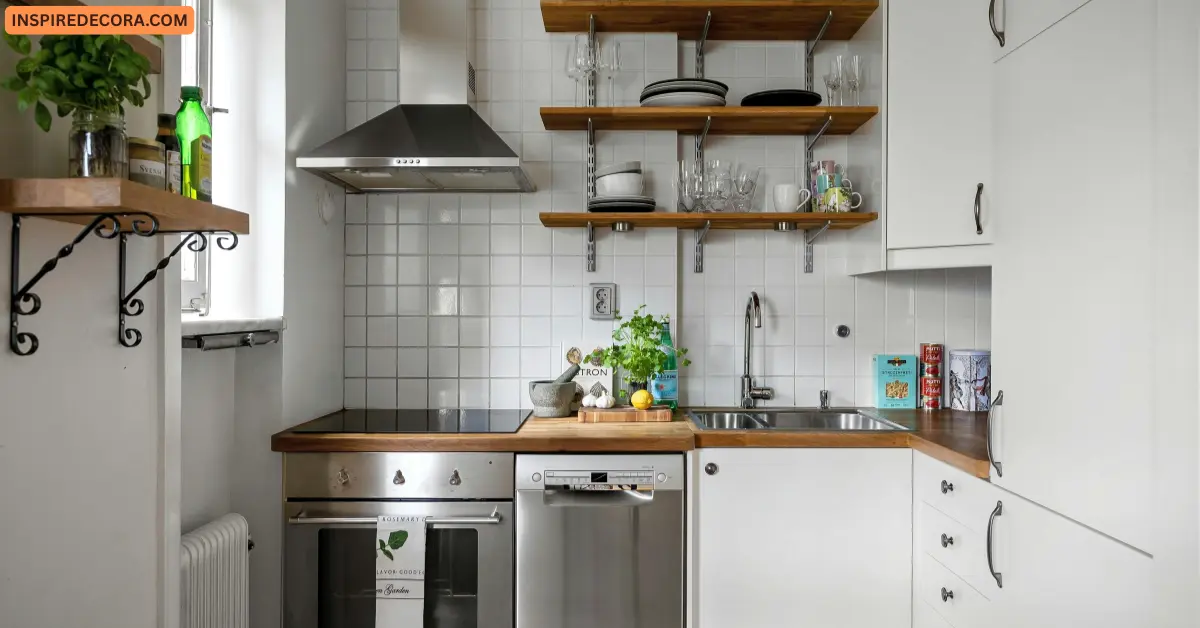
A Thai kitchen is more than just a place for cooking meals; it is a space where culture, tradition, and daily life come together. From the smell of fresh herbs to the sound of sizzling woks, everything in a Thai kitchen feels alive and meaningful. It reflects how deeply food is connected to Thai living and family routines.
In both traditional homes and modern apartments, a Thai kitchen is designed with purpose and practicality in mind. It focuses on strong ventilation, efficient movement, and easy access to ingredients that are used every day. What makes it even more interesting is how these design ideas have evolved while still keeping their cultural roots intact.
As you explore the world of the Thai kitchen, you’ll notice how it blends old traditions with modern lifestyles in a very natural way. From open-air rural setups to compact city designs, each style has its own charm and logic. Let’s take a closer look at what makes this kitchen style so unique and widely admired.
The Meaning of a Thai Kitchen
At its core, a Thai kitchen is designed for active, high-heat cooking. Thai food often involves frying, boiling, and using strong spices, so the kitchen must handle smoke, steam, and strong smells efficiently.
In many Thai homes, the kitchen is not just for cooking. It is also a space where family routines happen, ingredients are prepared fresh, and herbs are often stored or grown nearby. This makes the kitchen one of the most important parts of the home.
Traditional Thai Kitchen Design
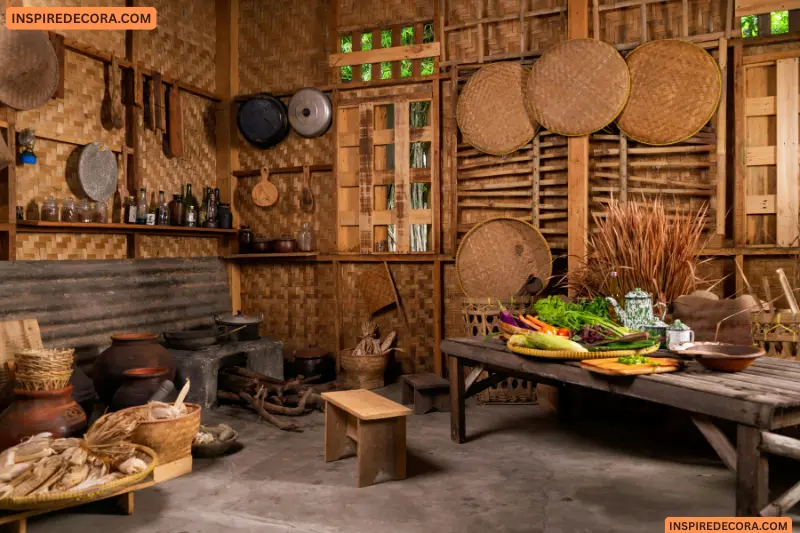
Traditional Thai Style Kitchen were built with climate and lifestyle in mind. In older homes, the kitchen was often a separate structure located behind or beside the main house. This separation helped reduce heat and prevent cooking smells from spreading indoors.
These kitchens usually featured raised wooden floors and natural ventilation through bamboo walls. Firewood or charcoal was commonly used, which made airflow extremely important. The open structure allowed smoke to escape easily while keeping the cooking area cool in a tropical environment.
What makes traditional Thai kitchens unique is their simplicity. Everything was designed for function, from the placement of cooking tools to the use of nearby herb gardens that supplied fresh ingredients daily.
Modern Thai Kitchen Design
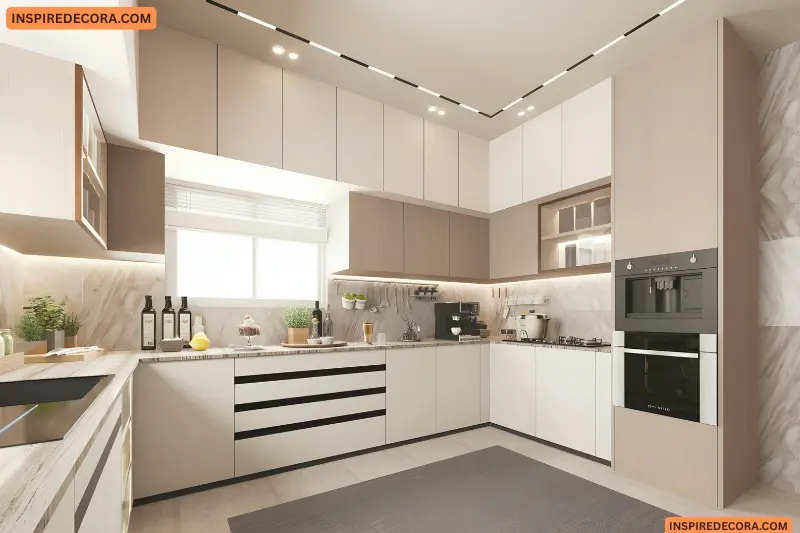
Modern Thai kitchens still respect traditional cooking habits, but they are adapted for urban living. In apartments and city homes, kitchens are now built inside the house with improved ventilation systems and compact layouts.
Materials like quartz, stainless steel, and ceramic tiles are commonly used because they are durable and easy to clean. Exhaust hoods play an important role in managing smoke and strong aromas, especially when cooking Thai dishes.
Even in modern designs, you will still see cultural elements. Many homeowners include wooden accents, herb plants, or Thai-inspired tiles to keep a connection to tradition while enjoying modern convenience.
Layout and Function in Thai Kitchens
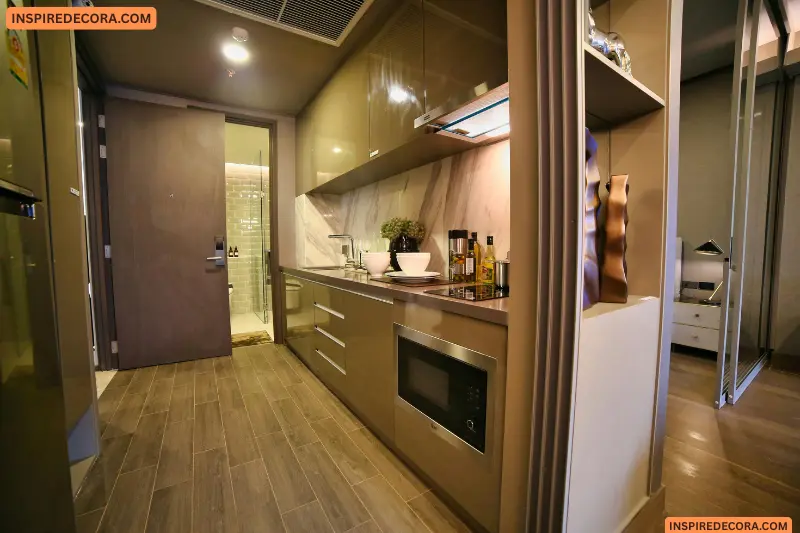
The layout of a Thai kitchen is usually designed around efficiency. Cooking involves multiple steps, so movement between storage, preparation, cooking, and cleaning areas should feel natural and smooth.
In a well-planned Thai kitchen, ingredients are stored close to the preparation area. The cooking zone is positioned where ventilation is strongest, and the cleaning area is placed separately to maintain hygiene. This flow helps reduce effort and makes cooking faster, especially during busy meal preparation.
Materials and Style Choices
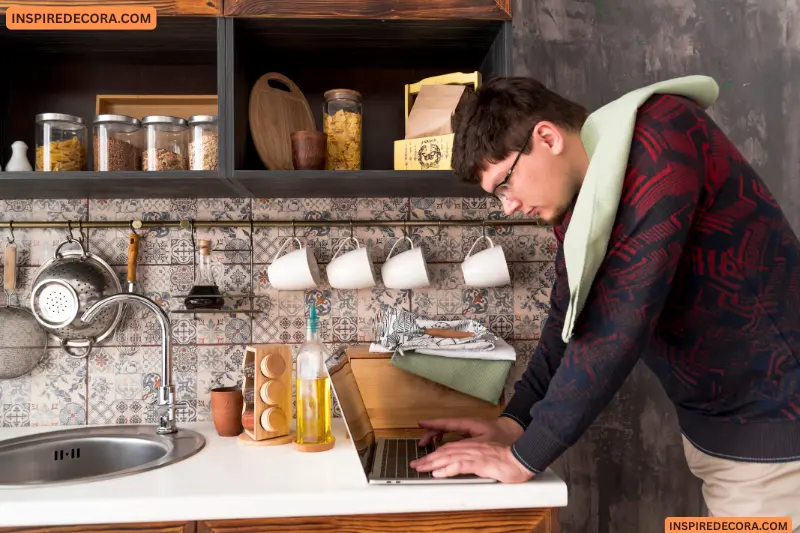
Material selection is very important in Thai Style Kitchen design because of heat, moisture, and frequent use. Traditional kitchens often used natural wood and bamboo, while modern kitchens rely on stronger materials like stainless steel and stone surfaces.
Quartz countertops are popular today because they resist stains and heat. Ceramic tiles are often used for walls and backsplashes since they are easy to clean. At the same time, natural materials like wood or bamboo are still used for decoration to maintain a warm and traditional feel.
This balance between natural and modern materials creates a kitchen that is both practical and visually appealing.
Ventilation and Climate Considerations
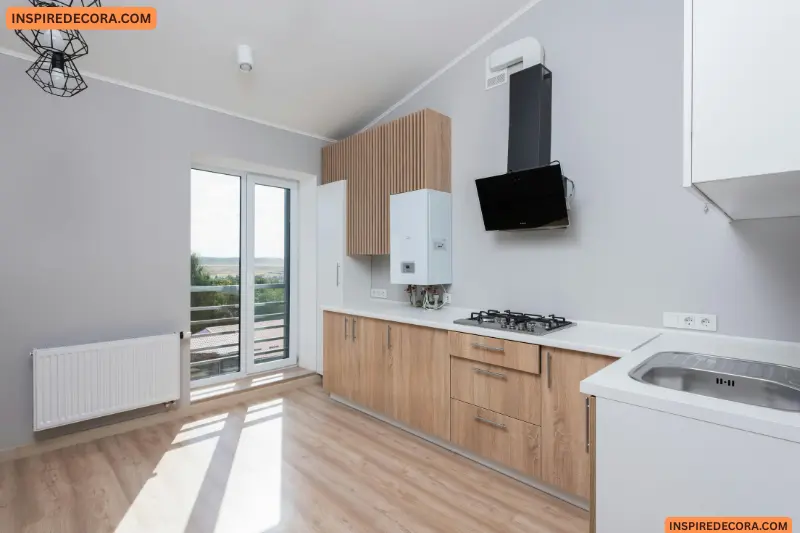
Ventilation is one of the most important aspects of a Thai kitchen. Thai cooking produces strong aromas, steam, and smoke, especially when frying or using spices.
Traditional kitchens relied on open-air designs to let smoke escape naturally. In modern homes, this is replaced with powerful exhaust systems and strategically placed windows. Without proper airflow, odors can easily spread into living areas, making ventilation a key design priority.
Good airflow also helps reduce heat buildup, which is especially important in Thailand’s tropical climate.
Herbs and Fresh Ingredients
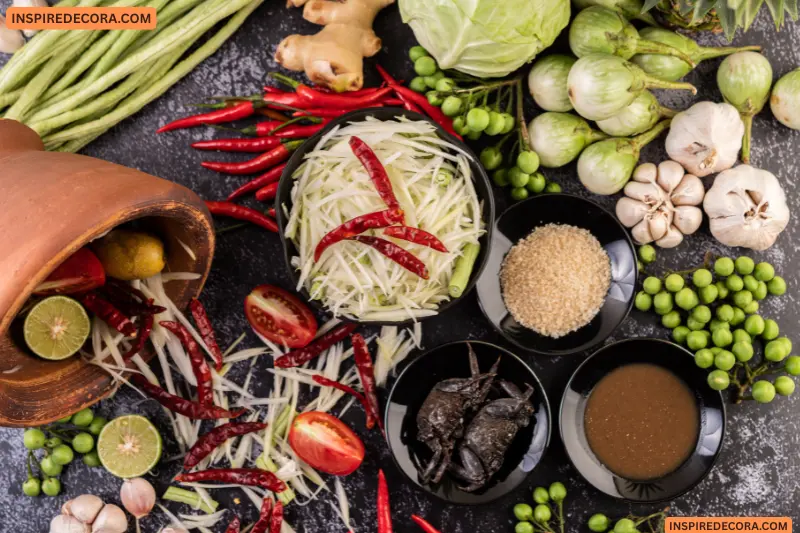
Fresh herbs are a key part of Thai cooking, and many homes design their kitchens to support this. It is common to see small herb gardens near the kitchen or even on balconies in urban homes.
Ingredients like basil, lemongrass, chili, and kaffir lime leaves are often used daily. Having them nearby not only improves convenience but also enhances the freshness and flavor of meals. This connection between kitchen and nature is a strong part of Thai food culture.
Common Design Mistakes to Avoid
Many modern kitchens fail when they ignore traditional cooking needs. One common mistake is poor ventilation, which leads to lingering smells and discomfort. Another issue is insufficient counter space, which makes food preparation difficult.
Using materials that are not heat or stain resistant can also create long-term maintenance problems. A good Thai kitchen always balances beauty with durability and function.
Frequently Asked Questions about Thai Kitchen
What is a Thai Style Kitchen?
A Thai Style Kitchen is a cooking space designed for preparing traditional Thai food, focusing on heat, strong aromas, and efficient cooking flow. It often prioritizes ventilation, easy cleaning, and quick access to ingredients.
What makes a Thai Style Kitchen different from other kitchens?
A Thai Style Kitchen is built around heavy cooking methods like frying and simmering with spices and herbs. Because of this, it usually has stronger ventilation and a more practical layout than many Western-style kitchens.
Why do traditional Thai kitchens have good ventilation?
Traditional Thai Style Kitchen use open designs, bamboo walls, and raised structures to let smoke and heat escape easily. This is important because cooking often involves firewood or charcoal.
What materials are commonly used in a Thai kitchen?
Common materials include wood, bamboo, stainless steel, quartz, and ceramic tiles. These are chosen because they handle heat, moisture, and frequent cleaning well.
Can I design a Thai kitchen in a small apartment?
Yes, modern Thai Style Kitchen designs work very well in small spaces. With smart layouts, compact appliances, and good ventilation, you can create a functional Thai-style kitchen anywhere.
Why are herbs important in a Thai kitchen?
Fresh herbs like basil, lemongrass, and kaffir lime leaves are essential in Thai cooking. Many kitchens keep them nearby or grow them at home for freshness and convenience.
What is the best layout for a Thai kitchen?
The best layout usually follows a simple workflow: storage, preparation, cooking, and cleaning. This makes cooking faster and more organized.
How do modern Thai kitchens control smoke and smell?
Modern Thai Style Kitchen use exhaust hoods, windows, and proper airflow systems to manage smoke and strong cooking aromas effectively.
Are Thai kitchens always open-air?
No, traditional Thai Style Kitchen were often open-air, but modern Thai Style Kitchen are usually indoor spaces designed with improved ventilation systems.
What is the main focus of Thai kitchen design?
The main focus is functionality. A Thai Style Kitchen is designed to support fast cooking, handle strong aromas, and make daily food preparation simple and efficient.
Final Thoughts
A Thai kitchen combines tradition, culture, and practicality in one space. From traditional open-air designs to modern compact layouts, the core idea remains the same: efficient cooking, strong ventilation, and a deep connection to food.
When designed correctly, a Thai kitchen becomes more than just a cooking area. It becomes a space that supports daily life, preserves cultural identity, and makes cooking feel natural and enjoyable.