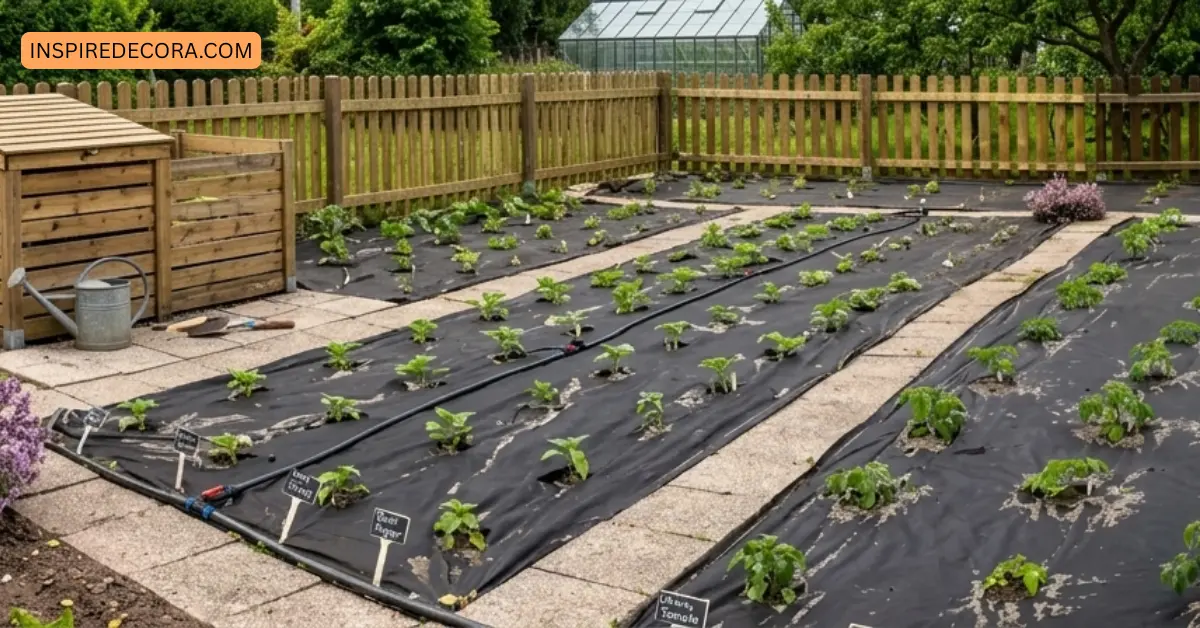
Gardening has always been considered a peaceful and rewarding activity, but in reality, it often requires continuous effort, physical strain, and time-consuming maintenance. Tasks such as removing weeds, maintaining soil quality, and ensuring proper plant growth can quickly become overwhelming, especially for beginners. This is where gardening mats have completely transformed the gardening experience by introducing a more structured, efficient, and low-maintenance method of cultivation.
Modern gardening mats are designed to reduce the challenges associated with traditional gardening by acting as a protective layer over the soil. They not only suppress unwanted weed growth but also help maintain consistent soil moisture and temperature, which are essential factors for healthy plant development. When combined with a reliable weed barrier and supportive tools such as knee pads for gardening, they create a complete gardening system that enhances comfort, efficiency, and productivity.
This guide explores everything you need to know about gardening mat, their types, benefits, and how they can significantly improve your gardening results while reducing unnecessary effort.
What Are Gardening Mats? (Complete Explanation)
Gardening mats are specially engineered ground covers placed over soil to create an optimized environment for plant growth while minimizing weed interference. Unlike traditional plastic sheets or temporary coverings, modern gardening mats are designed with breathable materials that allow air and water to pass through while blocking sunlight from reaching weed seeds beneath the surface.
This controlled environment prevents weeds from growing while ensuring that plants receive consistent hydration and nutrients. Many gardening mat also come with pre-designed spacing systems or planting guides, which help gardeners maintain proper plant alignment and spacing without the need for manual measurement.
In professional gardening and home gardening setups, gardening mats are now widely used as a long-term soil management solution because they reduce labor intensity and improve overall crop yield efficiency. Their role extends beyond weed control, as they also contribute to soil preservation, erosion prevention, and moisture retention.
Types of Gardening Mats and Their Functions
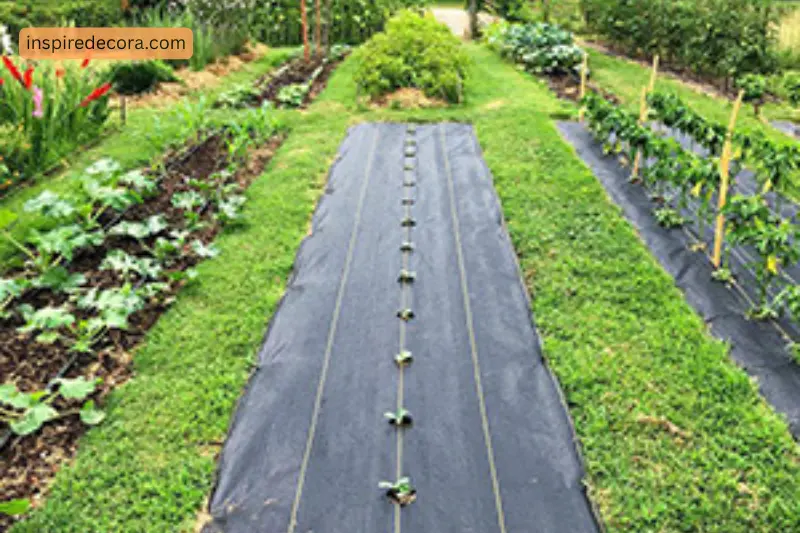
Understanding the different types of gardening mats is essential for selecting the right option based on your gardening goals. Each type serves a unique purpose and is designed to improve specific aspects of plant growth and soil management.
Weed Barrier Gardening Mats
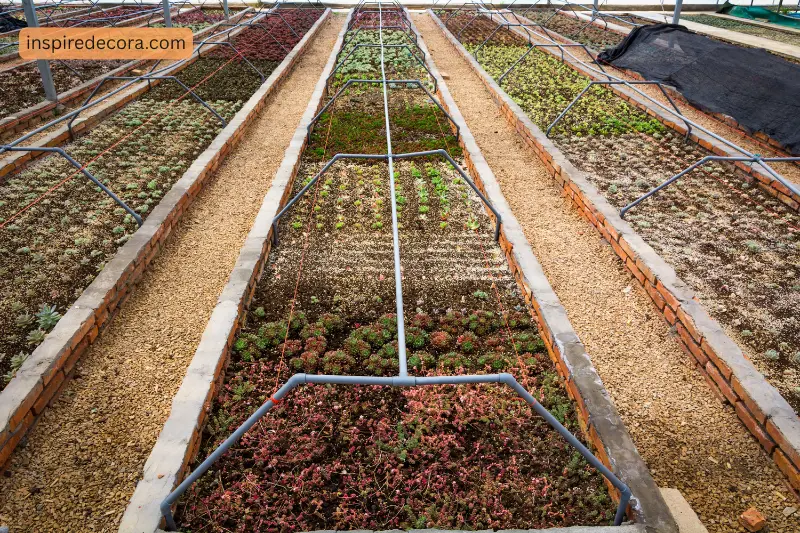
Weed barrier mats are primarily designed to prevent unwanted vegetation from growing by blocking sunlight exposure to weed seeds. These mats are commonly used in vegetable gardens, flower beds, and landscaping projects where long-term weed control is essential. They significantly reduce maintenance time by eliminating the need for frequent manual weeding.
Seed Gardening Mats
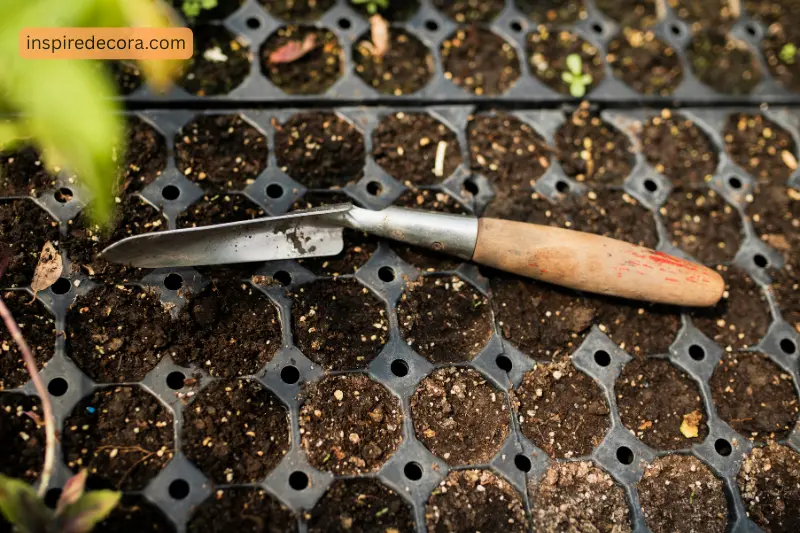
Seed mats are pre-arranged planting systems where seeds are embedded at optimal spacing intervals. These mats simplify the planting process, making them ideal for beginners or individuals who want a hassle-free gardening experience. They eliminate guesswork, ensure proper spacing, and improve germination consistency.
Heat Gardening Mats
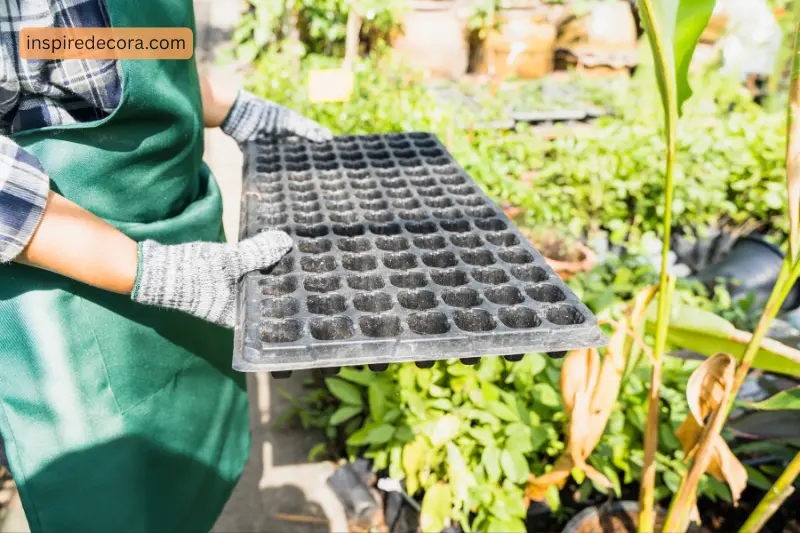
Heat mats are used mainly in indoor gardening or early planting stages. They provide consistent warmth to the soil, which helps accelerate seed germination and promotes stronger root development. These mats are especially useful in cooler climates or controlled greenhouse environments.
When used together strategically, these gardening mats create a highly efficient growing system that improves plant health and reduces manual workload.
Key Benefits of Gardening Mats (Advanced Insights)
The advantages of gardening mats extend far beyond simple weed control. They play a significant role in improving overall gardening efficiency, soil health, and plant productivity, making them a valuable investment for both beginners and experienced gardeners.
One of the most important benefits is the substantial reduction in maintenance time. Traditional gardening often requires constant weeding, watering adjustments, and soil monitoring. Gardening mats significantly minimize these tasks by creating a controlled environment that naturally limits weed growth and retains moisture for longer periods.
Another major advantage is improved soil stability. By protecting the soil surface from direct sunlight and erosion, gardening mats help maintain a balanced soil temperature, which is crucial for consistent plant growth. This stability allows roots to develop more effectively, resulting in healthier and stronger plants over time.
Additionally, gardening mats contribute to water conservation. Since they reduce evaporation, the soil retains moisture for longer durations, decreasing the need for frequent watering. This makes them particularly useful in regions with limited water availability or during hot seasons.
Lastly, modern gardening mat also support eco-friendly gardening practices. Many of them are biodegradable or reusable, reducing environmental impact compared to plastic-based alternatives.
Gardening Mat vs Traditional Gardening Methods
When comparing gardening mats with traditional gardening methods, the difference in efficiency, effort, and results becomes clearly noticeable. Traditional gardening requires continuous soil management, manual weeding, and frequent monitoring of plant spacing and growth conditions.
In contrast, gardening mat provide a structured system that minimizes human intervention while maximizing productivity. They reduce weed growth naturally, maintain soil conditions more effectively, and significantly lower the physical effort required to maintain a garden.
| Feature | Gardening Mat | Traditional Gardening |
| Weed Control | Highly effective | Labor-intensive |
| Water Retention | Excellent | Moderate |
| Soil Protection | Strong | Limited |
| Maintenance Effort | Minimal | High |
| Beginner Friendly | Very easy | Challenging |
This comparison clearly highlights why gardening mats are becoming the preferred choice for modern gardeners seeking efficiency and convenience.
Step-by-Step Guide: How to Use Gardening Mats Effectively
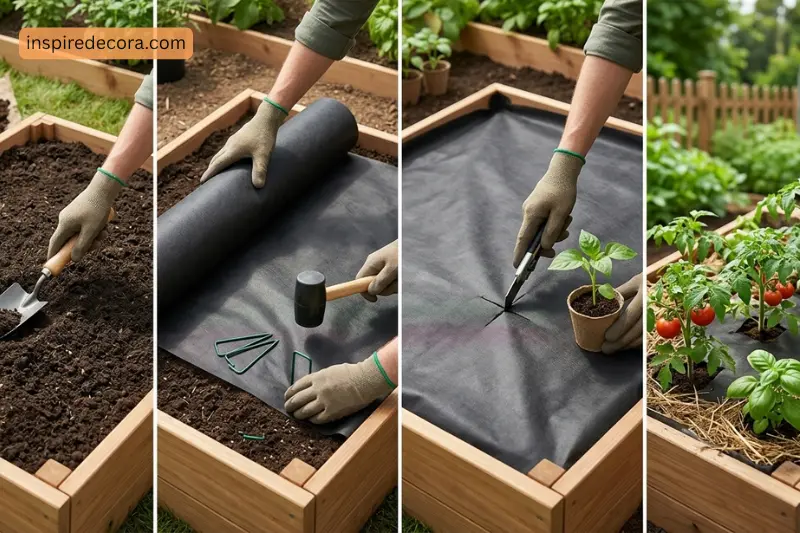
Proper usage of gardening mat is essential to maximize their benefits. When applied correctly, they can significantly improve plant growth while reducing maintenance requirements.
The process begins with proper soil preparation. The soil should be loosened and enriched with compost or organic matter to ensure it is fertile and ready for planting. This step is critical because gardening mat work best when the soil beneath them is healthy and well-prepared.
Next, the gardening mat is carefully laid over the soil surface, ensuring that it is evenly spread without gaps or folds. Proper securing of edges is important to prevent wind displacement or weed penetration from the sides.
Once the mat is positioned, planting can begin through designated holes or cut sections. These pre-defined spaces ensure accurate plant placement and eliminate the need for manual measuring, making the gardening process more efficient and organized.
After planting, controlled watering is required. Gardening mats help retain moisture effectively, so overwatering should be avoided. Instead, water should be applied directly through planting holes to ensure proper absorption.
Importance of Knee Pads for Gardening Comfort and Safety
Gardening often involves prolonged kneeling, which can lead to physical discomfort, strain, or even long-term joint issues. This is why using knee pads for gardening has become an essential practice for both amateur and professional gardeners.
Knee pads provide cushioning support that reduces pressure on the knees, allowing gardeners to work comfortably for extended periods. They also help prevent injuries caused by hard or uneven ground surfaces.
When used alongside gardening mats, knee pads enhance the overall gardening experience by combining physical comfort with efficient soil management. This combination allows gardeners to focus more on plant care rather than physical discomfort.
Common Mistakes to Avoid When Using Gardening Mats
Even though gardening mats simplify the gardening process, improper usage can reduce their effectiveness. One common mistake is placing mats on unprepared or nutrient-poor soil, which limits plant growth potential. Another frequent issue is improper securing of mat edges, which can allow weeds to grow from exposed areas.
Overwatering is also a common problem, as some gardeners assume that mats completely eliminate the need for water management. However, controlled watering is still essential for healthy plant development.
Avoiding these mistakes ensures that gardening mat deliver maximum performance and long-term benefits.
Frequently Asked Questions (FAQs)
What are gardening mats used for?
Gardening mats are used to control weeds, retain soil moisture, and improve plant growth. They act as a protective layer over the soil, allowing water and air to pass through while blocking sunlight that causes weed growth.
Do gardening mats really stop weeds from growing?
Yes, gardening mats significantly reduce weed growth by blocking sunlight from reaching weed seeds in the soil. This makes them one of the most effective weed barrier solutions for home and professional gardening.
Are gardening mats better than plastic weed barriers?
Yes, modern gardening mat are better than traditional plastic barriers because they are often breathable, eco-friendly, and allow water and nutrients to pass through while still preventing weed growth.
Can beginners use gardening mats easily?
Absolutely. Gardening mat are designed for beginners because they simplify planting, reduce maintenance, and eliminate the need for constant weeding or measuring plant spacing.
Do gardening mat affect soil health?
No, high-quality gardening mat actually improve soil health by maintaining moisture levels, preventing erosion, and stabilizing soil temperature, which helps plants grow stronger and healthier.
How long do gardening mats last?
The lifespan of gardening mat depends on material quality. Reusable mats can last multiple growing seasons, while biodegradable options typically last one full gardening cycle before naturally breaking down
Can I use gardening mats for vegetables and herbs?
Yes, gardening mats are perfect for growing vegetables, herbs, and even flowers. They help maintain proper spacing and reduce competition from weeds, leading to healthier plant growth.
Conclusion: Why Gardening Mats Are a Smart Investment
In modern gardening practices, efficiency and sustainability have become top priorities. Gardening mats provide a practical solution that reduces manual labor, improves soil health, and supports consistent plant growth. When combined with a weed barrier and supportive tools like knee pads for gardening, they create a complete gardening system that is both comfortable and highly productive.
Whether you are a beginner or an experienced gardener, investing in gardening mats can significantly transform your gardening experience by making it more organized, efficient, and enjoyable. They are not just a gardening tool but a long-term solution for smarter and easier plant cultivation.