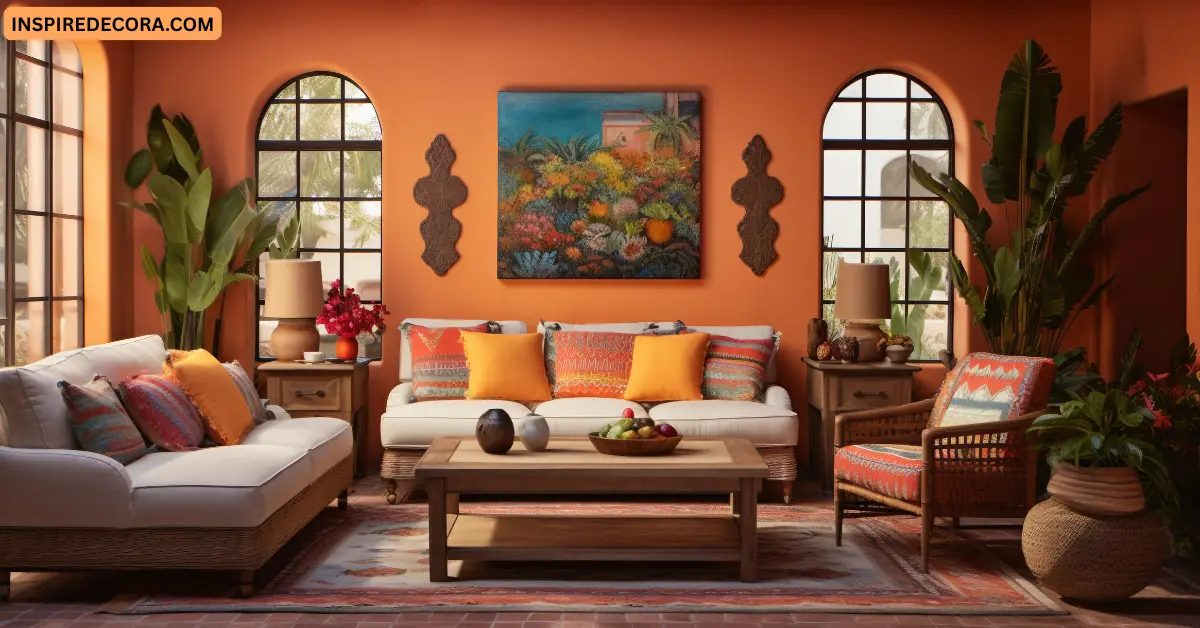
Creating a beautiful home doesn’t have to be complicated, especially when you explore the charm of Indian home decor. This style is known for its warmth, vibrant colors, and rich cultural touch that instantly makes any space feel inviting. Whether you live in a small apartment or a large house, adding Indian-inspired elements can completely transform the atmosphere. The best part is—you don’t need to be an expert to get started.
What makes Indian home decor truly special is how it blends tradition with modern living. From handcrafted items to cozy textiles and earthy tones, every detail adds personality and meaning to your home. But many people feel confused about where to begin or how to combine these elements without making the space look cluttered. That’s exactly where the right guidance can make all the difference.
In this guide, you’ll discover simple, practical, and budget-friendly ways to bring Indian home decor into your space. Instead of just showing products, we’ll focus on how to use them effectively in real homes. If you’re looking to create a space that feels stylish, comfortable, and uniquely yours, you’re in the right place—let’s get started.
What Makes Indian Home Decor Unique?
Indian home decor is special because it beautifully combines tradition, craftsmanship, and vibrant design into everyday living spaces. It’s not just about how a home looks—it’s about how it feels. Every element reflects history, culture, and personal expression, making each space warm, inviting, and full of character. Unlike many modern styles that focus only on minimalism, Indian home decor embraces richness and detail without losing balance.
One of the most striking features of Indian home decor is its use of bold yet harmonious colors. Shades like deep red, royal gold, burnt orange, and earthy browns are often used to create a cozy and welcoming atmosphere. These colors are not chosen randomly—they often carry cultural meaning and help create a sense of warmth that instantly makes a house feel like home.
Another defining aspect is the use of natural and traditional materials. Wood, clay, brass, and cotton are commonly found in Indian interiors, adding both texture and authenticity. These materials not only enhance the visual appeal but also bring a sense of connection to nature.
Alongside this, handcrafted items play a major role. From detailed wooden carvings to handwoven textiles and pottery, each piece showcases the skill and creativity of local artisans, making your decor feel unique rather than mass-produced.
Patterns and designs also contribute to the charm of Indian home decor. Motifs like mandalas, paisleys, and block prints add depth and personality to walls, fabrics, and accessories. These patterns often have cultural roots, giving your home a story that goes beyond simple decoration.
10 Easy Indian Home Decor Ideas
Decorating your space doesn’t have to be complicated. With the right approach, Indian home decor can be both simple and stunning. These ideas will help you create a beautiful home while keeping things practical, balanced, and full of personality.
1. Add Statement Wall Decor
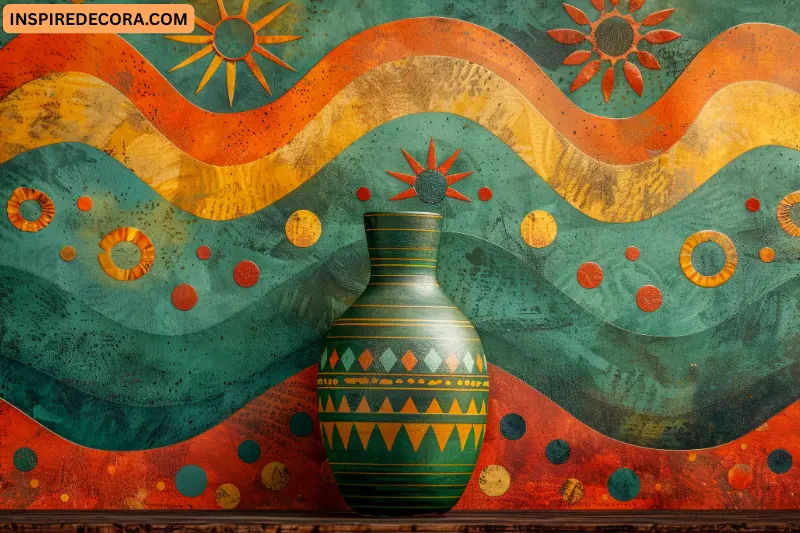
Walls are often the most underused part of a room, yet they offer the biggest opportunity for transformation. In Indian home decor, walls are not just backgrounds—they’re focal points.
You can hang mandala art, vibrant tapestries, or even wooden carved panels to instantly add depth and character. Ethnic wall plates and decorative mirrors also work beautifully to create a layered look. The best part is that you don’t need to replace your furniture—just upgrading your walls can completely change the feel of your space.
This simple step creates a strong visual impact with minimal effort.
2. Use Warm and Earthy Colors
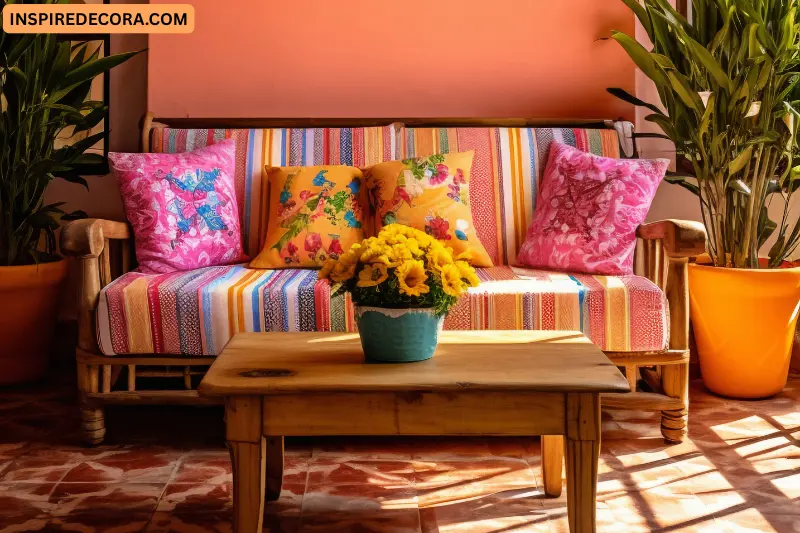
Color plays a powerful role in Indian home decor. Warm and earthy tones help create a cozy, welcoming environment that feels both lively and comfortable.
Shades like terracotta, mustard yellow, deep red, and olive green are commonly used because they bring warmth without overwhelming the space. You don’t have to repaint your entire home—adding these colors through cushions, throws, or decor pieces can make a noticeable difference.
The right colors can instantly make your home feel more inviting and connected.
3. Decorate with Traditional Textiles
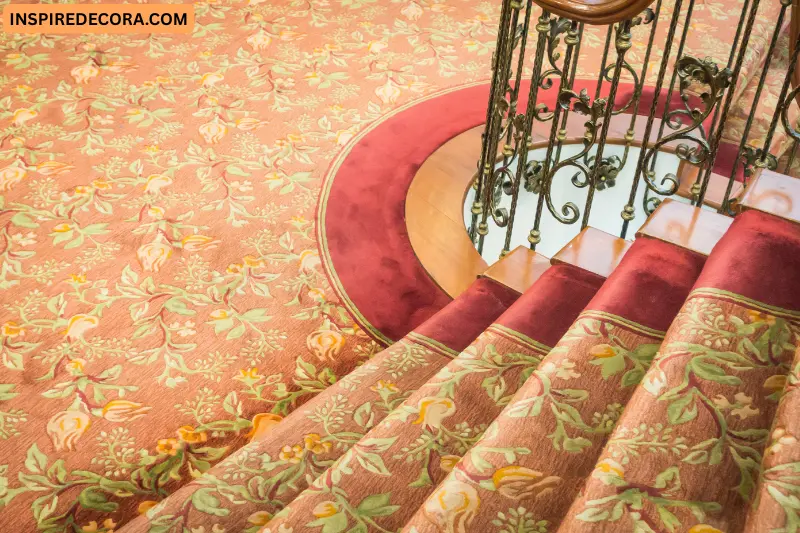
Textiles are one of the easiest ways to introduce Indian home decor into any room. They add softness, texture, and visual interest without requiring major changes.
You can use block-printed cushion covers, handwoven rugs, or colorful curtains to bring life into your space. These elements not only enhance the design but also reflect cultural craftsmanship. Just be mindful when mixing patterns—keeping a balance will help avoid a cluttered look.
Thoughtfully chosen textiles can transform even the simplest room.
4. Bring in Brass and Metal Accents
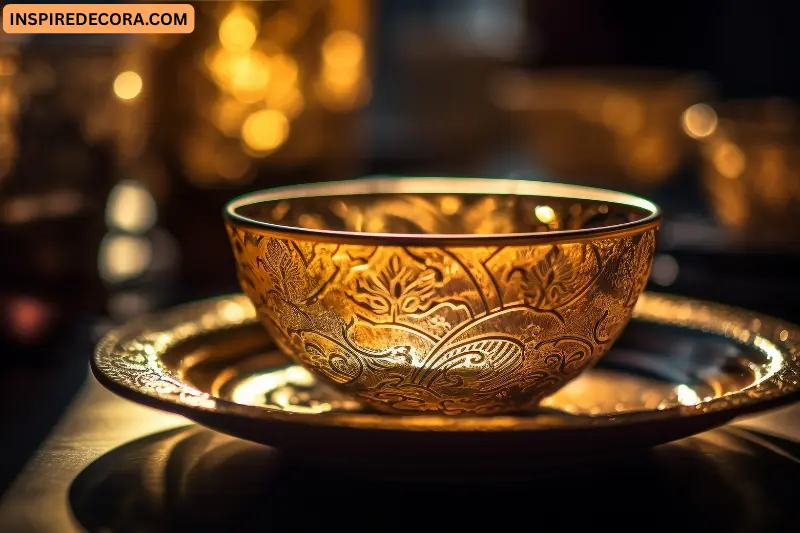
Metal accents are a signature element of Indian home decor, known for adding elegance and a timeless touch. Brass, in particular, works beautifully in both traditional and modern settings.
Incorporate items like diyas, decorative trays, or candle holders to create subtle highlights around your home. These pieces reflect light and add a warm glow, making your space feel more refined without being overwhelming.
Even small metallic details can elevate your overall decor.
5. Create a Cozy Floor Seating Area
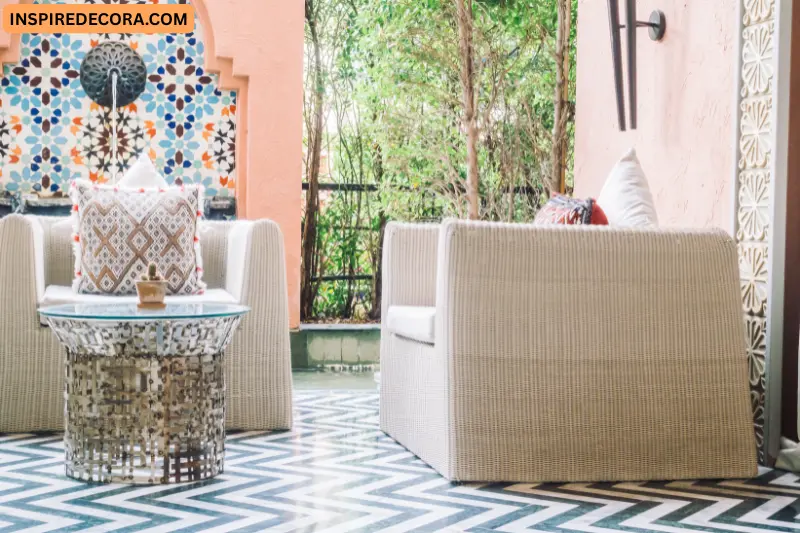
A floor seating setup is a classic feature in Indian home decor that combines comfort with style. It’s especially useful for smaller homes or for creating a relaxed, informal vibe.
Use soft floor cushions, add a low wooden table, and layer the area with rugs to make it inviting. This setup works well for gatherings, tea time, or simply relaxing after a long day.
It’s a practical and stylish way to make your space feel more welcoming.
6. Add Indoor Plants with Ethnic Pots
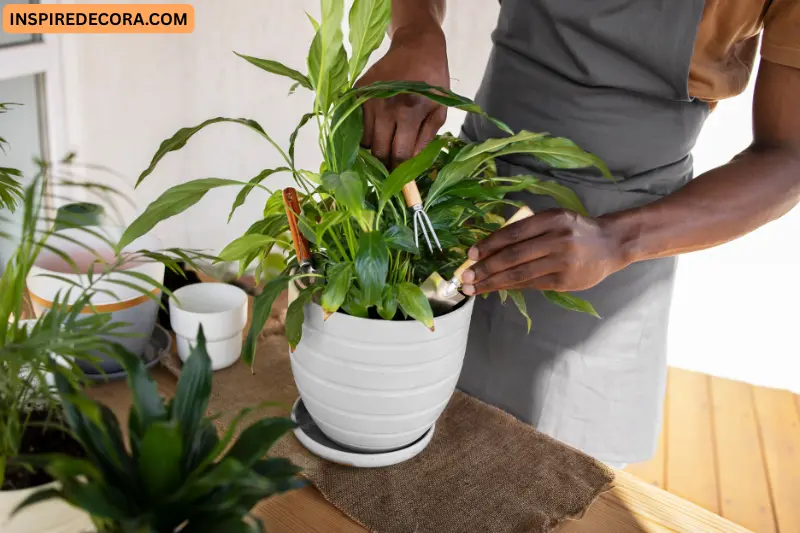
Plants are a natural fit for Indian home decor because they bring freshness and balance into the space. When paired with traditional pots, they also enhance the overall aesthetic.
Terracotta pots, hand-painted planters, or even wooden stands can make your greenery stand out. The combination of natural elements and ethnic design creates a calm and refreshing atmosphere.
This idea blends nature with tradition in a simple yet effective way.
7. Highlight Your Entryway
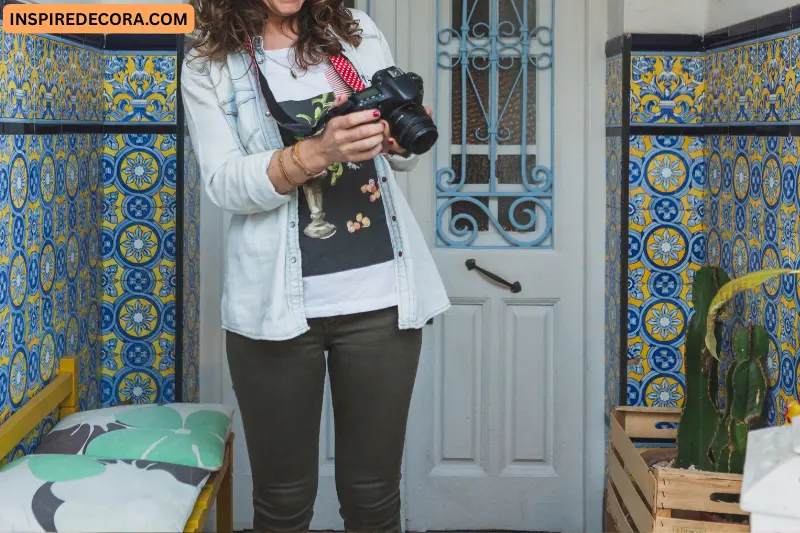
Your entryway is the first thing people notice, so it deserves special attention. In Indian home decor, entrances are often designed to feel warm and welcoming.
You can add a simple rangoli design, place a decorative console table, or hang a mirror or artwork to enhance the space. Even small details here can leave a lasting impression.
A well-designed entryway sets the tone for the entire home.
8. Mix Modern and Traditional Styles
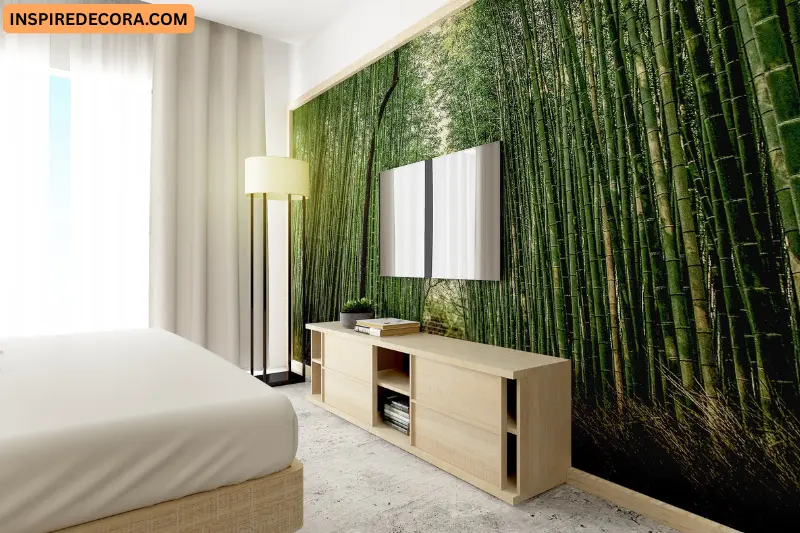
One of the best things about Indian home decor is its flexibility. You don’t have to stick to a fully traditional look—you can easily mix it with modern elements.
For example, pairing a modern sofa with ethnic cushions or adding bold decor pieces to a minimalist room creates a balanced and stylish appearance. This blend keeps your home looking fresh while still honoring cultural roots.
Mixing styles helps you create a unique and personalized space.
9. Use Soft Lighting for Ambience
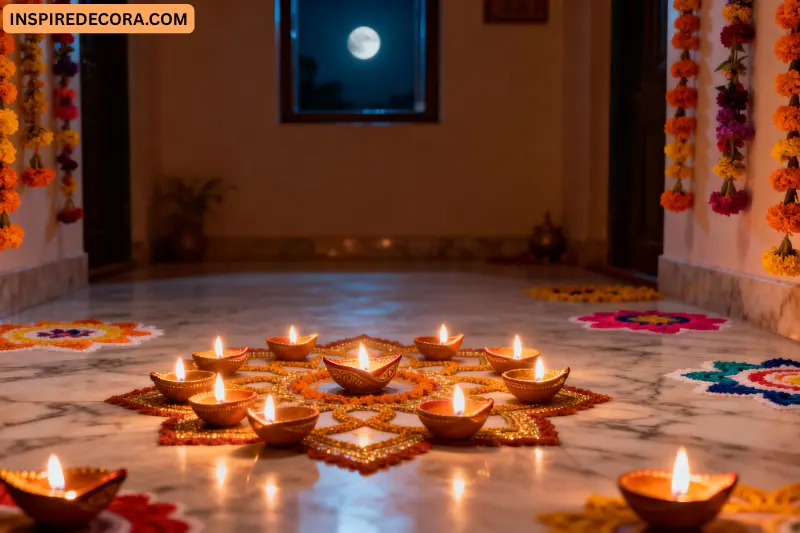
Lighting can completely change how your home feels, yet it’s often overlooked. In Indian home decor, soft and warm lighting is key to creating a peaceful atmosphere.
You can use string lights, lanterns, or diyas to add a gentle glow to your rooms. This type of lighting works especially well in the evenings, making your home feel calm and cozy.
The right lighting turns a simple space into a relaxing retreat.
10. Add Personal Cultural Touches
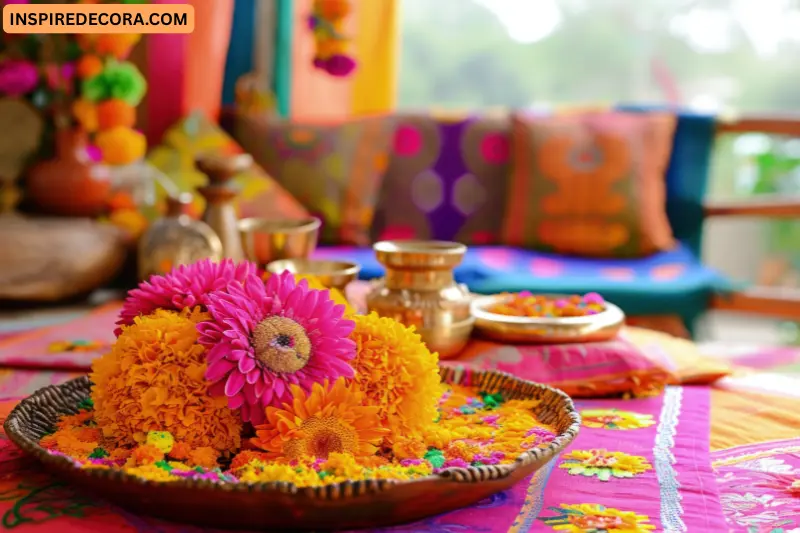
The most meaningful part of Indian home decor is the personal touch. Adding items that reflect your story makes your home truly special.
This could include family heirlooms, handmade crafts, or souvenirs from your travels. These pieces not only enhance your decor but also create an emotional connection with your space.
Personal elements make your home feel authentic and one of a kind.
Budget-Friendly Indian Home Decor Tips
Creating a beautiful home doesn’t have to be expensive. One of the best things about Indian home decor is that it naturally supports creativity, DIY ideas, and the use of locally available materials. With a little planning and smart choices, you can design a stylish space without overspending.
Start by focusing on one room at a time instead of trying to decorate your entire home at once. This makes the process more manageable and helps you give proper attention to detail. Even small changes in a single room can create a noticeable impact and motivate you to continue.
DIY decor is another great way to save money while adding a personal touch. Simple ideas like painting terracotta pots, creating your own wall art, or reusing old jars as decorative pieces can instantly enhance your space. These handmade elements fit perfectly into Indian home decor because they reflect creativity and individuality.
Shopping from local markets or artisans is both budget-friendly and meaningful. You’ll often find unique, handcrafted items at lower prices compared to large stores. Plus, these pieces bring authenticity and cultural richness into your home, which is a key part of Indian decor style.
Finally, don’t overlook what you already have. Repurposing old furniture with new fabric, polish, or paint can completely transform its look. For example, adding a vibrant block-print cover to an old chair or updating cushions can give your space a fresh and updated feel without major expenses.
Room-by-Room Indian Decor Guide
Designing each space with intention is the key to making Indian home decor feel balanced and practical. Instead of decorating randomly, it helps to focus on the purpose of each room while adding cultural elements that enhance both style and comfort.
Living Room
The living room is where style meets functionality, making it the heart of Indian home decor. This space should feel welcoming, comfortable, and visually appealing at the same time.
Start with statement cushions and rugs to instantly add color and texture. These elements can transform even a simple sofa into a vibrant focal point. Layering different fabrics—like cotton, silk, or handwoven materials—adds depth without making the space feel crowded.
Wall art and lighting play a major role here. You can use traditional artwork, mirrors, or wooden panels to give your walls character. Pair this with warm lighting such as lamps or lanterns to create a cozy atmosphere, especially in the evenings.
The key is to maintain a balance between comfort and style. Avoid overloading the room with too many decorative pieces—choose a few standout items that reflect the essence of Indian home decor while keeping the space functional.
Bedroom
The bedroom should feel calm, restful, and personal. In Indian home decor, this is achieved by using soft colors and simple, meaningful elements.
Opt for warm and soothing shades like beige, soft yellow, or muted earthy tones. These colors help create a peaceful environment that promotes relaxation. Instead of heavy decoration, focus on textiles such as ethnic bedsheets, quilts, and throws to bring in subtle patterns and cultural charm.
Keeping the decor minimal is important here. A clutter-free space with a few carefully chosen items—like a bedside lamp, a small piece of artwork, or a decorative cushion—can make the room feel both elegant and comfortable.
Kitchen
The kitchen in Indian home decor is not just functional—it can also be visually appealing with the right touches. The goal is to keep it simple while adding elements that reflect tradition.
Using copper or brass utensils as display pieces is a great way to combine utility with style. These items add a warm, authentic feel to the space while also being practical. You can also include small plants or organized spice racks to bring freshness and structure into the kitchen.
At the same time, avoid overcrowding. A clean and well-organized kitchen not only looks better but also makes daily tasks easier. Focus on functionality first, then enhance it with subtle decorative details.
Common Mistakes to Avoid
Even the most beautiful ideas can fall flat if they’re not used thoughtfully. While Indian home decor is known for its richness and detail, the key to making it work is balance. Avoiding a few common mistakes can help you create a space that feels stylish rather than overwhelming.
One of the biggest mistakes is overcrowding your space with too many decorative items. It’s tempting to display everything at once, especially with so many beautiful pieces available, but this can make your home feel cluttered and chaotic. Instead, choose a few standout elements and let them shine.
Another common issue is mixing too many colors without a clear plan. Indian home decor does celebrate bold and vibrant tones, but they still need to work together. Without harmony, the space can feel visually tiring. Sticking to a consistent color palette and adding contrast carefully will create a more polished look.
Lighting is often overlooked, yet it plays a huge role in how your decor is perceived. A well-decorated room can lose its charm if the lighting is too harsh or too dim. Soft, warm lighting enhances the beauty of colors, textures, and materials commonly used in Indian home decor.
Finally, copying styles without considering your own space can lead to disappointing results. What looks good in a large home or online image may not suit your room size or layout. It’s important to adapt ideas to your needs, keeping both functionality and comfort in mind.
FAQs About Indian Home Decor
What is Indian home decor?
Indian home decor is a style that combines traditional elements, vibrant colors, natural materials, and handcrafted items to create a warm and culturally rich living space.
How can I start decorating my home in Indian style?
Start small by adding elements like cushions, wall art, or lighting. Gradually introduce more Indian home decor pieces to avoid overwhelming your space.
What colors are best for Indian home decor?
Warm and earthy tones like red, mustard yellow, orange, gold, and brown work best. These colors create a cozy and inviting atmosphere.
Can I mix modern and Indian home decor styles?
Yes, mixing modern and traditional elements is very popular. It helps create a balanced, stylish, and personalized look.
Is Indian home decor suitable for small homes?
Absolutely. You can use space-saving ideas like wall decor, light textiles, and minimal furniture to achieve the look without overcrowding.
What materials are commonly used in Indian home decor?
Common materials include wood, brass, clay, cotton, and silk. These add texture and authenticity to your home.
How can I decorate my home on a budget?
You can use DIY decor, shop from local markets, and repurpose old furniture. Indian home decor works well with affordable and handmade items.
What type of lighting works best for Indian home decor?
Soft and warm lighting like lamps, lanterns, and diyas creates a cozy and relaxing environment.
How do I avoid making my decor look cluttered?
Focus on balance. Use a limited number of colors and decor items, and give each piece enough space to stand out.
What are must-have items in Indian home decor?
Some essentials include ethnic textiles, wall art, brass decor pieces, rugs, and indoor plants to complete the look.
Final Thoughts on Indian Home Decor
Indian home decor is all about creating a space that feels warm, stylish, and full of meaning. It’s not about following strict design rules—it’s about finding the right balance between colors, textures, and personal elements that make your home feel truly yours. When done thoughtfully, Indian home decor can turn even a simple space into something inviting and visually rich.
The beauty of this style lies in its flexibility. You can start small by adding a few cultural touches like textiles, lighting, or wall art, and then slowly build your space over time. There’s no need to rush or overspend—experiment with different elements and see what works best for your home and lifestyle.
In the end, the goal is to create a home that reflects your personality and culture while still being comfortable and functional. With the right approach, Indian home decor helps you design a space that not only looks beautiful but also feels deeply connected and welcoming.