Growing your own tomatoes can be one of the most satisfying parts of gardening, but it also comes with a few challenges along the way. Many beginners struggle with weak plants, yellow leaves, or disappointing harvests without realizing that a few simple tomato gardening tips can completely change the results. The good news is that healthier, tastier tomatoes are easier to grow than most people think.
Whether you have a large backyard garden or a few containers on a balcony, the right tomato gardening tips can help your plants thrive throughout the season. From choosing the best varieties to watering correctly and preventing common diseases, small improvements often lead to much bigger harvests. Once you understand what tomato plants truly need, gardening becomes far less stressful and much more rewarding.
One of the best things about learning practical tomato gardening tips is that they work for gardeners at every skill level. You do not need expensive equipment or years of experience to grow juicy, flavorful tomatoes at home. In this guide, you will discover easy techniques, expert secrets, and smart growing methods that many gardeners overlook but can make a huge difference in your success.
Choose the Right Tomato Variety
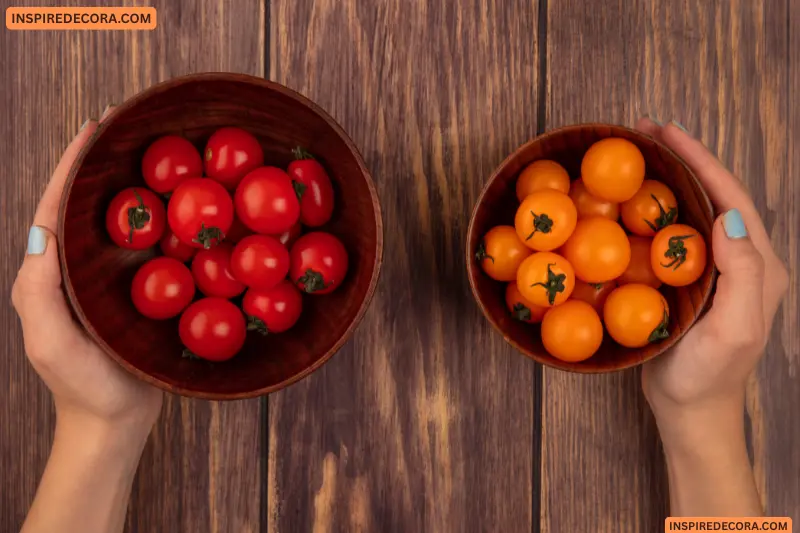
One of the biggest mistakes gardeners make is planting the wrong tomato variety for their space or climate. Some tomatoes grow into large vines that need heavy support, while others stay compact and work well in containers.
Determinate tomatoes are bush-style plants that grow to a certain size and produce fruit over a shorter period. These are excellent for smaller gardens and people who want tomatoes for sauces or canning. Indeterminate tomatoes continue growing and producing until frost arrives, making them ideal for gardeners who want a long harvest season.
If you are a beginner, cherry tomatoes are often the easiest option. They grow quickly, produce heavily, and are usually more forgiving than larger varieties.
Give Tomatoes Plenty of Sunlight
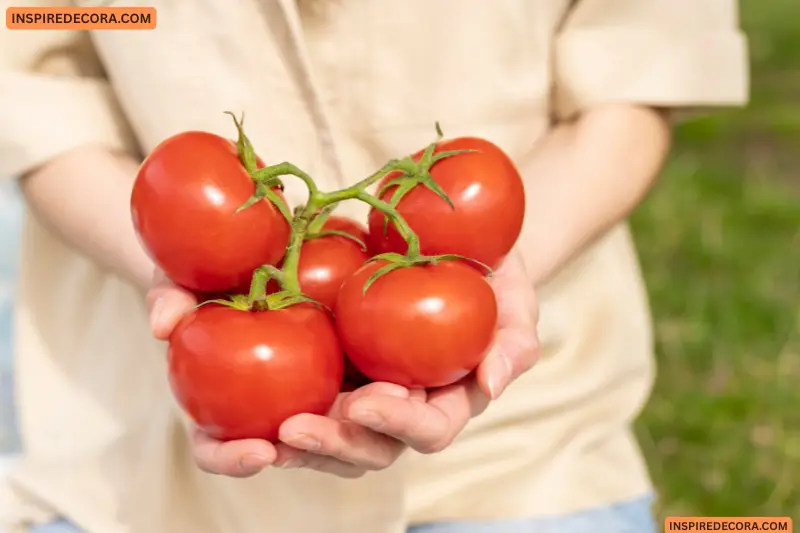
Tomatoes love warmth and sunlight. Plants grown in shady areas often become weak and produce fewer fruits.
For the best results, choose a location that receives at least six to eight hours of direct sunlight daily. Morning sun is especially helpful because it dries moisture from leaves early in the day, reducing the chance of fungal diseases.
If summers in your region become extremely hot, a little afternoon shade can help prevent heat stress and blossom drop.
Start With Healthy Soil
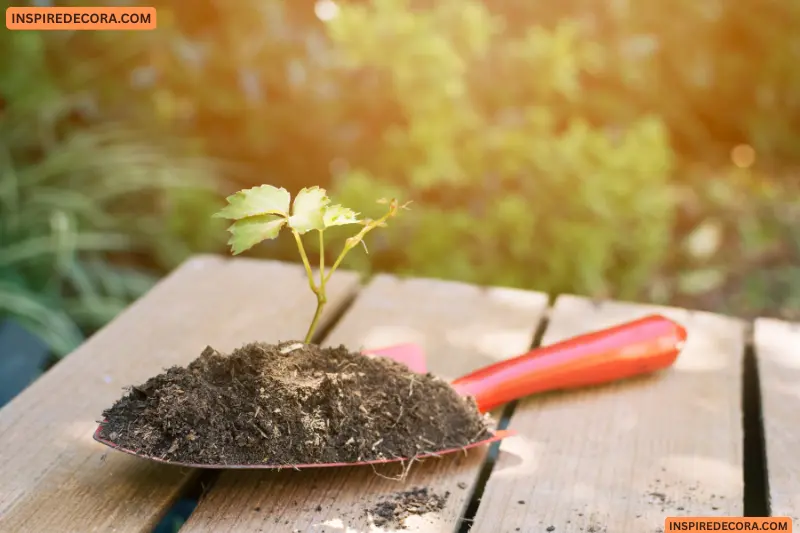
Healthy soil is the foundation of productive tomato plants. Tomatoes grow best in loose, nutrient-rich soil that drains well while still holding enough moisture for the roots.
Before planting, mix compost or aged organic matter into the soil. This improves both fertility and soil structure. Tomatoes also prefer slightly acidic soil with a pH between 6.0 and 6.8.
Avoid planting in compacted or waterlogged soil because poor drainage can quickly lead to root diseases and stunted growth.
Plant Tomatoes Deeply
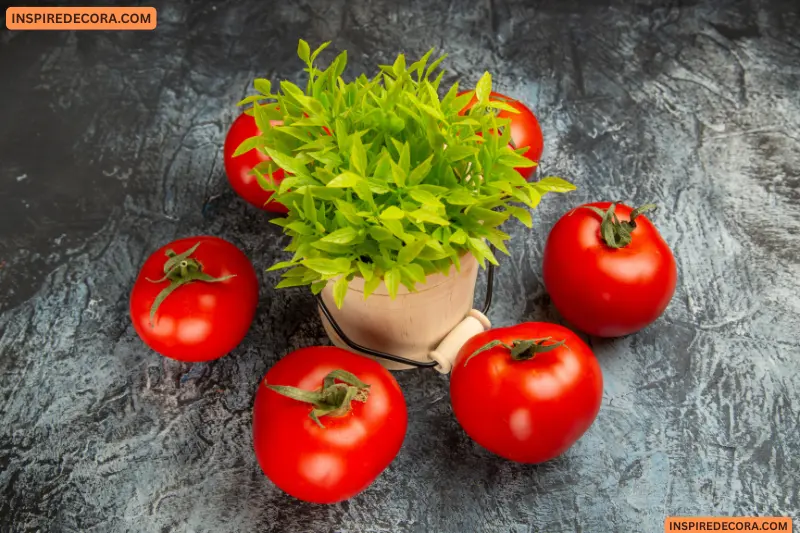
Unlike most vegetables, tomatoes can grow roots along buried stems. Planting deeply helps create a larger and stronger root system.
Remove the lower leaves from the seedling and bury most of the stem under the soil, leaving only the top leaves above ground. This simple method helps plants absorb more nutrients and water while improving stability during storms and windy weather.
Deep planting is one of the easiest ways to grow stronger tomato plants naturally.
Water Consistently
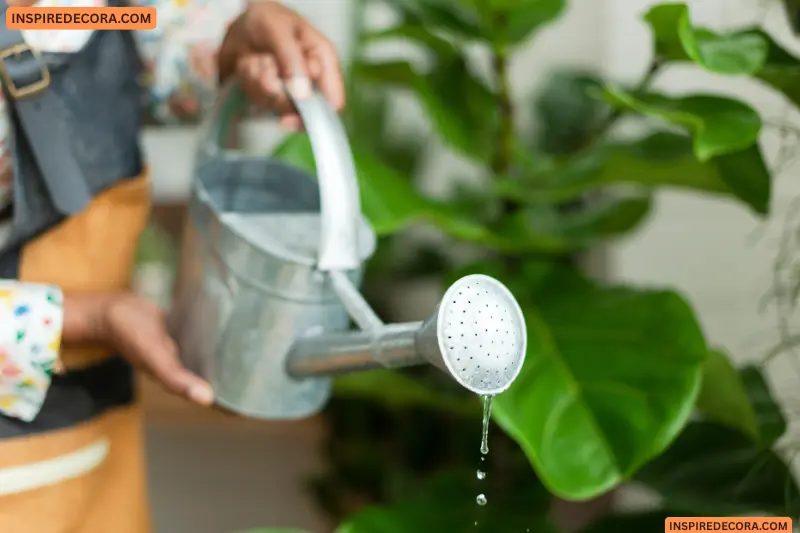
Inconsistent watering is responsible for many common tomato problems. Cracked fruits, blossom end rot, and curled leaves often develop when plants alternate between very dry and overly wet conditions.
Tomatoes prefer deep watering a few times each week instead of light watering every day. Water slowly at the base of the plant so moisture reaches the roots properly. Keeping the leaves dry also helps prevent fungal diseases.
Mulching around plants helps the soil stay evenly moist and reduces watering stress during hot weather.
Mulch to Protect Plants
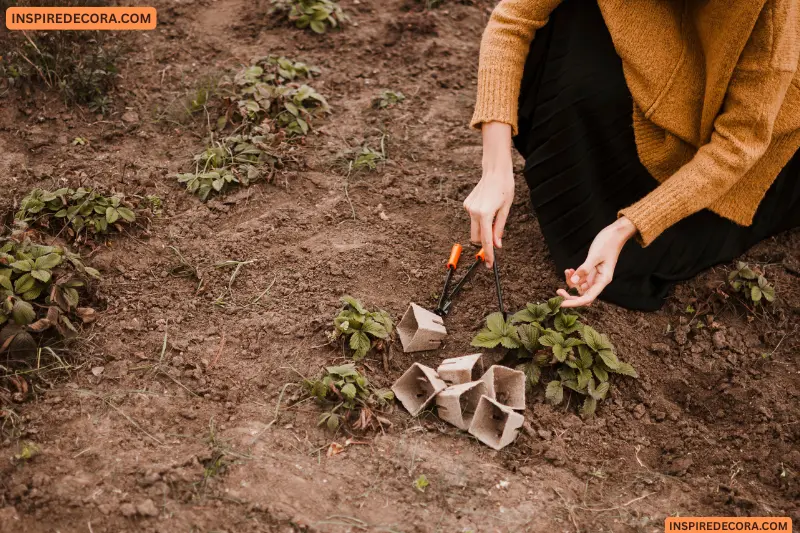
Mulch is one of the most effective yet overlooked tomato gardening tips. A layer of mulch helps conserve moisture, reduce weeds, and stop soil from splashing onto leaves during rainstorms.
Organic mulches such as straw, shredded leaves, compost, or grass clippings work very well around tomatoes. Besides protecting plants, these materials slowly improve soil quality over time.
Applying mulch early in the season also helps reduce temperature fluctuations around the roots.
Support Plants Early
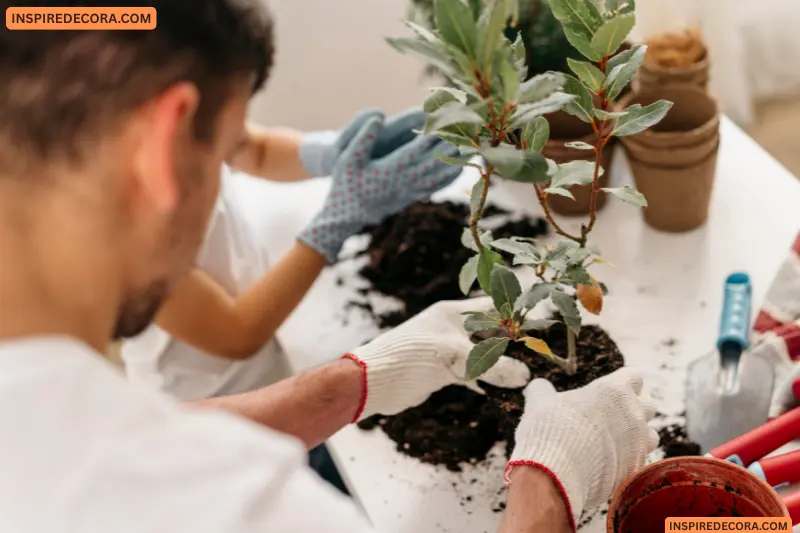
Tomato plants become surprisingly heavy once fruits begin developing. Without proper support, stems can bend, break, or rest on the ground where diseases spread more easily.
Tomato cages are popular for beginners because they are simple to use. Stakes and trellises also work well, especially for larger indeterminate varieties.
Installing supports immediately after planting is important because waiting too long can damage roots later in the season.
Prune for Better Airflow
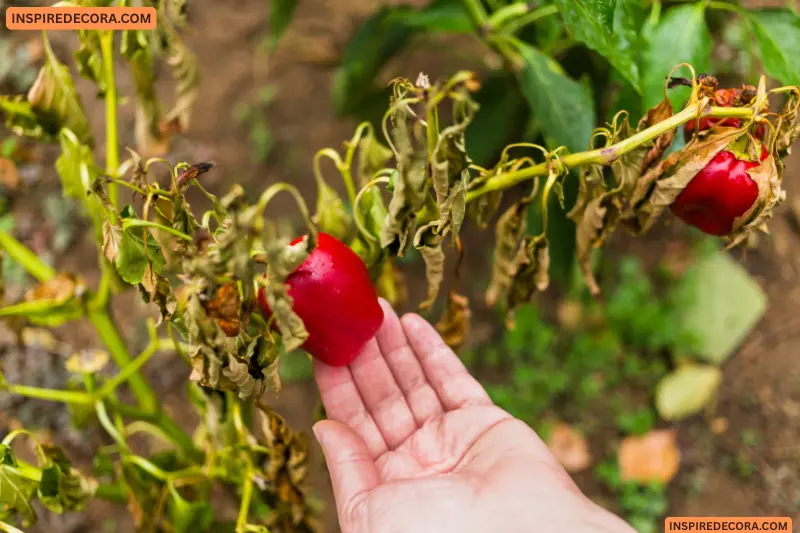
Pruning Tomato Gardening Tips plants improves airflow and helps reduce disease problems, especially in humid climates. Removing lower leaves prevents soil-borne diseases from splashing onto the plant during watering or rainfall.
Indeterminate tomatoes benefit most from pruning because they continue growing throughout the season. Removing small “suckers” between stems allows the plant to focus more energy on fruit production rather than excessive leafy growth.
However, determinate tomatoes should only be lightly pruned because heavy pruning may reduce harvest size.
Feed Tomatoes the Right Way
Tomato Gardening Tips are heavy feeders and need regular nutrients to stay productive. Compost added at planting time gives plants a strong start, but additional feeding during the season keeps growth healthy.
Balanced fertilizers work best during early growth stages. Once flowering begins, tomatoes benefit from fertilizers higher in phosphorus and potassium to encourage fruit development.
Using too much nitrogen is a common mistake because it produces large leafy plants with fewer tomatoes.
Prevent Common Tomato Problems
Healthy tomato plants are much easier to maintain than stressed plants. Most diseases and pest problems can be reduced through proper spacing, consistent watering, and regular garden monitoring.
Blossom end rot usually appears as dark spots on the bottom of tomatoes and is often linked to irregular watering. Yellow leaves can result from overwatering, nutrient deficiencies, or fungal issues. Cracked tomatoes are commonly caused by sudden heavy watering after dry conditions.
Checking plants regularly allows you to spot problems early before they spread throughout the garden.
Companion Plants Can Help
Certain companion plants naturally support tomato growth and may help repel pests. Basil, marigolds, garlic, and onions are popular choices often planted near tomatoes.
Basil is especially loved by gardeners because it may help improve flavor while attracting beneficial insects. Marigolds are useful for reducing harmful pests around vegetable gardens.
At the same time, tomatoes should be kept away from crops like potatoes and corn because they can share diseases and pests.
Grow Better Tomatoes in Containers
Tomato Gardening Tips can grow successfully in containers if given enough space and proper care. Use containers at least five gallons in size with drainage holes at the bottom.
Container tomatoes usually require more frequent watering because pots dry out faster than garden soil. Choosing compact or determinate varieties makes container gardening much easier for beginners.
Using high-quality potting mix instead of regular garden soil also improves drainage and root health significantly.
Harvest at the Right Time
Tomatoes develop their best flavor when allowed to ripen naturally on the vine. Fully ripe tomatoes should have rich color and feel slightly soft when gently squeezed.
If frost or bad weather approaches, slightly underripe tomatoes can continue ripening indoors on a kitchen counter. Avoid refrigerating fresh tomatoes whenever possible because cold temperatures reduce flavor and texture.
Regular harvesting also encourages plants to continue producing new fruit.
Tomato Gardening Tips Most Gardeners Ignore
Many gardeners focus only on watering and fertilizing while overlooking smaller details that greatly improve harvest quality.
Rotating tomato crops each year helps reduce soil diseases and pest buildup. Gently shaking flowering branches can improve pollination and fruit production. During extreme summer heat, temporary shade cloth may help plants continue setting fruit when temperatures become too high.
Another overlooked tip is removing late-season flowers a few weeks before frost arrives. This allows plants to direct energy into ripening existing tomatoes instead of producing new flowers that may never mature.
FAQs About Tomato Gardening Tips
How often should I water Tomato Gardening Tips plants?
Tomato plants usually need deep watering two to three times per week. The soil should stay consistently moist but not soggy. During very hot weather, plants may require more frequent watering.
What is the best fertilizer for tomatoes?
A balanced fertilizer works well during early growth, while fertilizers higher in phosphorus and potassium are better during flowering and fruiting stages. Compost and organic fertilizers are also excellent choices.
Why are my tomato leaves turning yellow?
Yellow leaves can be caused by overwatering, underwatering, nutrient deficiencies, or fungal diseases. Checking soil moisture and improving airflow around plants often helps solve the problem.
Should I prune tomato plants?
Yes, indeterminate tomato plants benefit from pruning because it improves airflow and helps the plant focus energy on fruit production. Determinate tomatoes usually need only light pruning.
Can tomatoes grow in containers?
Yes, Tomato Gardening Tips grow very well in containers if the pots are large enough. Choose containers with good drainage and use high-quality potting soil for the best results.
How much sunlight do tomatoes need?
Tomato Gardening Tips need at least six to eight hours of direct sunlight daily. More sunlight generally leads to healthier plants and sweeter fruit.
What causes blossom end rot on tomatoes?
Blossom end rot is often caused by inconsistent watering and calcium imbalance in the plant. Keeping soil moisture steady helps prevent this common problem.
How long does it take for tomatoes to grow?
Most Tomato Gardening Tips varieties take between 60 and 90 days to produce ripe fruit after transplanting, depending on the variety and growing conditions.
Why are my tomatoes cracking?
Tomatoes usually crack when plants receive too much water after a dry period. Regular watering and mulching help maintain even moisture levels.
What are the easiest tomatoes for beginners to grow?
Cherry tomatoes are usually the easiest for beginners because they grow quickly, produce heavily, and resist many common gardening problems.
Final Thoughts
Growing Tomato Gardening Tips successfully does not require complicated methods, but it does require consistency. Healthy soil, deep watering, proper spacing, strong support, and regular monitoring are the real secrets behind productive tomato plants.
These tomato gardening tips can help beginners avoid common mistakes while giving experienced gardeners better harvests and healthier plants throughout the season. With patience and proper care, even a small garden can produce an impressive supply of fresh, flavorful tomatoes.
Once you experience the taste of truly homegrown tomatoes, it becomes easy to understand why they remain one of the world’s favorite garden crops.