Apartment gardening is no longer just a trend—it’s a smart and rewarding way to bring nature into your home, no matter how small your space is. Whether you live in a compact studio or a high-rise apartment, you can still grow fresh herbs, vegetables, and beautiful plants with the right approach.
Many beginners think apartment gardening is difficult, but the truth is the opposite. With a simple system, the right plants, and a few smart techniques, you can create a thriving indoor or balcony garden without stress.
In this guide, you’ll learn everything from basic setup to advanced strategies—plus unique tips your competitors didn’t tell you.
What is Apartment Gardening?
Apartment gardening means growing plants in small indoor spaces like rooms, windowsills, or balconies. It focuses on space-saving gardening techniques, making it perfect for urban living.
Unlike traditional gardening, apartment gardening relies on:
- Containers instead of ground soil
- Smart light management
- Efficient watering systems
- Vertical and compact setups
This makes it ideal for beginners and busy lifestyles.
The 5-Step Apartment Gardening System (Beginner-Friendly)
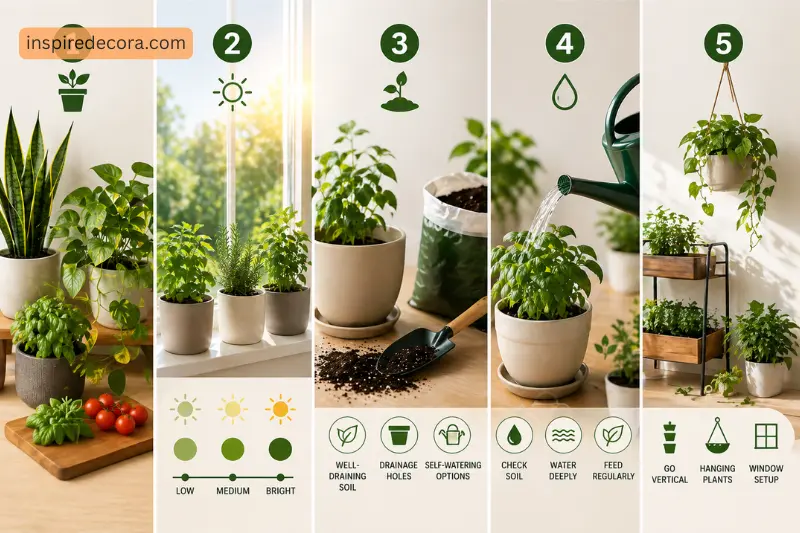
This simple system will help you succeed faster than most beginners.
1. Choose the Right Plants for Your Lifestyle
Not all plants are suitable for apartment gardening. Start with plants that match your time and effort level.
Low-maintenance: snake plant, pothos, ZZ plant
Edible plants: basil, mint, lettuce, cherry tomatoes
Fast-growing plants: microgreens, herbs
Pro Tip: If you forget watering often, choose drought-resistant plants.
2. Understand Your Light (Most Important Step)
Light is the foundation of successful apartment gardening.
Low light: north-facing windows
Medium light: east/west-facing windows
Bright light: south-facing windows
If your apartment lacks sunlight, use LED grow lights for consistent results.
3. Use the Right Soil and Containers
Healthy plants start with the right base.
Use well-draining potting mix (never garden soil)
Choose pots with drainage holes
Consider self-watering pots for convenience
This improves root health and prevents overwatering problems.
4. Water and Feed Smartly
Overwatering is the #1 mistake in apartment gardening.
Check soil before watering
Water deeply but less frequently
Use liquid fertilizer during growth season
Simple rule: If the top inch of soil is dry, it’s time to water.
5. Optimize Your Space Like a Pro
This is where you beat most beginners.
Use vertical gardening systems
Install hanging planters
Create a window garden setup
Small space doesn’t mean small results.
Build a Sustainable Apartment Gardening Routine That Actually Works
One of the biggest reasons beginners fail at apartment gardening is inconsistency. Instead of treating your plants as a one-time setup, you need to build a simple and sustainable routine that fits your daily life. Start by checking your plants once or twice a week rather than following a strict watering schedule. This allows you to understand their real needs instead of guessing. Over time, you will naturally recognize signs like drooping leaves, dry soil, or slow growth. Apartment gardening becomes much easier when you develop this observation habit because plants communicate their needs clearly if you pay attention. A consistent routine also helps prevent common problems like overwatering or neglect, making your indoor gardening system more efficient and stress-free.
Creating a Functional and Beautiful Apartment Garden Layout
A well-designed apartment gardening setup is both practical and visually appealing. Instead of randomly placing plants, think about layout and balance. Group plants with similar light and watering needs together to make maintenance easier. Use different heights—such as floor plants, shelf plants, and hanging plants—to create depth and dimension in your space. This not only improves plant health but also enhances your home’s overall aesthetic. A functional layout also ensures that every plant gets enough light and airflow, which are essential for growth. When your apartment garden is organized properly, it becomes easier to manage and more enjoyable to look at every day.
Best Plants for Apartment Gardening (By Category)
Choosing the right plants makes everything easier.
Low-Light Indoor Plants
Perfect for rooms with limited sunlight:
- Snake plant
- Pothos
- Peace lily
- ZZ plant
- 🌱 Easy Edible Plants
Great for beginners who want fresh food:
- Basil
- Mint
- Lettuce
- Green onions
Decorative Plants
Add beauty and style:
- Spider plant
- Rubber plant
- African violet
High-Yield Small Plants (Unique Tip)
These give more output in less space:
- Microgreens
- Cherry tomatoes
- Chili peppers
Turn Your Apartment Gardening Hobby into a Lifestyle

Apartment gardening is more than just growing plants—it can become a relaxing and rewarding lifestyle. Spending time with plants has been shown to reduce stress and improve mental well-being. Creating a green corner in your home can transform your living space into a calm and refreshing environment. As you gain experience, you can experiment with new plants, upgrade your setup, and even grow your own food regularly. The key is to enjoy the process rather than rushing for results. When approached with patience and curiosity, apartment gardening becomes a long-term habit that adds value to your daily life while making your home more beautiful and lively.
7 Common Apartment Gardening Mistakes (Avoid These!)
Most competitors ignore this—but it’s critical.
- Overwatering plants
- Choosing the wrong plants for your light
- Using heavy garden soil
- Ignoring drainage holes
- Placing plants in one fixed spot year-round
- Not pruning regularly
- Expecting instant results
Avoiding these mistakes can double your success rate.
The Secret to Growing More Food in Your Apartment Garden
If your goal is to grow food, then productivity matters more than decoration. The best apartment gardening strategy for high yield is to focus on plants that grow continuously rather than those that produce only once. Herbs like basil, mint, and parsley can be harvested multiple times, making them perfect for small spaces. Similarly, leafy greens like lettuce and spinach regrow quickly after cutting. Another smart approach is succession planting—planting new seeds every few weeks to ensure a constant supply of fresh produce. This method keeps your apartment garden productive year-round and maximizes output without needing extra space. With the right planning, even a small indoor garden can provide a steady source of fresh ingredients.
Apartment Gardening Setup (Budget Guide)
No one talks about cost clearly—here’s a simple breakdown:
- Low Budget ($10–$20)
- Basic pots
- Simple soil
- 1–2 plants
- Medium Budget ($50–$100)
- Multiple plants
- Quality potting mix
- Decorative planters
- Advanced Setup ($100+)
- Grow lights
- Hydroponic system
- Vertical garden setup
Start small, then upgrade gradually.
Smart Apartment Gardening Ideas (Space Hacks)
Make your apartment look modern and green.
Window Garden Setup
Use sunny windows for herbs and small plants.
Plant Shelf Styling
Combine plants with books and decor.
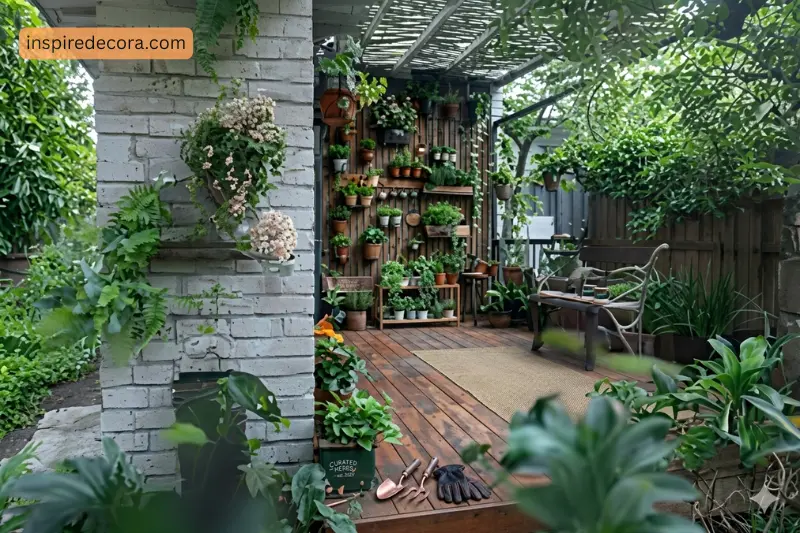
Vertical Gardening
Grow more in less space using wall planters.
Hanging Plants
Perfect for saving floor space while adding beauty.
How Long Does Apartment Gardening Take?
This is a question competitors don’t answer properly.
- Herbs: 2–4 weeks
- Leafy greens: 3–6 weeks
- Vegetables: 2–3 months
Patience is key, but results come faster than expected.
Advanced Apartment Gardening Tips (Pro Level)
Want to go beyond basics? Try these:
Use Hydroponics
Grow plants without soil using water-based systems.
Grow Microgreens
Fastest-growing plants with high nutrition.
Rotate Plants Seasonally
Move plants based on sunlight changes.
Maximize Yield
Focus on plants that grow vertically or produce continuously.
FAQs
What is apartment gardening for beginners?
Apartment gardening is growing plants in small indoor spaces using containers, proper lighting, and simple care techniques.
Which plants are best for apartment gardening?
Low-maintenance plants like pothos, snake plant, herbs, and lettuce are ideal for beginners.
How much sunlight do apartment plants need?
Most plants need 4–8 hours of light daily, depending on the type.
Can I grow vegetables in an apartment?
Yes, you can grow vegetables like tomatoes, lettuce, and herbs indoors or on balconies.
How often should I water indoor plants?
Water only when the top soil feels dry to avoid overwatering.
Is apartment gardening expensive?
No, you can start apartment gardening with a low budget and upgrade later.
What is the easiest way to start apartment gardening?
Start with a few easy plants, place them near sunlight, and follow a simple watering routine.
Conclusion
Apartment gardening proves that you don’t need a big backyard to enjoy greenery, fresh herbs, or even homegrown vegetables. With the right plants, proper lighting, smart watering, and space-saving techniques, anyone can create a thriving garden inside their apartment.
From understanding your space to avoiding common mistakes and using clever hacks like vertical setups, this guide has shown you how simple and rewarding apartment gardening can be. It’s all about starting small, staying consistent, and learning as you go.
So why wait? Pick your first plant, set up your space, and begin your apartment gardening journey today. And if you’re ready to take it further, explore more guides and tips to turn your small space into a lush, green paradise.