Starting a garden can feel overwhelming, especially when plants don’t grow as expected or pests keep coming back. That’s where organic gardening solutions make a real difference. Instead of relying on chemicals, these natural methods help you build a healthier garden from the ground up. If you’ve been searching for a better, safer way to grow plants, you’re in the right place.
Many gardeners don’t realize that small changes can lead to big results. By using the right organic gardening solutions, you can improve soil quality, boost plant growth, and reduce common problems naturally. The best part is that these methods are simple to follow and suitable for any type of garden, whether big or small.
In this guide, you’ll discover practical and proven organic gardening solutions that actually work. From improving soil to controlling pests naturally, each step is designed to make your gardening journey easier and more rewarding. Keep reading—you might be surprised how quickly your garden transforms.
What Are Organic Gardening Solutions?
Organic gardening solutions are natural techniques used to improve plant growth, soil health, and pest control without harmful chemicals. These eco-friendly gardening methods focus on long-term benefits and sustainability.
Key features include:
- Improving soil naturally
- Encouraging beneficial insects
- Reducing environmental impact
- Producing healthier, chemical-free crops
1. Improve Soil Health with Organic Matter
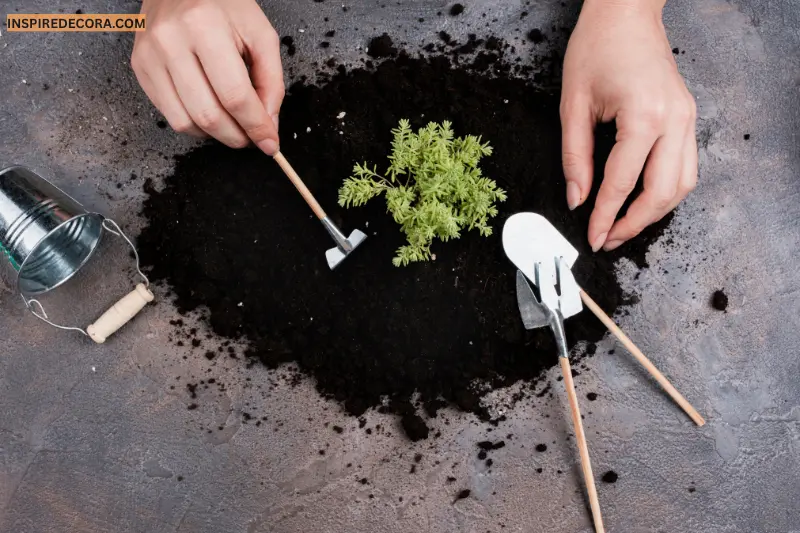
Improving soil health with organic matter is one of the most effective organic gardening solutions for strong plant growth. Adding compost, leaves, or natural waste helps enrich the soil and improves its ability to hold nutrients and moisture.
Why Soil Health Is Important
Healthy soil is the foundation of all successful organic gardening solutions. Without proper soil, plants cannot absorb nutrients effectively, leading to weak growth.
How to Improve Soil Naturally
You can enhance soil quality by adding organic matter such as compost and natural waste materials.
Helpful materials include:
- Compost
- Dry leaves
- Animal manure
- Grass clippings
Using moderate amounts is important, as too much compost can disturb nutrient balance.
2. Use Natural Fertilizers for Balanced Nutrition
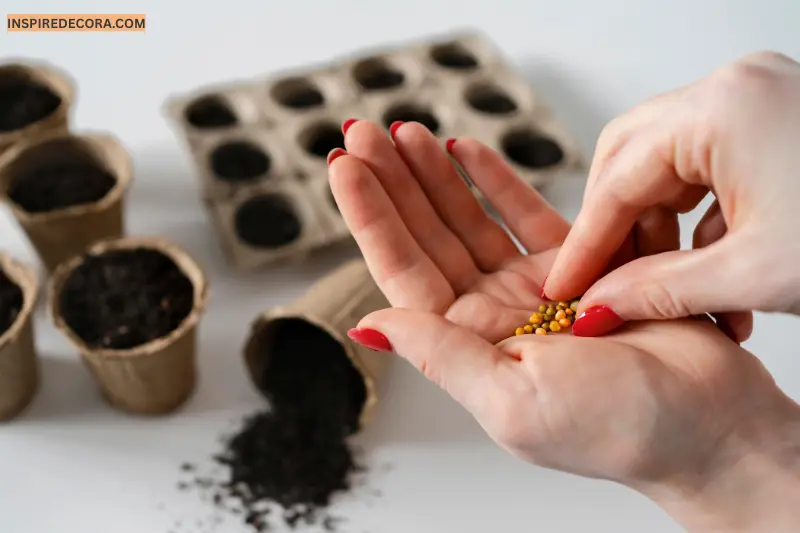
Importance of Organic Fertilizers
Plants require balanced nutrients to grow properly. One of the most effective organic gardening solutions is replacing chemical fertilizers with natural alternatives.
Effective Natural Fertilizer Options
Common organic fertilizers include:
- Compost tea
- Seaweed extract
- Fish emulsion
- Bone meal
These provide slow-release nutrients and improve soil over time. Maintaining the right balance is more important than adding excess fertilizer.
3. Boost Soil Life with Beneficial Microorganisms
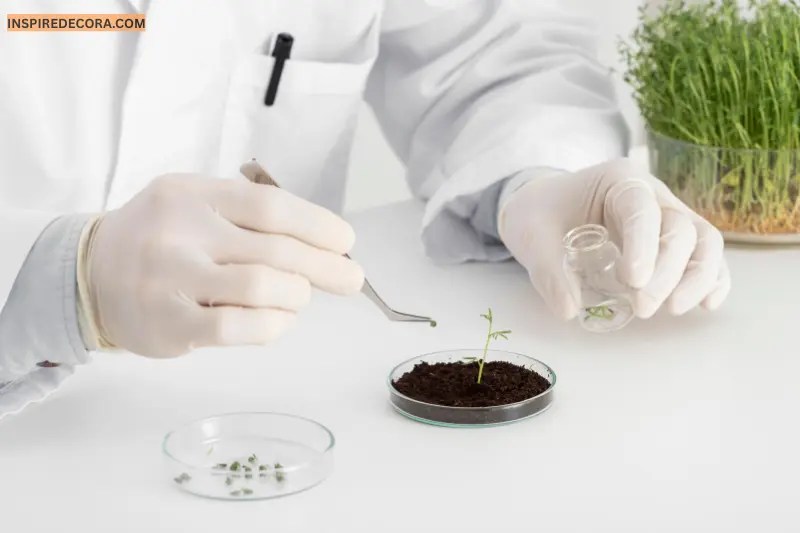
Boosting soil life with beneficial microorganisms is a key part of effective organic gardening solutions for a healthy garden. These tiny organisms break down organic matter, improve nutrient availability, and help plants grow stronger and more naturally.
Role of Soil Microorganisms
Beneficial microbes play a key role in organic gardening solutions. They help break down nutrients and support plant growth.
How to Increase Microbial Activity
You can improve soil life by:
- Adding compost regularly
- Avoiding chemical fertilizers
- Reducing soil disturbance
Healthy microorganisms also help protect plants from diseases and improve root development.
4. Control Pests Naturally Without Chemicals
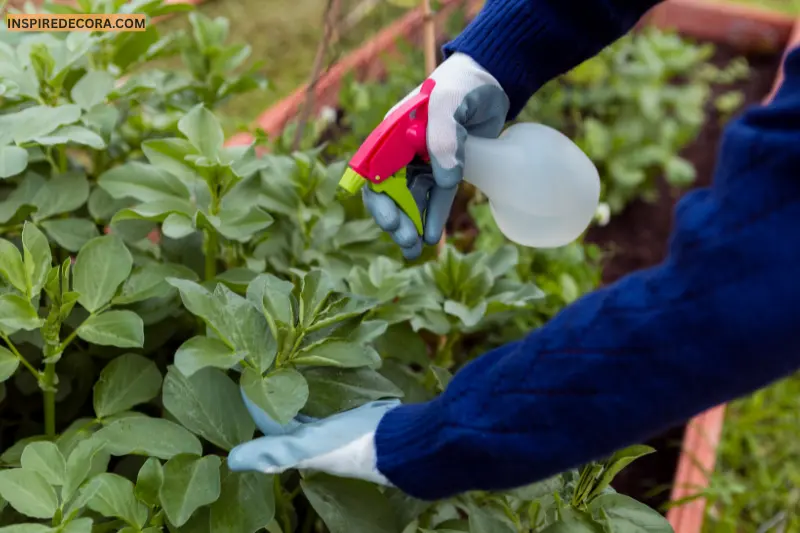
Natural Pest Prevention
Effective organic gardening solutions focus on prevention rather than elimination. Strong, healthy plants are less likely to be affected by pests.
Effective Organic Pest Control Methods
Natural pest control methods include:
- Neem oil spray
- Garlic or chili sprays
- Introducing beneficial insects like ladybugs
- Companion planting
These methods reduce pest damage without harming the environment.
5. Use Mulching to Protect and Nourish Soi
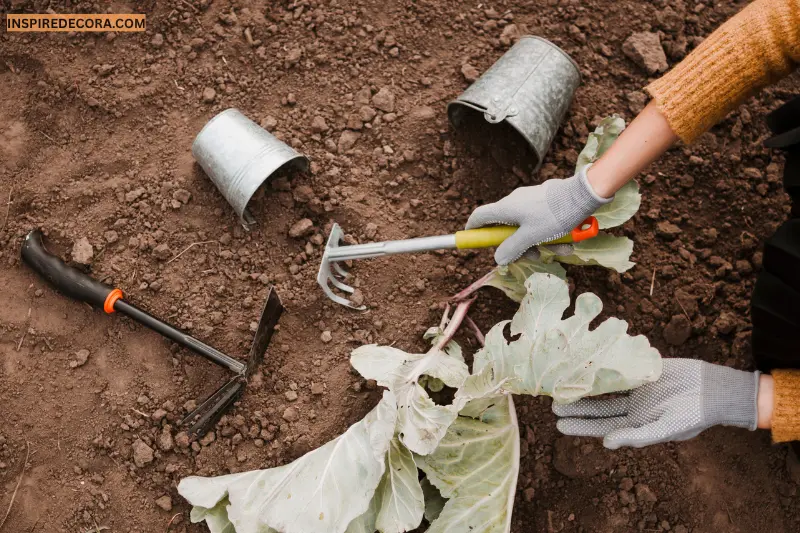
Using mulching is one of the simplest organic gardening solutions to protect and nourish soil naturally. It helps retain moisture, reduce weed growth, and slowly adds nutrients back into the soil as it breaks down.
Benefits of Mulching
Mulching is one of the simplest and most powerful organic gardening solutions. It protects soil and improves its quality over time.
Best Mulching Materials
Common mulch options include:
- Straw
- Dry leaves
- Grass clippings
Mulching helps retain moisture, prevent weeds, and regulate soil temperature. Keeping soil covered is essential for long-term soil health.
6. Choose the Right Plants for Your Environment
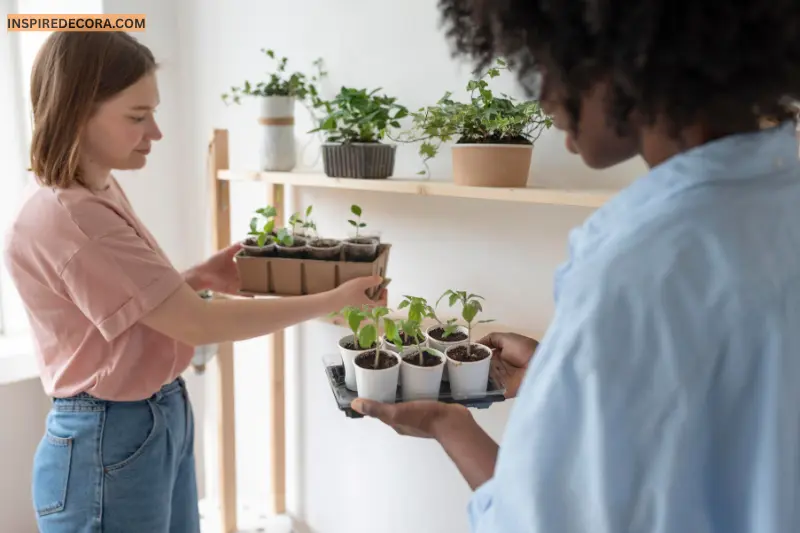
Choosing the right plants for your environment is an important part of effective organic gardening solutions for long-term success. When plants match your climate and soil conditions, they grow stronger, require less maintenance, and resist pests more naturally.
Why Plant Selection Matters
Choosing the right plants is an important part of organic gardening solutions. Plants suited to your climate grow better and require less maintenance.
How to Select Suitable Plants
Consider the following factors:
- Sunlight availability
- Soil type
- Local climate conditions
Native and well-adapted plants are more resistant to pests and diseases.
7. Apply a Holistic Gardening Approach
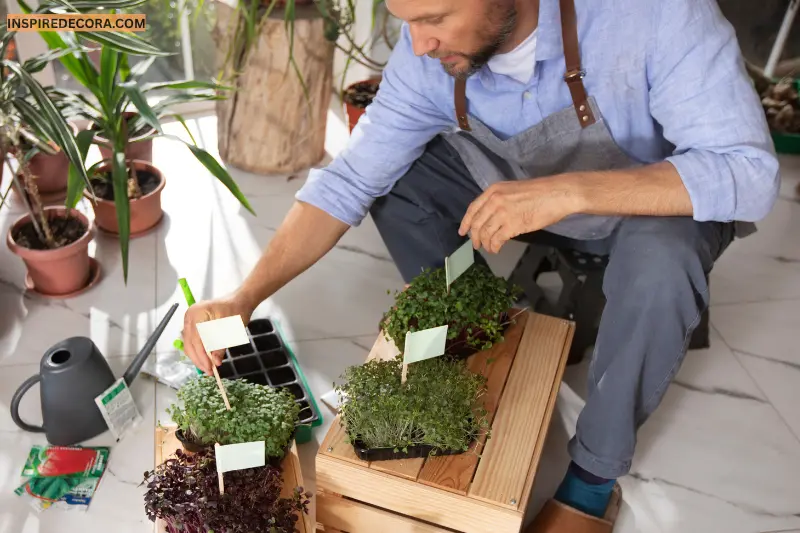
Applying a holistic gardening approach is one of the most effective organic gardening solutions for creating a balanced and healthy garden. It combines soil care, natural fertilization, pest control, and proper plant selection to work together as one system for better results.
Importance of a Combined Strategy
The best organic gardening solutions come from combining multiple methods instead of relying on one technique.
Building a Balanced System
A successful garden system includes:
- Healthy soil
- Proper nutrients
- Active microorganisms
- Natural pest control
When these elements work together, your garden becomes self-sustaining.
Common Gardening Problems and Organic Solutions
Understanding common gardening problems and organic solutions helps you fix issues without using harmful chemicals. Many plant problems like yellow leaves, slow growth, or pest attacks can be solved easily by improving soil health and using natural methods.
Yellow Leaves
Caused by nutrient imbalance or overwatering
Improve soil quality and adjust watering
Poor Plant Growth
Due to lack of nutrients or weak soil
Add compost and natural fertilizers
Pest Attacks
Caused by weak plants
Use neem oil and beneficial insects
Dry Soil
Lack of organic matter
Add mulch and compost
Mistakes to Avoid in Organic Gardening
Avoid these common mistakes when applying organic gardening solutions:
- Using too much compost
- Ignoring soil testing
- Overwatering plants
- Expecting quick results
Organic gardening requires patience but delivers long-term benefits.
Quick Tips for Better Results
Follow these tips to improve your gardening results:
- Focus on soil health first
- Observe your plants regularly
- Use seasonal planting methods
- Combine multiple organic techniques
Consistency is key to success in organic gardening.
Why Organic Gardening Is the Future
Organic gardening promotes sustainability by improving soil health and reducing pollution. It also produces healthier and safer food.
Using effective organic gardening solutions ensures long-term success and environmental benefits.
FAQs
What are organic gardening solutions?
Organic gardening solutions are natural methods used to grow plants without synthetic chemicals. They focus on improving soil health, plant growth, and pest control using eco-friendly practices.
Why are organic gardening solutions important?
They are important because they protect the environment, improve soil fertility, and produce healthier plants and food without harmful chemicals.
Can beginners use organic gardening solutions?
Yes, beginners can easily use these methods. Simple practices like composting, mulching, and natural pest control are easy to start with.
How do organic gardening solutions improve soil?
They improve soil by adding organic matter like compost and manure, which increases nutrients, improves texture, and supports beneficial microorganisms.
Are organic gardening solutions effective for pest control?
Yes, natural methods like neem oil, companion planting, and beneficial insects help control pests effectively without harming the environment.
How long do organic gardening solutions take to show results?
Results vary, but most improvements in soil and plant health become noticeable within a few weeks to a few months with consistent care.
Final Thoughts
Organic gardening is a smart way to grow healthy plants while protecting the environment. By applying the right organic gardening solutions, you can create a balanced system where plants thrive naturally.
Start with simple steps and gradually improve your methods. With time and consistency, your garden will become more productive, eco-friendly, and rewarding.