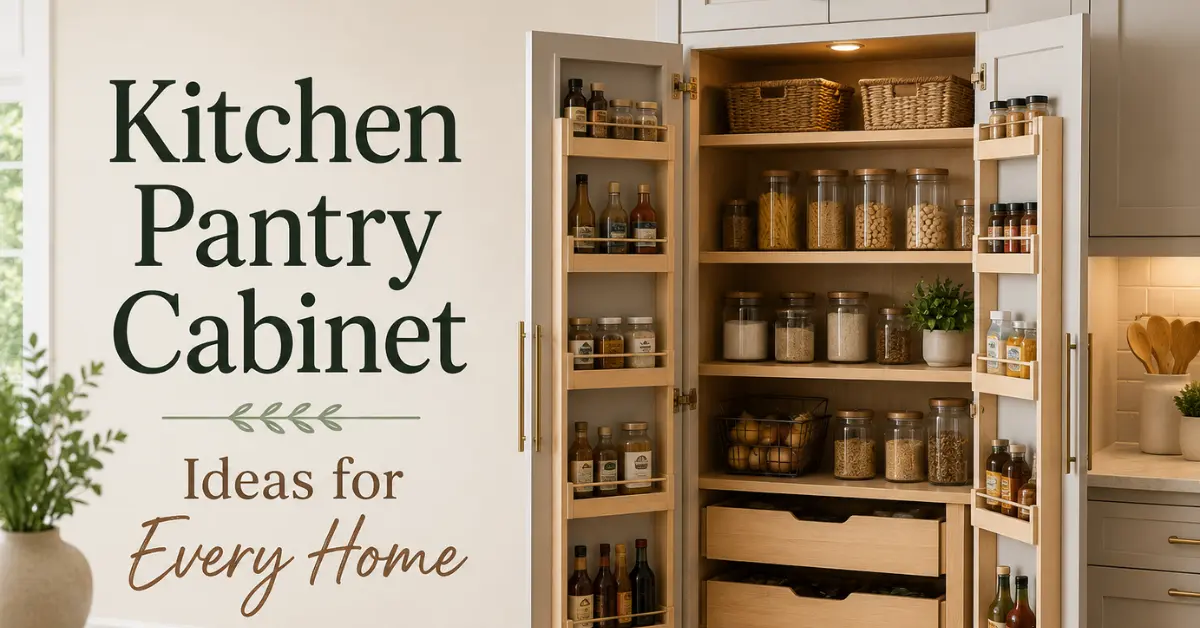
Walk into any well-designed kitchen and you will notice something right away — everything has a place. That sense of calm and order almost always comes down to one thing: a well-planned kitchen pantry cabinet.
Whether you are working with a tiny apartment kitchen or a sprawling open-plan home, the right pantry cabinet setup can completely change how your kitchen feels and functions. This guide covers everything your competitors skip — from smart cabinet types and layout hacks to lighting, accessibility, and budget tips — so you can build a pantry that truly works for your life.
What Is a Kitchen Pantry Cabinet?
A kitchen pantry cabinet is a dedicated storage unit designed to hold dry goods, canned items, small appliances, cookware, and everyday kitchen essentials. Unlike standard upper cabinets, pantry cabinets run tall — often floor to ceiling — giving you far more vertical storage space in a single footprint.
They come in many forms: freestanding units you can move around, built-in floor-to-ceiling towers, pull-out cabinet systems, and full walk-in pantry rooms. The style and type you choose depends on your kitchen size, budget, and storage needs.
Why a Kitchen Pantry Cabinet Is Worth the Investment
Most homeowners underestimate how much a pantry cabinet changes daily life. Here is what you actually gain:
- Less countertop clutter. When snacks, appliances, and dry goods have a home, your counters stay clear.
- Faster meal prep. You can find ingredients in seconds instead of digging through cluttered shelves.
- Less food waste. Organized storage means you see what you have and use it before it expires.
- Better resale value. Kitchen storage is one of the top priorities for home buyers.
- A calmer kitchen. Visual order reduces stress — especially during busy weeknight dinners.
Types of Kitchen Pantry Cabinets (And How to Choose the Right One)
This is where many guides fall short. They show you pretty pictures but never explain which cabinet type works best for which situation. Here is a clear breakdown:
1. Tall Pantry Cabinet (Floor-to-Ceiling Tower)
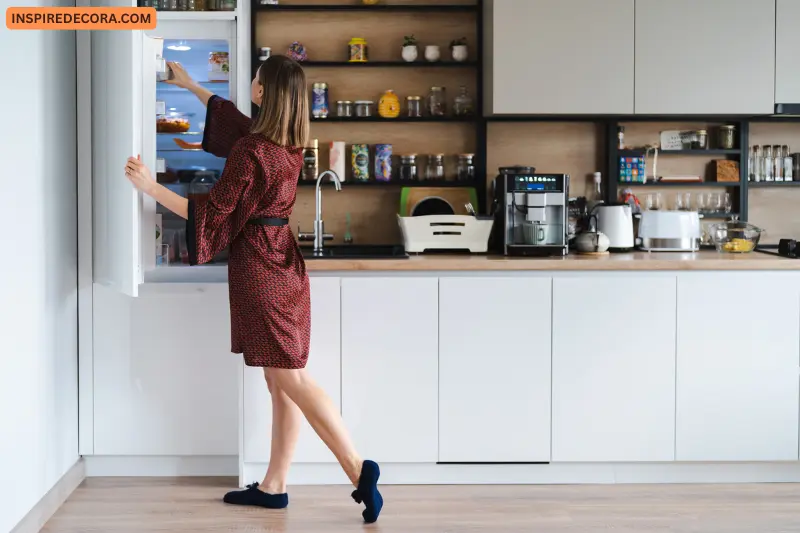
This is the classic kitchen pantry cabinet — a single tall unit, usually 84 to 96 inches high, with shelves, drawers, or pull-outs inside. It fits neatly beside your refrigerator or at the end of a cabinet run.
Best for: Kitchens with limited square footage but good ceiling height.
Tips:
- Choose adjustable shelves so you can reconfigure as your needs change.
- A depth of 14 to 24 inches handles everything from cereal boxes to stand mixers.
- Add interior lighting to make the back of deep shelves visible.
2. Pantry Pull-Out Cabinet
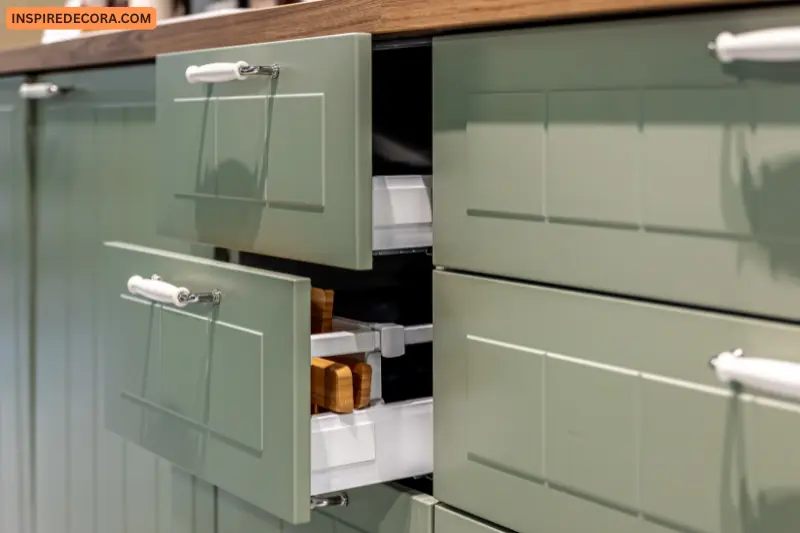
A pull-out pantry uses a narrow cabinet footprint — as slim as 6 to 12 inches wide — with rows of shelves that slide out like drawers. Every item stays visible and within easy reach.
Best for: Tight kitchens where a full pantry tower will not fit.
Tips:
- Full-extension drawer slides are a must — cheap slides cause items to tip and spill.
- Organize by category: one pull-out for canned goods, one for snacks, one for baking supplies.
3. Pantry Cabinet With Glass Doors
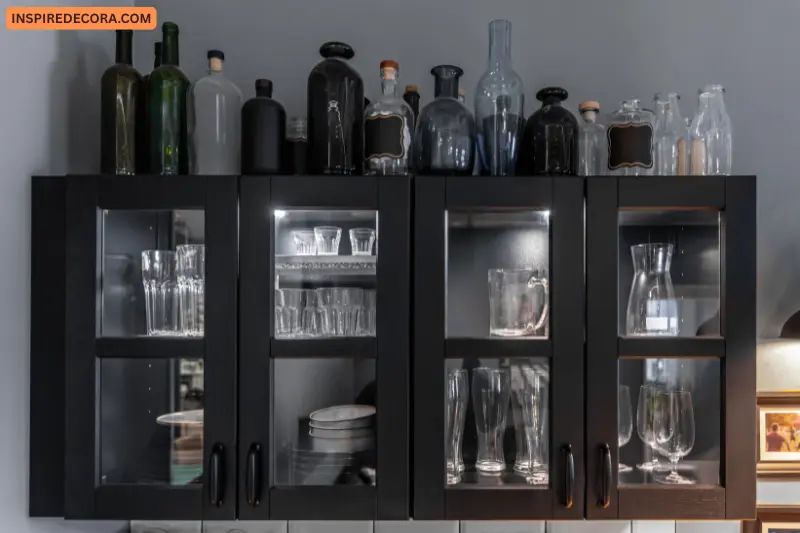
Glass-front pantry doors make your kitchen feel more open and display your organized shelves like a feature. Frosted glass gives a softer look and hides any mess behind it.
Best for: Open-plan kitchens where the pantry is a visible design element.
Tips:
- Commit to keeping the interior tidy — glass doors show everything.
- Use matching storage containers for a clean, curated look.
- Interior lighting behind glass doors creates a warm, boutique effect.
4. Freestanding Pantry Cabinet
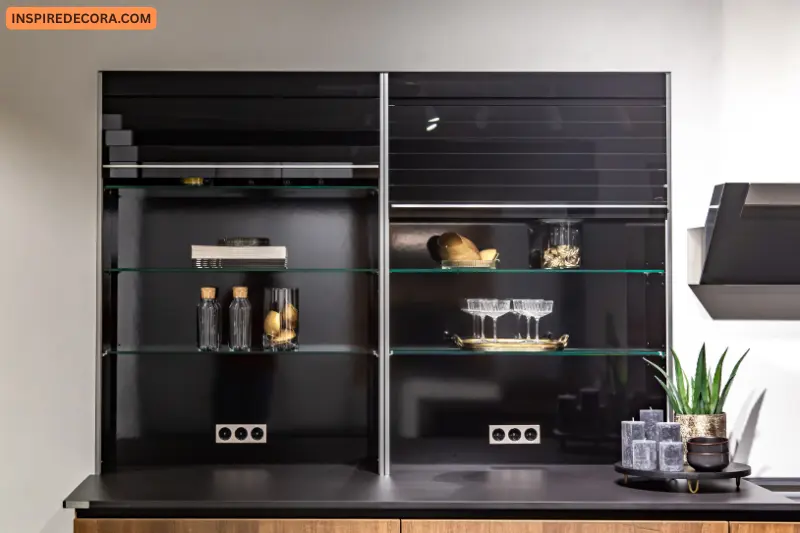
A freestanding pantry cabinet is not built into your cabinetry — it stands alone and can be moved. Many come with adjustable shelves, drawers, and doors.
Best for: Renters, older homes without existing pantry space, or kitchens undergoing a phased renovation.
Tips:
- Anchor it to the wall for safety, especially if you have children.
- Choose solid wood or MDF over particle board for durability.
5. Butler’s Pantry Cabinet
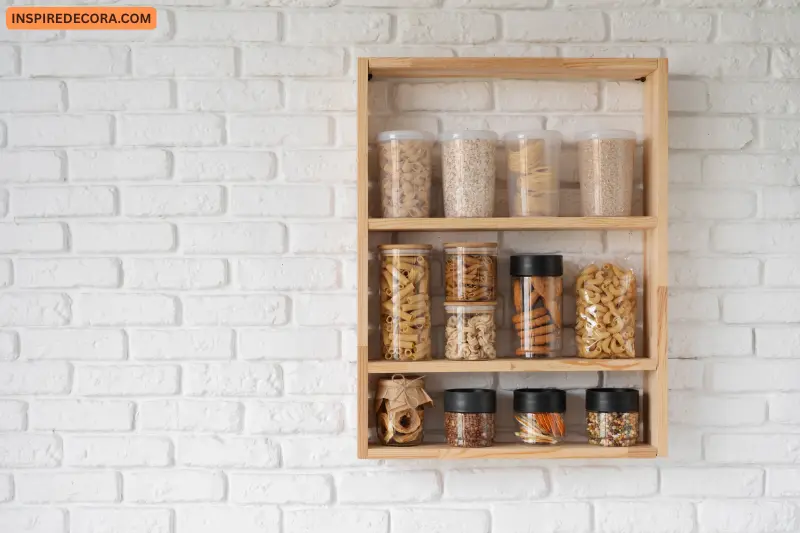
A butler’s pantry sits between the kitchen and dining room and serves as a staging area for meals and entertaining. It typically includes upper and lower cabinets, a countertop workspace, and sometimes a small sink.
Best for: Larger homes, open-plan layouts, or anyone who loves to entertain.
Tips:
- Use the counter space for a coffee station, wine storage, or extra prep area.
- Open shelving on top keeps frequently used entertaining pieces accessible.
6. Walk-In Pantry With Built-In Cabinets
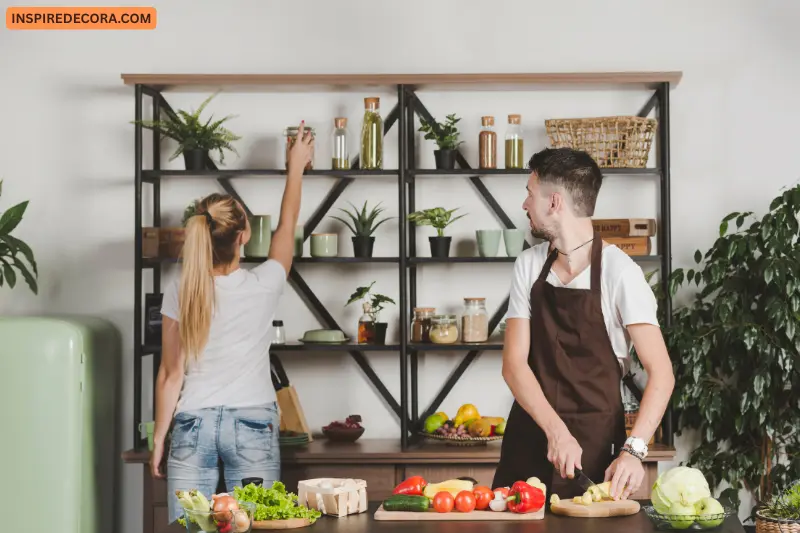
A walk-in pantry is its own room or large closet with shelving and cabinetry on multiple walls. It is the most spacious and functional option available.
Best for: Large kitchens, new builds, or full kitchen renovations with available floor space.
Tips:
- Plan the layout with a U-shape or L-shape configuration to maximize wall storage.
- Add a small countertop inside for decanting and organizing.
- Include a mix of deep shelves for appliances and shallow shelves for cans and spices.
Kitchen Pantry Cabinet Design Ideas to Inspire You
Go Floor-to-Ceiling
Do not stop your pantry cabinets at counter height. Extending them all the way to the ceiling doubles your storage. Use upper shelves for infrequently used items like holiday bakeware or large serving platters.
Add Pull-Out Drawers Inside the Cabinet
Fixed shelves leave dead space at the back. Replace or supplement them with pull-out drawers so everything slides forward within easy reach. This works especially well for heavy items like canned goods and appliances.
Create a Dedicated Appliance Garage
Reserve one section of your kitchen pantry cabinet for small appliances — toaster, blender, air fryer, coffee maker. Adding a power outlet inside the cabinet means you can use appliances without hauling them to the counter.
Use the Inside of Cabinet Doors
The back of a pantry door is prime real estate. Add shallow door-mounted racks for spices, foil, plastic wrap, or snack bars. You can find door organizers that attach without drilling.
Install Interior LED Lighting
This is one of the most overlooked kitchen pantry cabinet upgrades. Motion-activated LED strips inside your pantry make it easy to find items without squinting, and they add a premium feel. Battery-operated versions require no wiring.
Add a Chalkboard or Whiteboard Panel
Mount a small chalkboard or dry-erase panel on the inside of your pantry door or on a side wall. Use it to track what needs restocking, write out meal plans, or keep grocery lists. It is a simple touch that makes your pantry work harder.
Match Your Cabinet Finish to the Kitchen
Your pantry cabinet should feel like part of the kitchen, not an afterthought. Match the cabinet door style, hardware, and finish to the rest of your kitchen cabinetry. If you want contrast, use a complementary color — navy or forest green pantry cabinets against white kitchen cabinets look striking and intentional.
Consider Open Shelving for Part of Your Pantry
Full open shelving is hard to maintain, but a hybrid approach works beautifully. Use closed cabinet doors for messy storage and open shelves for attractive, frequently used items like cookbooks, matching canisters, and woven baskets.
What Competitors Miss: Pantry Cabinet Tips You Will Not Find Everywhere
Plan for Your Real Habits, Not Your Ideal Habits
Most pantry design advice tells you to sort everything by category and use matching containers. That works great — but only if it matches how you actually cook. If you bake once a month, do not put baking supplies on your most accessible shelf. Think about your real weekly habits and design the storage around those first.
Account for Package Sizes Before You Buy Shelves
A standard pantry shelf depth of 12 to 16 inches fits most items, but bulk buying from warehouse stores means you need deeper shelves — 18 to 24 inches — for those oversized packages. If you shop at Costco or Sam’s Club regularly, plan for this before you install.
Do Not Forget Ventilation
A closed pantry cabinet with no airflow can trap moisture, which leads to mold and faster food spoilage. If your kitchen pantry cabinet is in a corner or enclosed space, add small ventilation gaps between the back panel and the wall, or choose a cabinet with louvered doors.
Think About Accessibility for Everyone
If anyone in your household uses a wheelchair, has limited mobility, or is shorter in stature, pull-out shelves, lazy Susans, and lower cabinet placement become essential — not optional. Design your pantry so that at least 80% of its storage is reachable without a step stool.
Label Everything — Including Expiration Dates
Labeling is the difference between a pantry that stays organized and one that slides back into chaos within a month. Label shelves and containers clearly. Better yet, use a label maker and add the purchase or expiration date to transferred dry goods like flour, rice, and pasta.
Kitchen Pantry Cabinet Organization: The System That Actually Sticks
A beautiful pantry cabinet means nothing if you cannot maintain it. Here is a simple, realistic organization system:
Zone your pantry by meal type, not just food category.
- Breakfast zone: cereals, oats, coffee, tea, pancake mix
- Snack zone: bars, nuts, chips, kids’ snacks
- Cooking zone: oils, vinegars, sauces, canned goods, spices
- Baking zone: flours, sugars, baking soda, chocolate chips
- Appliance zone: small appliances with nearby power access
Use consistent containers for dry goods. Decant pasta, rice, oats, and cereals into clear airtight containers. This makes it easy to see quantities at a glance and extends shelf life.
Do a monthly pantry audit. Once a month, spend five minutes pulling anything that is expired or nearly gone to the front. Add what you need to your grocery list. This single habit prevents waste and keeps your pantry functional.
Keep a “use first” basket. Dedicate one small bin or basket at eye level for items that need to be used up soon — open packages, cans near their use-by date, or produce that came in a grocery haul. It prevents waste and makes meal planning easier.
Kitchen Pantry Cabinet Materials: What Lasts and What Does Not
Choosing the right material for your kitchen pantry cabinet makes a big difference in longevity and appearance.
- Solid wood is the most durable and premium choice. It holds up well to humidity and heavy loads, and it can be repainted over the years. It is the most expensive option.
- MDF (medium-density fiberboard) with a painted or laminate finish is the most common choice for kitchen cabinetry. It is stable, takes paint beautifully, and resists warping better than solid wood in humid environments. Great value for the price.
- Plywood box construction is preferred over particle board for the cabinet box itself. Plywood holds screws better and handles moisture and weight more reliably. When comparing cabinet quotes, always ask whether the box is plywood or particle board.
- Particle board is the most affordable but also the least durable. It swells when it gets wet and does not hold heavy loads as well. Fine for a freestanding pantry cabinet in a dry area, but avoid it for built-in installations near the sink or dishwasher.
How Much Does a Kitchen Pantry Cabinet Cost?
Costs vary widely depending on size, material, and whether it is freestanding or built-in.
- Freestanding pantry cabinet: $150 to $600 for a quality unit
- Stock tall pantry cabinet (from a home improvement store): $300 to $900 installed
- Semi-custom pantry cabinet: $800 to $2,500
- Full custom built-in pantry: $2,000 to $10,000+
- Walk-in pantry with full cabinetry: $5,000 to $20,000+ depending on size and finish
You do not need to spend a fortune. A well-chosen stock pantry cabinet from a home improvement store, combined with thoughtful interior organization, delivers excellent results at a fraction of the custom price.
Frequently Asked Questions About Kitchen Pantry Cabinets
1. What is the ideal depth for a kitchen pantry cabinet?
The sweet spot is 14 to 24 inches deep. Fourteen inches fits most standard grocery items and small appliances. Go up to 18 to 24 inches if you buy in bulk or store larger items like stand mixers. Avoid going deeper than 24 inches — items get lost in the back and the cabinet becomes impractical.
2. How tall should a kitchen pantry cabinet be?
Standard pantry cabinets are 84 to 96 inches tall. If your ceilings allow it, go as tall as possible to maximize storage. Use a small step stool for the very top shelves and reserve that space for infrequently used items.
3. What is the difference between a pantry cabinet and a kitchen cabinet?
Standard kitchen cabinets sit at counter height (upper cabinets) or below the counter (base cabinets). A pantry cabinet is typically a tall, full-height unit that provides significantly more vertical storage in a single column. It is designed specifically for storing food, appliances, and kitchen supplies.
4. Can I add a kitchen pantry cabinet to an existing kitchen?
Absolutely. Freestanding pantry cabinets require no installation and can be added to any kitchen. Built-in pantry cabinets can be added during a renovation by a carpenter or kitchen designer. Even a simple tall stock cabinet from a home improvement store can be installed alongside existing cabinetry with minimal effort.
5. How do I organize a deep pantry cabinet so I can see everything?
Pull-out drawer inserts are the best solution for deep shelves. They bring items at the back forward so nothing hides. Lazy Susans work well for corner or circular access. Tiered shelf risers inside the cabinet also help you see items at different heights without having to move everything.
6. Should pantry cabinet shelves be adjustable or fixed?
Always choose adjustable shelves if you have the option. Your storage needs will change over time, and adjustable shelves let you reconfigure the space without replacing the cabinet. Fixed shelves can waste space if they are spaced for items that do not fit the products you actually buy.
7. What color should a kitchen pantry cabinet be?
Match your pantry cabinet to your existing kitchen cabinetry for a cohesive look. If you want to make it a design feature, a contrasting color like navy, black, sage green, or warm terracotta can be striking. For small kitchens, lighter colors keep the space feeling open.
8. Is a walk-in pantry better than a pantry cabinet?
It depends on your space. A walk-in pantry gives you more total storage, a dedicated workspace, and the ability to store large items like bulk groceries and small appliances out of the main kitchen. However, a tall pantry cabinet in a well-designed kitchen delivers excellent storage with a much smaller footprint. For most homes, a quality pantry cabinet is the more practical and cost-effective choice.
9. How do I keep my pantry cabinet organized long-term?
The key is designing a system that matches your real habits, not your ideal habits. Zone your pantry by how you cook and eat. Use clear containers for dry goods. Do a quick monthly audit to check for expired items and restock what you need. The simpler the system, the more likely you are to maintain it.
10. Can a pantry cabinet increase my home’s resale value?
Yes. Kitchen storage is consistently ranked as one of the top priorities for home buyers. A well-designed, built-in kitchen pantry cabinet adds visible, functional value that buyers notice immediately. It signals a thoughtfully designed kitchen, which supports your asking price.
Final Thoughts
A well-planned kitchen pantry cabinet is one of the smartest investments you can make in your home. It brings order to the most used room in the house, makes daily cooking easier, and adds lasting value. Whether you choose a sleek floor-to-ceiling tower, a pull-out pantry system, or a full butler’s pantry, the right cabinet will make your kitchen feel like it was designed just for you. Start by thinking honestly about how you cook, what you store, and how much space you have. Then choose the pantry cabinet type that fits those real needs — and build your organization system around your life, not someone else’s Instagram-perfect pantry.
Your dream kitchen is closer than you think. It starts with the right cabinet.