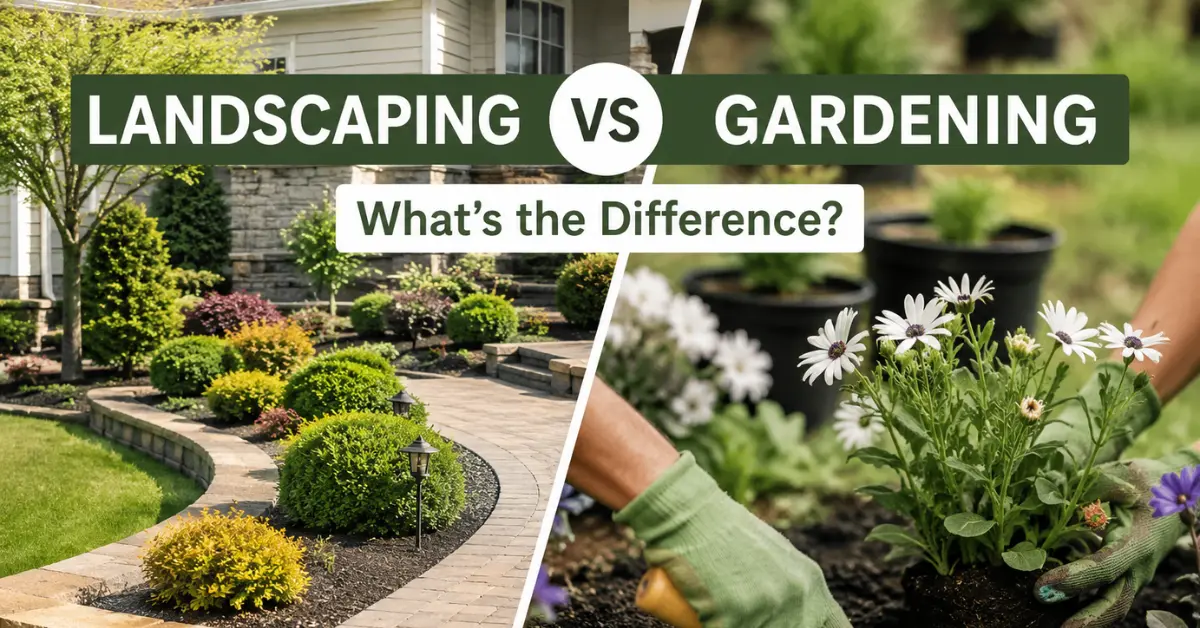
You’ve probably used these two words interchangeably at some point. Most people do. But if you’ve ever hired someone to “do the garden” and ended up with a brand-new stone pathway and retaining wall — you already know these are two very different things.
So what exactly separates Landscaping vs Gardening? And more importantly, which one does your outdoor space actually need?
Let’s break it all down.
What Is Gardening?
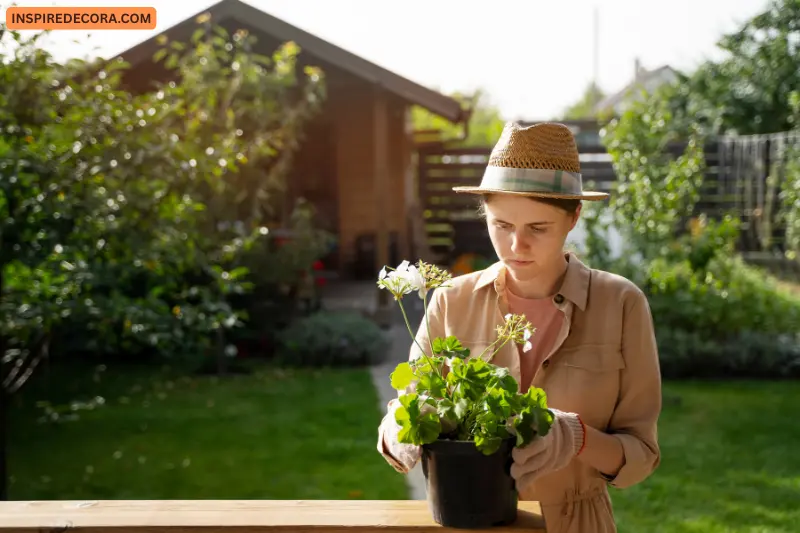
Gardening is the hands-on practice of growing and caring for plants. It’s personal, detailed, and often deeply satisfying. When you’re deadheading your roses, pulling weeds from your vegetable beds, or planting new bulbs in the fall — that’s gardening.
Gardening focuses on:
- Growing flowers, vegetables, herbs, shrubs, and trees
- Watering, fertilizing, pruning, and weeding
- Improving soil health and plant nutrition
- Caring for plant life season by season
Gardening is largely a living process. It changes with the seasons, responds to the weather, and requires ongoing attention. It’s something many homeowners do themselves — and genuinely enjoy doing.
Who does it? A gardener. They understand plants intimately — their growing habits, soil needs, sun requirements, and vulnerabilities to pests.
What Is Landscaping?
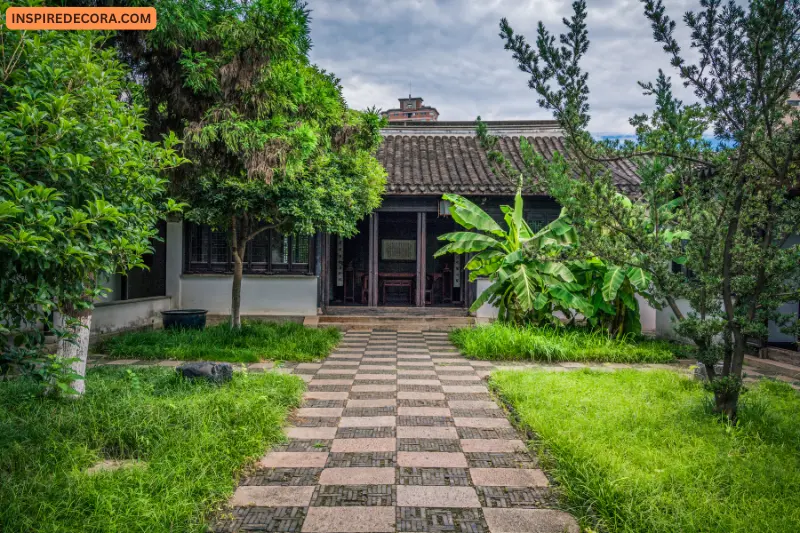
Landscaping is the bigger picture. It’s about designing, constructing, and transforming an outdoor space as a whole. Landscaping looks at your yard the way an architect looks at a building — with a plan, a purpose, and a vision.
Landscaping covers:
- Designing the overall layout of your outdoor space
- Installing lawns, garden beds, and planting areas
- Building hardscape features like patios, walkways, retaining walls, and fences
- Grading the land (shaping the terrain for drainage and aesthetics)
- Installing irrigation systems and outdoor lighting
- Planting trees, shrubs, and ground cover as part of a larger design
Landscaping often happens at the start — when you move into a new home, or when you want to completely reimagine your outdoor space. It’s a project, not a routine.
Who does it? A landscaper or landscape designer. They bring skills in design, construction, drainage, and outdoor architecture — not just plant care.
Landscaping vs Gardening: Side-by-Side Comparison
| Feature | Gardening | Landscaping |
|---|---|---|
| Focus | Plant care and growth | Overall outdoor design |
| Scale | Small to medium | Medium to large |
| Activities | Planting, pruning, watering | Designing, building, installing |
| Involves structures? | Rarely | Yes (patios, walls, paths) |
| Ongoing or one-time? | Ongoing maintenance | Usually project-based |
| DIY-friendly? | Very much so | Often requires professionals |
| Cost | Low to moderate | Moderate to high |
| Tools needed | Hand tools, watering cans | Heavy equipment, power tools |
The Biggest Difference Most People Miss
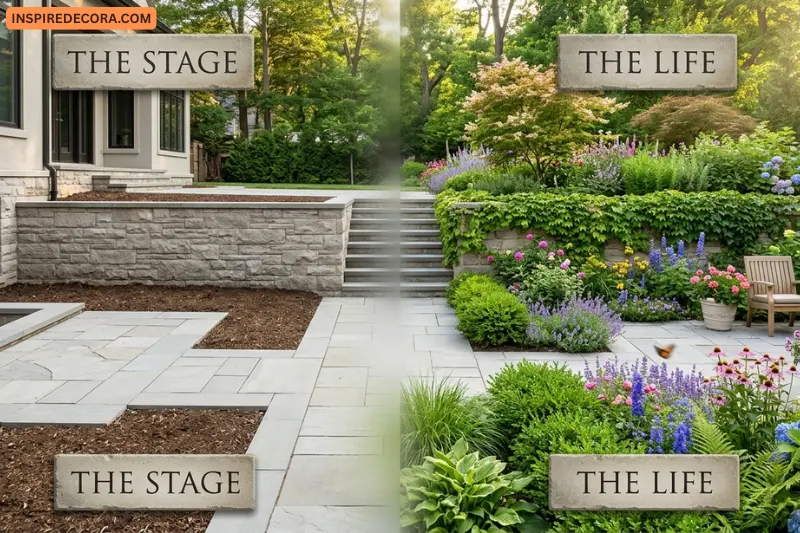
Here’s something competitors rarely explain clearly: landscaping changes the land itself, while gardening works within it.
When a landscaper grades your yard to fix drainage problems, they’re reshaping the actual terrain. When they install a retaining wall, they’re permanently altering the structure of your outdoor space. When they design a patio and connect it to the house with a walkway, they’re creating architecture outside your walls.
Gardening doesn’t change the land. It works with what’s already there — the soil, the shape, the sunlight — to grow and nurture living things.
Think of it this way:
- A landscaper designs and builds the stage.
- A gardener fills it with life.
Both roles are valuable. And in many cases, you need both.
Do Landscaping and Gardening Overlap?
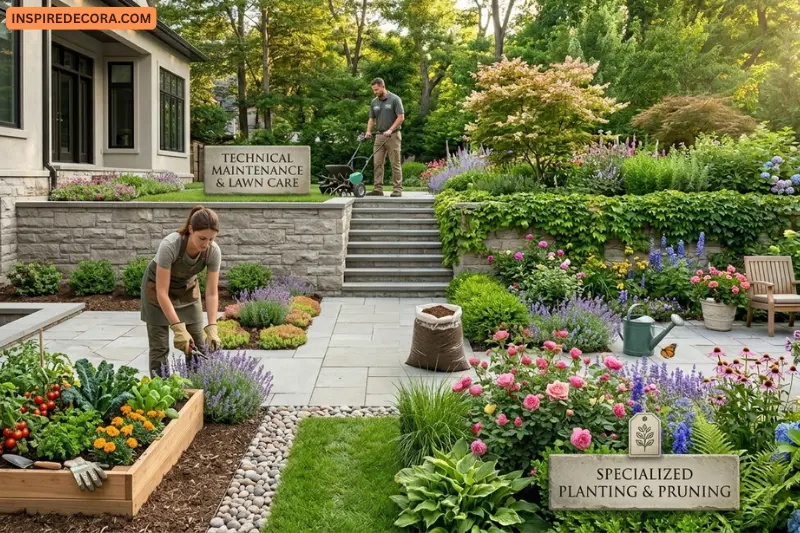
Yes — more than you might think.
Many landscaping companies offer garden design and planting as part of their services. And many serious gardeners do light landscaping work, like installing raised beds or garden borders.
The overlap zone includes:
- Planting design — choosing and placing plants for visual impact (both gardeners and landscapers do this)
- Lawn care — mowing, aeration, and overseeding (often handled by landscaping companies)
- Mulching — both a gardening and landscaping task
- Seasonal cleanups — technically gardening, but often offered by landscaping firms
The key is knowing which professional to call for what job. If your rose bed needs pruning, call a gardener. If your backyard floods every time it rains, call a landscaper.
Which One Does Your Outdoor Space Need?
Not sure where to start Landscaping vs Gardening ? Here’s a simple guide:
You probably need gardening if:
- Your existing plants need regular care, pruning, or feeding
- You want to grow vegetables, herbs, or flowering plants
- You want to improve your soil or fix a struggling lawn
- You enjoy maintaining your yard yourself
You probably need landscaping if:
- You’re starting from scratch with a new build or undeveloped plot
- Your yard has drainage or grading issues
- You want to add a patio, walkway, deck, or outdoor kitchen
- You want a professionally designed, long-term outdoor transformation
- Your current layout doesn’t work — functionally or visually
You need both if:
- You want a complete outdoor makeover that looks great AND thrives long-term
- You want a landscape design that includes beautiful, healthy plantings
Tools of the Trade: What Each Requires
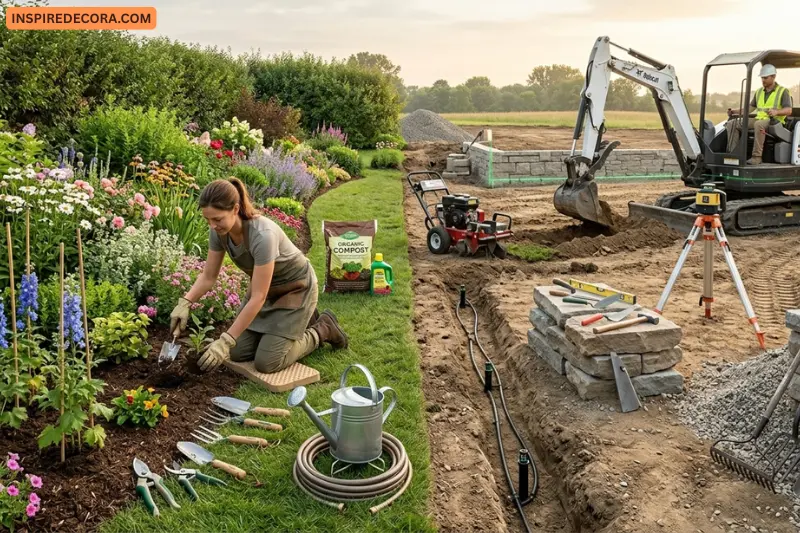
Understanding the tools involved gives you a better sense of how different these disciplines really are Landscaping vs Gardening.
Common gardening tools:
- Trowels, hand forks, and pruning shears
- Watering cans and garden hoses
- Kneeling pads and gloves
- Soil amendments (compost, fertilizer, mulch)
- Plant supports, stakes, and ties
Common landscaping tools and equipment:
- Bobcats, excavators, and skid steers
- Sod cutters and turf rollers
- Masonry tools for stonework and edging
- Irrigation installation equipment
- Laser levels and grading tools
This is why large Landscaping vs Gardening projects almost always require professional contractors. The equipment alone is significant — and operating it safely requires training.
What About Cost? Gardening vs Landscaping Budgets
This is the practical question most articles skip over.
Gardening costs are generally low if you’re doing it yourself. You might spend $50–$300 a season on plants, soil, and supplies. Hiring a professional gardener for regular maintenance typically runs $25–$75 per hour depending on your location.
Landscaping costs vary enormously depending on the scope:
- Basic landscaping refresh (new plants, mulch, edging): $500–$3,000
- Mid-scale redesign with softscaping: $3,000–$15,000
- Full landscape transformation including hardscaping: $15,000–$50,000+
Landscaping is an investment — but it’s one that pays off. A well-landscaped property can increase home value by 10–15%, according to real estate research. That’s not something a weeded flower bed can claim.
How Landscaping Affects Home Value (Something Gardening Alone Can’t Do)
This is the angle most competitors completely ignore.
Curb appeal is one of the top factors buyers consider when viewing a home. And curb appeal is driven by landscaping — not just a nice garden bed. A professionally designed front yard with clean lines, healthy lawn, structured planting beds, and a well-maintained pathway signals care and quality.
Specific landscaping upgrades that boost home value include:
- Mature trees — Studies show a single well-placed tree can add $1,000–$10,000 to a home’s value
- Patios and outdoor living areas — Return on investment can reach 80% or more
- Irrigation systems — A selling point for buyers who don’t want to think about watering
- Outdoor lighting — Increases security perception and visual appeal in evening showings
Gardening beautifies. Landscaping transforms — and that transformation has measurable financial value.
Seasonal Timing: When to Garden, When to Landscape
Another underrated difference: these two activities follow completely different seasonal rhythms.
Best times to garden:
- Spring — planting annuals and perennials, starting seeds
- Summer — watering, feeding, deadheading, harvesting
- Fall — planting bulbs, dividing perennials, preparing beds for winter
- Winter — planning, ordering seeds, indoor propagation
Best times to landscape:
- Late winter/early spring — design planning, hardscape installation before growing season
- Fall — ideal for planting trees and shrubs (root establishment before frost)
- Year-round (in mild climates) — most hardscape work can happen any time the ground isn’t frozen
If you want a new patio ready for summer, you need to start landscaping conversations in late winter. If you want your garden blooming by June, start planting in April or May.
Frequently Asked Questions
Is lawn care Landscaping vs Gardening?
Lawn care sits in between. Mowing, fertilizing, and weed control are maintenance tasks that lean toward gardening. But lawn installation (laying sod, seeding a new lawn, irrigation setup) is clearly landscaping.
Can I do my own landscaping?
Small landscaping tasks — like laying mulch, planting shrubs, or installing garden edging — are very DIY-friendly. Larger projects involving grading, drainage, or heavy hardscaping are best left to professionals for both safety and quality reasons.
Do I need a landscape designer or a landscaper?
A landscape designer creates the plan — they’re focused on vision and layout. A landscaper (or landscape contractor) executes the work. For larger projects, you often need both. Some companies offer both services under one roof.
How often does a garden need professional maintenance?
It depends on the size and complexity of your garden. Most maintained gardens benefit from professional visits every 2–4 weeks during the growing season. A low-maintenance garden might only need seasonal cleanups twice a year.
Can landscaping help with drainage problems in my yard?
Absolutely — and it’s one of landscaping’s most practical functions. A landscaper can regrade your yard, install French drains, create dry creek beds, or add rain gardens to redirect and manage water effectively.
What’s the difference between a Landscaping vs Gardening salary-wise?
Professionally, landscapers typically earn more due to the specialized equipment and skills involved. Landscape architects (who design large projects) earn considerably more than general gardeners or maintenance gardeners.
Is xeriscaping Landscaping vs Gardening?
Xeriscaping — designing a yard to use minimal water — is a form of landscaping. It involves selecting drought-tolerant plants, rethinking your outdoor layout, and often replacing traditional lawns. It’s a great option for dry climates.
Which is better for the environment — gardening or landscaping?
Both can be eco-friendly, but in different ways. Gardening supports pollinators, improves local soil health, and reduces food miles if you grow vegetables. Landscaping can help manage stormwater, reduce heat islands with tree canopy, and support native plant ecosystems when done thoughtfully.
Final Thoughts: Two Sides of the Same Outdoor Space
Landscaping vs Gardening aren’t competitors — they’re complements. Think of your outdoor space as a home for living things: landscaping builds the structure, and gardening fills it with life. If you’re planning an outdoor project, start by asking what you actually want to achieve. A more functional yard? That’s landscaping. More color and life? That might be gardening. A complete transformation that looks great and grows beautifully for years? That’s both — working together.
Whether you’re a weekend gardener who loves getting your hands dirty, or you’re ready to invest in a professional landscape redesign, understanding the difference helps you make smarter decisions, spend your money wisely, and get results that last.