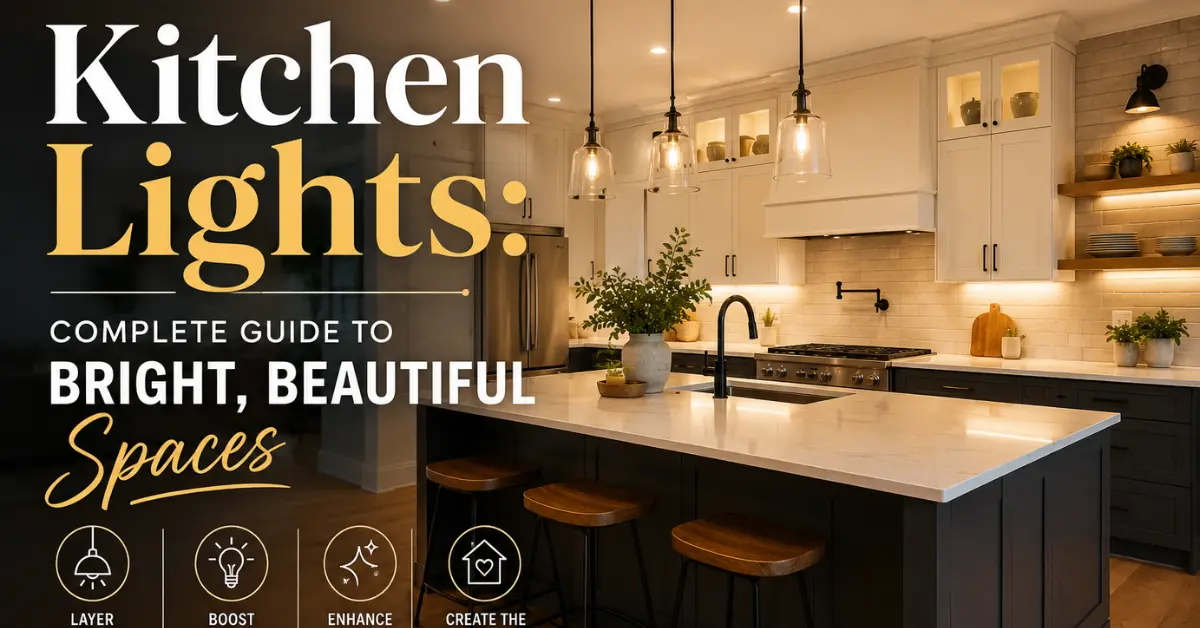
Your kitchen is the heart of your home. It’s where you cook, laugh, share meals, and start your mornings. Yet lighting is one of the most overlooked parts of kitchen design — and one of the most powerful.
Get your kitchen lights right, and your whole space transforms. Get them wrong, and even the most beautiful kitchen can feel dull, shadowy, or cold.
This guide covers everything you need to know — from the basic types of kitchen lighting to smart bulb choices, common mistakes to avoid, and tips your competitors won’t tell you.
Why Kitchen Lighting Matters More Than You Think
Bad lighting doesn’t just make it hard to see — it changes how you feel in the space. A poorly lit kitchen feels cramped, uninviting, and tiring to work in. Great kitchen lighting, on the other hand:
- Makes your space feel larger and cleaner
- Reduces eye strain while cooking
- Sets the mood for dining and entertaining
- Highlights your kitchen’s best features — backsplash, countertops, cabinetry
- Adds real value to your home
Think of lighting as the “jewelry” of your kitchen. It finishes the look and ties everything together.
The 4 Types of Kitchen Lights You Need to Know
Every well-lit kitchen uses a layered approach — a mix of four types of lighting working together. Here’s what each one does:
1. Ambient Lighting (General Light)
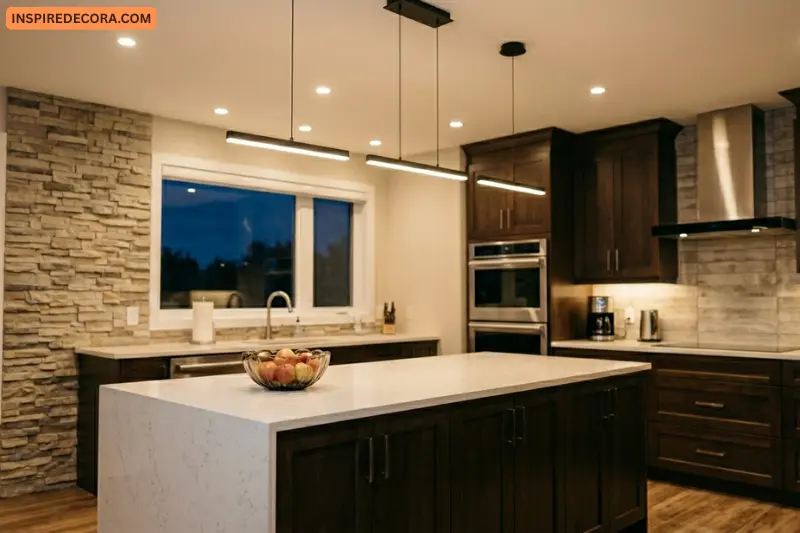
This is your main source of light — the baseline that fills the whole room. Think of it as the “daylight” you’re replacing once the sun goes down.
Common options:
- Recessed ceiling lights (pot lights)
- Flush-mount or semi-flush-mount ceiling fixtures
- Surface-mounted LED panels
Pro tip: Ambient light alone creates a flat, boring look. Always combine it with other layers.
2. Task Lighting (Working Light)
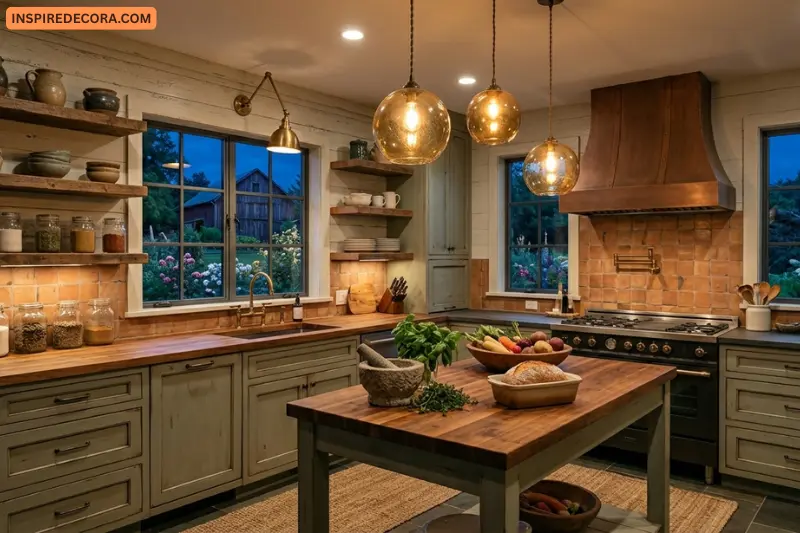
Task lighting shines directly on the places where you actually work — countertops, the stove, the sink, and the cutting board. This is the most functional layer of kitchen lighting.
Common options:
- Under-cabinet LED strip lights
- Pendant lights over an island or peninsula
- Over-the-range microwave lights
Pro tip: Under-cabinet lighting is the single most impactful upgrade most kitchens are missing. It eliminates shadows on your prep area and makes cooking dramatically easier.
3. Accent Lighting (Decorative Highlight Light)
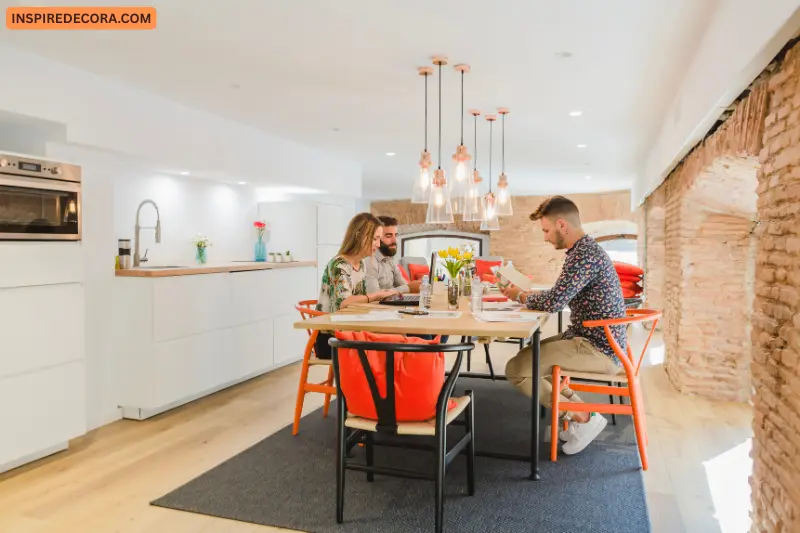
Accent lighting draws the eye to specific features — open shelving, glass-front cabinets, a beautiful tile backsplash, or architectural details. It adds depth and drama.
Common options:
- Inside-cabinet puck lights or LED strips
- Toe-kick lighting (subtle lights at the base of cabinets)
- Directional spotlights
Pro tip: Toe-kick lighting is a secret designer trick. It creates a soft glow at floor level that makes your kitchen look like it’s floating — and it’s stunning at night.
4. Decorative Lighting (Statement Light)
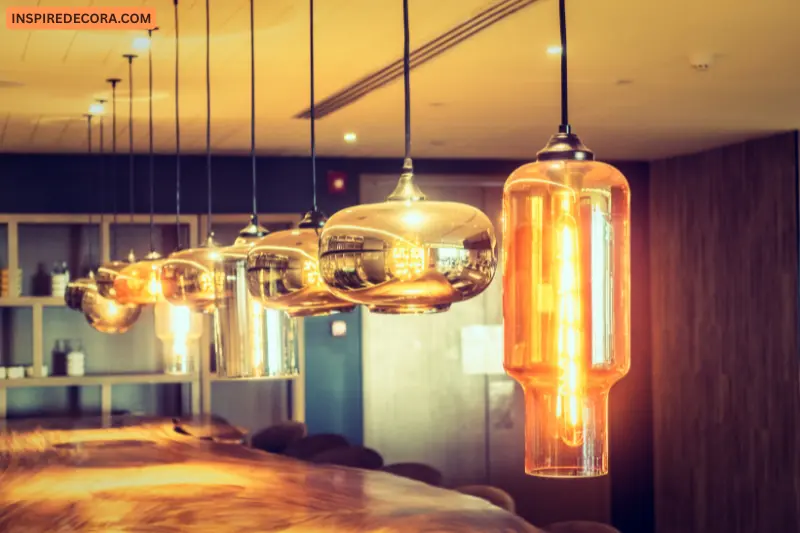
These are the lights that show off your personality. They’re the pendants, the chandelier, the unique fixture over your kitchen island that people notice the moment they walk in.
Common options:
- Pendant lights (single or grouped)
- A statement chandelier over a kitchen dining table
- Lantern-style or cage fixtures
Pro tip: A great decorative light fixture doesn’t need to be expensive — it just needs to be intentional. Choose one that reflects the overall style of your kitchen.
Choosing the Right Kitchen Light Fixtures
Recessed Lights
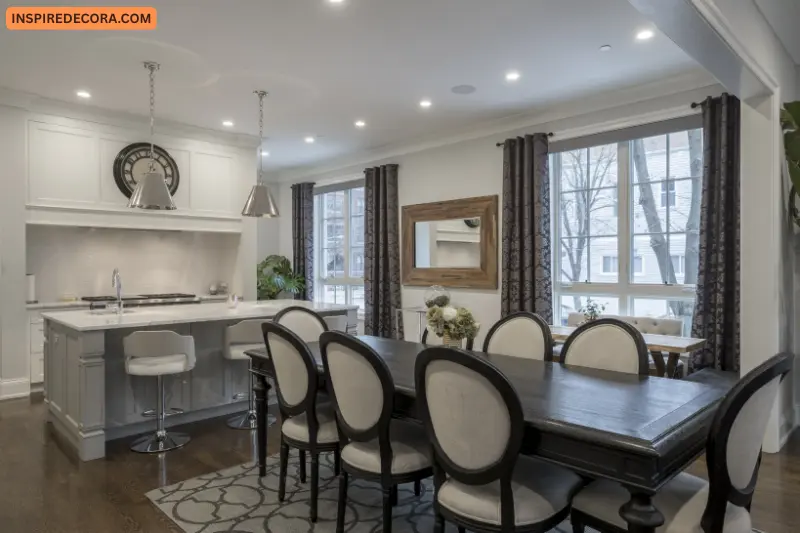
Recessed lights (also called pot lights or can lights) are the most popular form of ambient lighting. They sit flush with the ceiling and give a clean, modern look.
What to know:
- Space them about 4 feet apart for even coverage
- Use 4-inch fixtures in smaller kitchens, 6-inch in larger ones
- Always choose dimmable versions — you’ll thank yourself later
Pendant Lights Over the Island
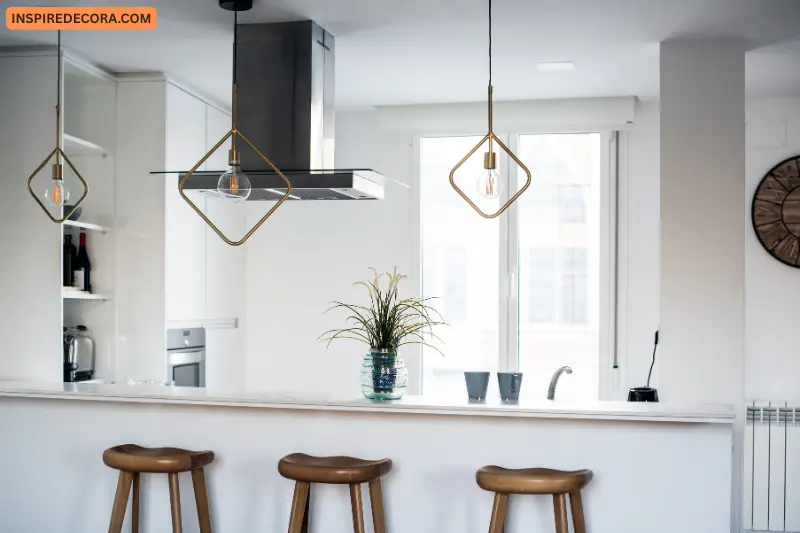
Pendant lights are the star of most modern kitchens. They add personality and focused light to your island or breakfast bar.
What to know:
- Hang them 30–36 inches above the countertop
- Use 2–3 pendants for a standard island, spaced evenly
- Match the finish (brushed nickel, black, gold) to your cabinet hardware for a cohesive look
Under-Cabinet Lights
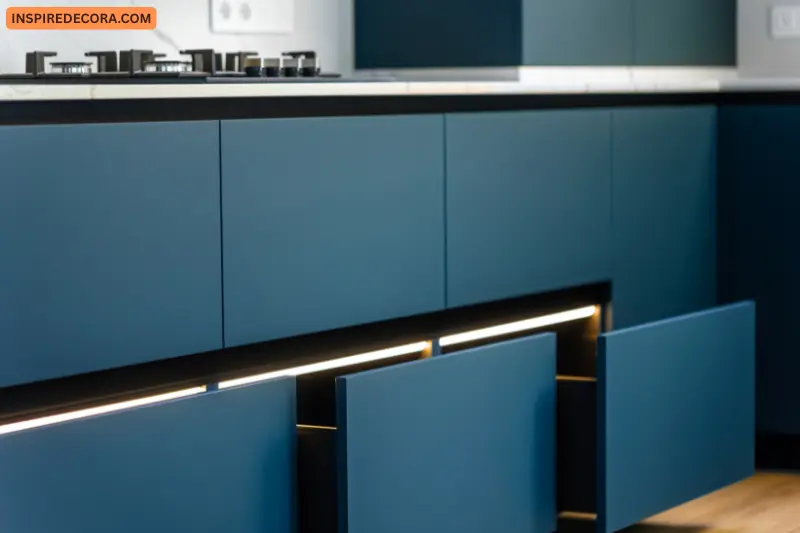
This is the most practical upgrade you can make to your kitchen lighting. Under-cabinet lights shine directly onto your countertop, eliminating shadows while you cook.
Options include:
- LED strip lights (most popular — slim, bright, energy-efficient)
- Puck lights (create pools of light, better for accent use)
- Hard-wired fixtures (cleanest look, best long-term option)
Flush-Mount and Semi-Flush Ceiling Lights
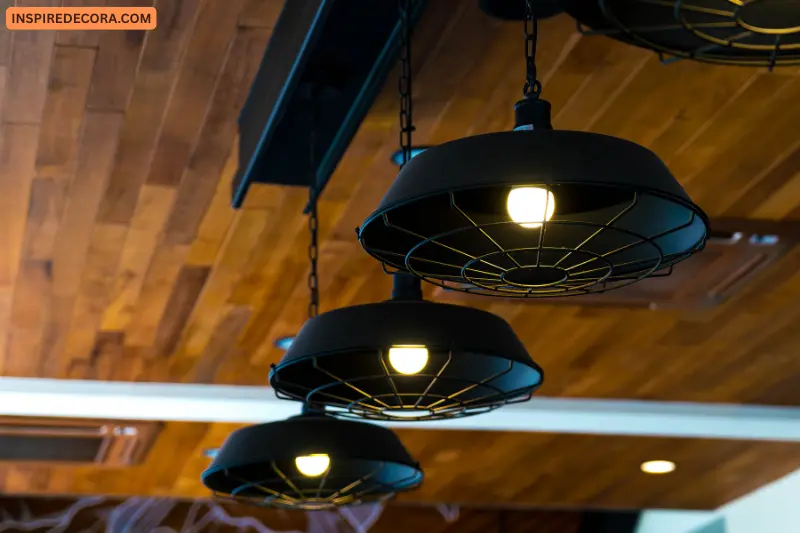
Perfect for kitchens with low ceilings where hanging pendants aren’t practical. Modern flush-mount fixtures come in beautiful designs and provide solid ambient light.
Kitchen Chandeliers
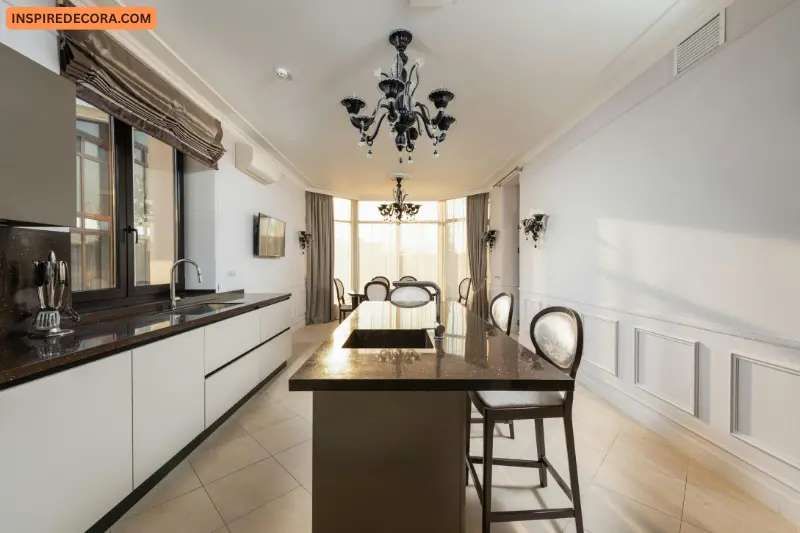
Yes, chandeliers belong in kitchens — especially over a kitchen dining area or a large island. They add elegance and become an instant focal point.
Keep scale in mind: a chandelier should be about half the width of the table it hangs over.
The One Thing Most Guides Skip: Lighting Color Temperature
This is where most home owners go wrong — and most competitor guides don’t explain it properly.
Every light bulb has a color temperature measured in Kelvins (K). This affects how warm or cool the light looks and how your kitchen feels.
| Color Temperature | Look | Best For |
|---|---|---|
| 2700K–3000K | Warm white (yellowish) | Cozy, traditional kitchens |
| 3500K–4000K | Neutral white | Modern, transitional kitchens |
| 5000K–6500K | Cool white (bluish) | Ultra-modern, clinical kitchens |
The sweet spot for most kitchens: 3000K–3500K. It’s warm enough to feel welcoming but bright enough for food prep.
Critical tip: Use the SAME color temperature throughout your kitchen. Mixing warm and cool bulbs in the same space looks messy and feels off — even if you can’t explain why.
How Bright Should Your Kitchen Lights Be?
Brightness is measured in lumens. Here’s a simple guide:
- General kitchen lighting: Aim for 50 lumens per square foot
- Task areas (counters, island): 70–100 lumens per square foot
- Example: A 150 sq ft kitchen needs roughly 7,500–10,000 total lumens
Always install dimmers. They give you complete control over the mood — bright for cooking, low and warm for dinner parties.
LED vs. Other Bulb Types — What to Use in Your Kitchen
Always choose LED. Here’s why:
- Last 15–25 years (vs. 1–2 years for incandescent)
- Use 75–80% less energy
- Produce very little heat — important in a hot kitchen
- Available in every color temperature and brightness level
- Fully compatible with dimmers (just buy dimmable LEDs)
Avoid fluorescent tube lights in residential kitchens. They cast an unflattering light, flicker over time, and do nothing for your kitchen’s aesthetic.
Kitchen Lighting Layout: How to Plan It
Before you buy anything, sketch out your kitchen and plan where each type of light will go.
Step-by-step layout approach:
- Start with ambient: Place recessed lights in a grid, roughly 4 feet from walls and 4 feet apart from each other.
- Add task lighting: Identify every surface where you prep food — above the island, above the sink, under cabinets.
- Layer in accent: Decide which features you want to highlight — open shelves, a backsplash, inside glass cabinets.
- Choose your statement piece: Select one decorative fixture that ties the room’s style together.
- Plan your switches: Group your lights into separate circuits so you can control each layer independently.
Common Kitchen Lighting Mistakes (And How to Avoid Them)
Most guides talk about what to buy. Few talk about what NOT to do. Here are the most common kitchen lighting mistakes:
1. Relying on one overhead light A single ceiling fixture in the center of the room creates shadows everywhere you actually work. Layer your lighting.
2. Forgetting about the sink The sink is one of the most-used spots in any kitchen. Make sure it has dedicated overhead or under-cabinet lighting.
3. Installing lights without dimmers A kitchen used for breakfast prep, midday cooking, and dinner parties needs different brightness levels. Dimmers are essential.
4. Choosing the wrong bulb color Warm white and cool white bulbs in the same kitchen look inconsistent and unflattering. Stick to one color temperature throughout.
5. Hanging pendants too high or too low Too high and they lose their purpose. Too low and they block your view across the island. The 30–36 inch rule from countertop is your guide.
6. Ignoring scale A tiny pendant in a large kitchen looks lost. A massive chandelier in a galley kitchen feels suffocating. Match your fixture size to your space.
Kitchen Lighting Ideas by Style
Modern / Contemporary Kitchen Lights
- Sleek recessed LED lighting
- Linear pendant lights over the island
- Handleless cabinets with integrated LED strips
- Matte black or brushed gold finishes
Farmhouse / Rustic Kitchen Lights
- Edison bulb pendants
- Lantern-style flush mounts
- Wrought iron or aged brass fixtures
- Warm white (2700K) bulbs throughout
Traditional / Classic Kitchen Lights
- Elegant chandelier over the dining area
- Polished nickel or antique bronze finishes
- Drum pendant lights over the island
- Soft ambient lighting with warm tones
Minimalist Kitchen Lights
- Recessed lighting only (hidden, flush with ceiling)
- Thin LED strip lights under cabinets
- No visible bulbs or decorative fixtures
- Cool white (3500K–4000K) tones
Smart Kitchen Lighting: The Future Is Already Here
Most guides don’t cover this — but smart kitchen lights are now affordable and genuinely useful.
With smart bulbs or smart switches, you can:
- Control lights with your voice (Alexa, Google Home, Siri)
- Set “scenes” — dim, warm light for dinner parties with a single tap
- Schedule lights to automatically brighten in the morning
- Change color temperature throughout the day (brighter for tasks, warmer for evenings)
- Save energy by turning off forgotten lights remotely
Popular smart lighting brands include Philips Hue, LIFX, and Lutron Caseta. They work with most existing fixtures.
How to Shop for Kitchen Lights on Any Budget
Budget-friendly:
- LED recessed lights from big-box stores work perfectly well
- Under-cabinet LED strips are inexpensive and easy to install yourself
- Look for pendant lights at home goods stores — style doesn’t have to cost a fortune
Mid-range:
- Invest in quality dimmers and smart switches
- Choose pendant lights with metal shades for durability and style
- Buy semi-flush mounts with integrated LEDs (no bulb replacements needed)
Premium:
- Commission a layered lighting plan from an interior lighting designer
- Choose designer pendant lights or chandeliers as statement pieces
- Install motorized shades with automated lighting scenes
FAQs
How many lights do I need in my kitchen?
covers lumens, spacing, and fixture count
What is the best color temperature for kitchen lights?
3000K–3500K recommendation with context
Should kitchen lights be warm or cool white?
breaks it down by kitchen style
Can I install kitchen lights myself?
honest DIY vs. electrician guidance
How do I make my small kitchen look brighter without major renovations?
quick, practical tips
Final Thoughts: Light Your Kitchen Like a Designer
Great kitchen lighting isn’t about buying the most expensive fixture or installing the most lights. It’s about layering — combining ambient, task, accent, and decorative lights so every corner of your kitchen looks and feels its best. Start with the function (where do you need light to work?), then add the beauty (what do you want to highlight?), and finish with the personality (what says something about your style?).
Once you get it right, you’ll wonder how you ever cooked in the dark.