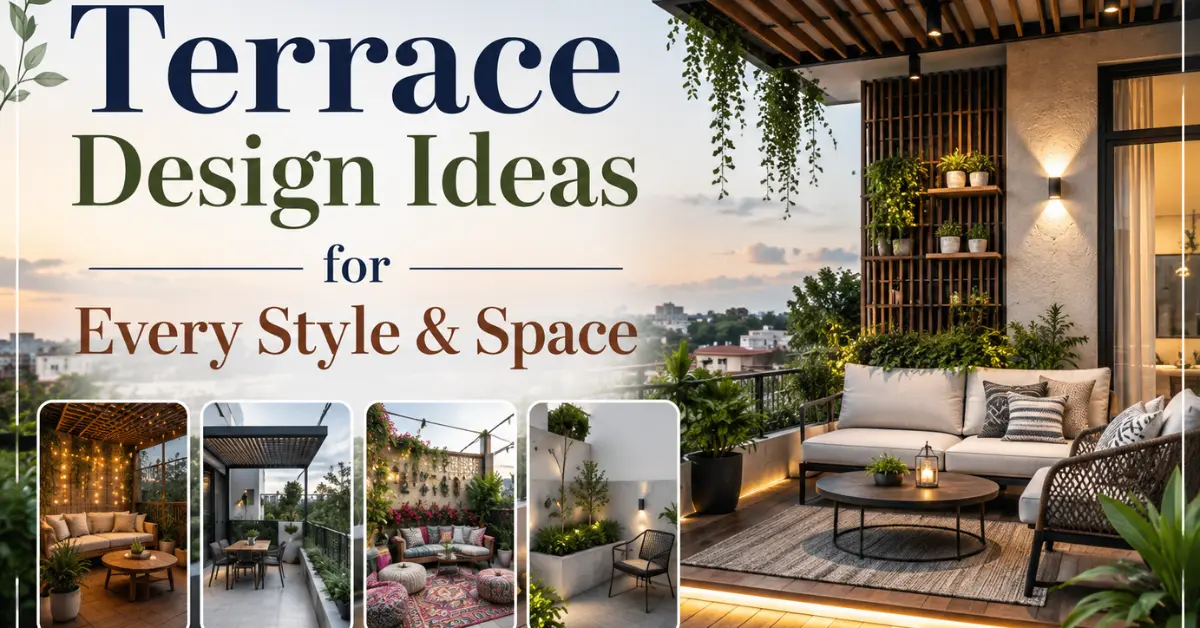
Your terrace is more than just an outdoor slab. It is a blank canvas waiting to become your favorite room in the house. Whether you have a cozy rooftop nook or a sprawling garden-level terrace, the right terrace design can turn any neglected space into a stylish, functional retreat you actually want to spend time in.
From furniture selection and flooring choices to lighting tricks and greenery ideas, this guide covers everything you need to create a terrace that looks great and works even better. Let’s dive in.
What Is Terrace Design — and Why Does It Matter?
Terrace design is the process of planning and styling an outdoor platform or elevated area to make it both beautiful and functional. A well-thought-out terrace design extends your living space outdoors, adds value to your property, and gives you a personal sanctuary for relaxing, dining, or entertaining.
In 2025, terraces have become genuine lifestyle spaces. People are investing in terrace design the same way they invest in interior rooms, and the results speak for themselves. A properly designed terrace can increase your home’s resale value, improve your daily quality of life, and give you an outdoor space that feels just as comfortable as your living room.
Step 1: Define the Purpose of Your Terrace
Before you pick a single tile or chair, ask yourself one important question: what do you actually want to do on your terrace?
Common terrace functions include:
- Outdoor dining and entertaining guests
- A quiet lounge or reading corner
- A home workspace or remote work zone
- A terrace garden with plants, herbs, or vegetables
- A wellness or yoga space
- A family hangout area for children and adults
Skipping this step is the most common mistake in terrace design. Without a clear purpose, you end up with a space that looks cluttered and serves no one well. Once you define the function, everything else — layout, furniture, flooring, and decor — becomes much easier to decide.
Step 2: Check Structural Limits Before You Start
This is a step many homeowners overlook, but it is absolutely critical. Terraces, especially rooftop ones, have specific load-bearing capacities. Before placing heavy furniture, large planters, water features, or stone flooring, consult a structural engineer or architect.
Key structural checks to complete before starting your terrace design:
- Load capacity of the floor or roof structure
- Drainage and waterproofing conditions
- Local building regulations and permits
- Wind exposure levels, especially for elevated terraces
- HOA guidelines if applicable
Getting these checks done early saves you money, time, and potential safety hazards down the line.
Terrace Design Styles to Consider
There is no one-size-fits-all approach to terrace design. The best style is the one that matches your home’s overall aesthetic and your personal taste. Here are the most popular terrace design styles in 2025.
Modern Minimalist Terrace Design
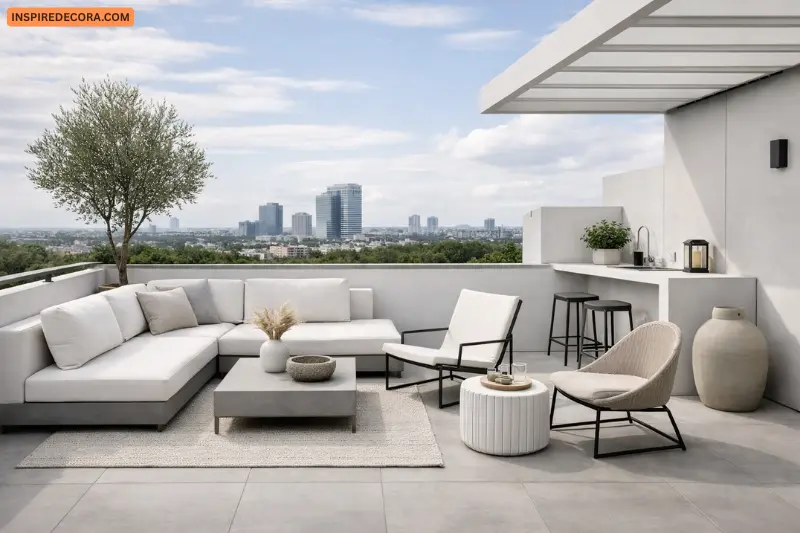
Clean lines, neutral tones, and clutter-free layouts define this style. A modern minimalist terrace design works exceptionally well for small spaces because it makes the area feel open and airy. Use furniture with simple silhouettes, stick to a palette of white, grey, or beige, and let one or two statement pieces do the talking.
Best for: Urban apartments, rooftop terraces, small spaces.
Biophilic Terrace Design
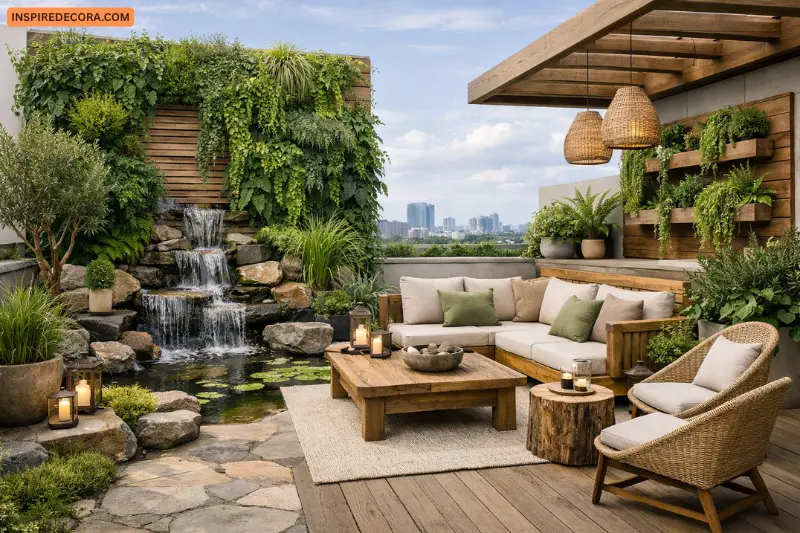
Biophilic terrace design brings nature front and center. This growing trend focuses on connecting people with natural elements through plants, water features, natural stone, and wood. Incorporating vertical gardens, planter walls, and cascading greenery transforms your terrace into a lush green oasis that also improves air quality and well-being.
Best for: Garden terraces, large rooftop spaces, wellness-focused homes.
Rustic or Boho Terrace Design
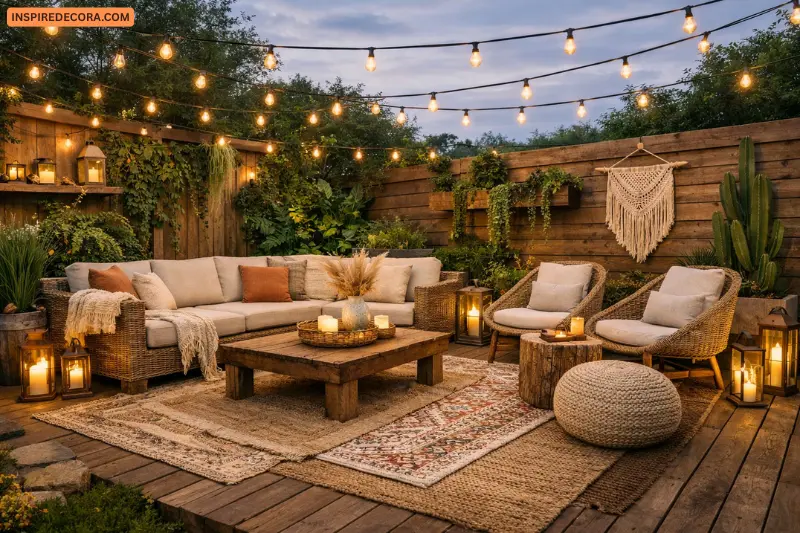
Wooden decks, wicker furniture, earthy tones, lanterns, and soft cushions create a warm and inviting rustic terrace atmosphere. This style is relaxed, approachable, and easy to achieve on almost any budget. Add string lights overhead and a few layered rugs, and your terrace instantly feels like a cozy retreat.
Best for: Ground-level terraces, suburban homes, casual entertaining spaces.
Industrial Terrace Design
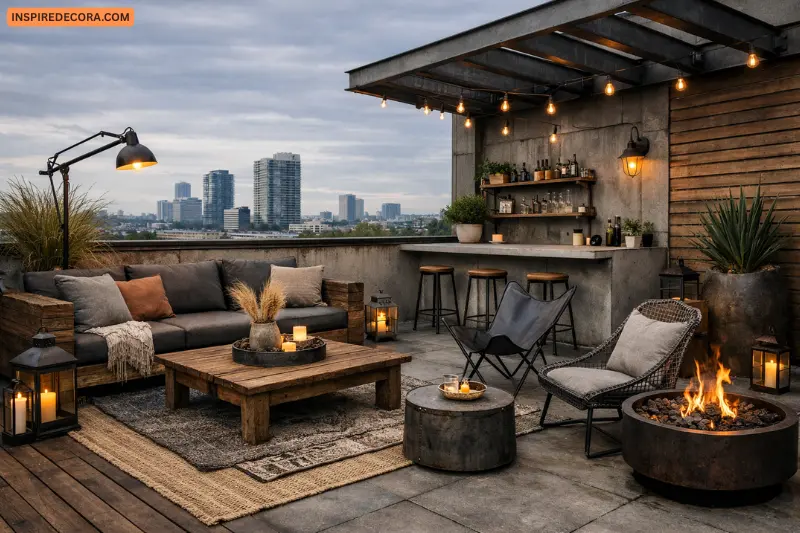
Metal, concrete, recycled wood, and muted grey tones characterize the industrial terrace style. This urban-inspired look is bold, modern, and surprisingly easy to maintain. Aged finishes and raw textures add sophistication without feeling overdone.
Best for: City apartments, commercial rooftop terraces, contemporary homes.
Mediterranean Terrace Design
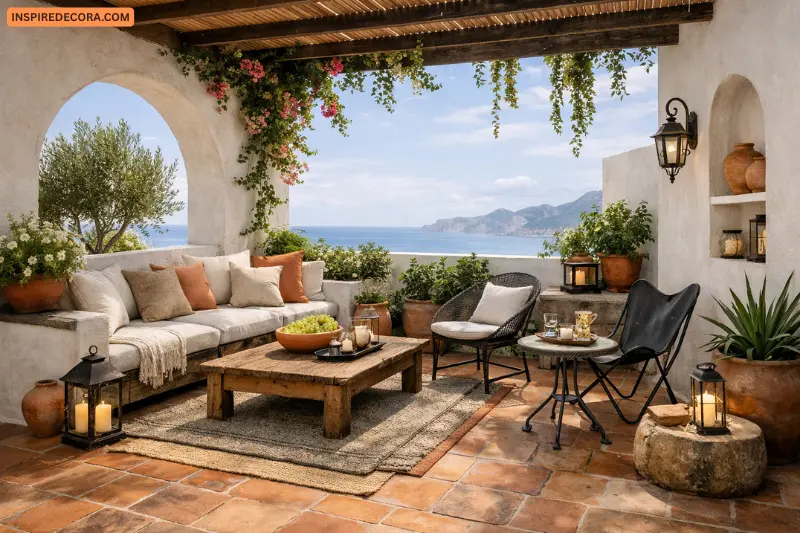
Think terracotta tiles, whitewashed walls, lush plants, and wrought-iron furniture. A Mediterranean-style terrace design feels warm, inviting, and timeless. Bistro sets, clay pots, and trailing vines are all hallmarks of this classic outdoor style.
Best for: Sunny climates, garden terraces, holiday-home vibes.
Terrace Flooring Ideas That Make a Difference
The floor is one of the biggest visual elements of any terrace design. Choosing the right material affects both the look and the practicality of the space.
Popular terrace flooring options include:
- Porcelain or ceramic tiles — Durable, low-maintenance, and available in wood, stone, or concrete looks. A top choice for modern terrace design.
- Wooden decking — Warm and natural. Hardwoods like ipe are naturally resistant to rot and moisture. Requires occasional oiling to maintain appearance.
- Composite decking — Looks like wood but needs almost zero maintenance. Does not fade, crack, or splinter. A smart long-term investment.
- Natural stone — Premium look and feel. Works beautifully indoors and outdoors, creating a seamless transition between spaces.
- Artificial turf or outdoor rugs — Ideal for softening a hard terrace surface. Great for creating a yoga zone or casual seating area.
When choosing terrace flooring, consider slip resistance, heat absorption (especially in sunny climates), drainage, and ease of cleaning.
Terrace Furniture: How to Choose and Arrange It Well
Furniture sets the tone for your entire terrace design. Choose pieces that suit the scale of your space — oversized furniture in a small terrace creates a cramped feel, while too-small pieces in a large terrace look lost.
Key terrace furniture principles:
- Match the furniture to the function. Dining terraces need proper tables and chairs. Lounge terraces need deep sofas and low tables.
- Prioritize weather-resistant materials. Look for powder-coated aluminum, UV-stabilized polypropylene, teak, ipe wood, or recycled plastic. These materials hold up to rain, UV rays, and temperature changes.
- Go for flexibility. Choose pieces you can rearrange. Modular seating, lightweight chairs, and movable tables give you the freedom to adapt the layout for different occasions.
- Don’t overcrowd the space. Leave enough room to move around comfortably. A few well-chosen pieces always look better than a cluttered collection.
- Add built-ins where possible. Built-in benches, planters, and storage boxes maximize space and create a polished, intentional look.
Terrace Furniture Cost Comparison
| Furniture Type | Budget Option | Mid-Range | Premium |
|---|---|---|---|
| Lounge sofa set | $150 – $400 | $500 – $1,200 | $1,500+ |
| Dining table & chairs | $100 – $350 | $400 – $900 | $1,000+ |
| Sun lounger | $60 – $150 | $200 – $500 | $600+ |
| Storage bench | $80 – $200 | $250 – $500 | $600 |
Terrace Design Zones: Create Multiple Spaces in One
Even a small terrace can have distinct zones if you plan it well. Zoning your terrace design makes the space feel intentional and ensures it serves more than one purpose.
How to create zones without walls:
- Use outdoor rugs to define different areas
- Place planters as natural dividers between a dining zone and a lounge zone
- Use a pergola or umbrella to anchor one section of the terrace
- Vary the furniture height to visually separate spaces
- Use lighting to shift the mood from one zone to another
A well-zoned terrace feels much larger than it actually is, and every visitor will notice the difference.
Plants and Greenery for Your Terrace Design
No terrace design feels complete without greenery. Plants add life, color, fragrance, and a sense of calm that no furniture can replicate.
Best plants for terrace design:
- Lavender and rosemary — Hardy Mediterranean plants that thrive in sunny, exposed terraces and smell wonderful
- Jasmine and climbing roses — Perfect for pergolas and trellises; provide shade and fragrance
- Succulents — Low maintenance and visually striking; great for small pots and shelves
- Heritage River Birch or Mugo Pine — Larger statement plants that can handle rooftop conditions and provide a green backdrop
- Herbs (basil, mint, thyme) — Functional and attractive; grow them in small pots near a dining area
Container and planter tips:
- Use lightweight planters on rooftop terraces to reduce structural load
- Raise planters slightly for better drainage
- Group plants of varying heights for a layered, lush effect
- Choose plants suited to your specific microclimate — wind exposure, sun levels, and temperature all affect what thrives
Vertical gardens and planter walls are excellent solutions for small terrace design. They bring greenery to eye level without taking up any floor space.
Terrace Lighting Ideas That Set the Mood
Lighting is one of the most underestimated elements of terrace design. The right lighting turns a daytime terrace into a magical evening space.
Terrace lighting ideas by type:
- String lights / fairy lights — Instantly warm and inviting. Drape them overhead for a café-style atmosphere.
- LED strip lights — Install under benches, along steps, or around planter edges for a modern, subtle glow.
- Suspended pendant bulbs — Trendy and contemporary. Work beautifully over dining areas.
- Solar-powered lanterns — Eco-friendly, no wiring required, and easy to reposition.
- Floor or path lighting — Improves safety and adds depth to the overall terrace design.
- Dimmer-controlled wall lights — Give you full control over mood and brightness.
Terrace lighting mistakes to avoid:
- Never use indoor lights outdoors. Always choose IP-rated outdoor fixtures rated for moisture and UV exposure.
- Avoid overly bright white lights. They make terraces feel harsh rather than relaxing.
- Plan your lighting layout before installation. Random placement leads to unbalanced, cluttered results.
- Be considerate of neighboring properties. Keep lighting directed inward to avoid light pollution.
Creating a Seamless Indoor-Outdoor Connection
One of the hallmarks of great terrace design is how well it connects to the interior of your home. A terrace that feels like a natural extension of your indoor space is far more appealing than one that looks disconnected.
Ways to create an indoor-outdoor flow:
- Match flooring materials or color tones between indoor and outdoor spaces
- Use similar cushion fabrics and color palettes on both sides of the door
- Choose terrace furniture that echoes the style of your interior furniture
- Incorporate the same countertop materials in an indoor kitchen and an outdoor dining area
- Use stone or tiles that work both inside and outside
When these visual threads carry through, your terrace design feels cohesive, intentional, and professionally executed.
Shade Solutions for Your Terrace
Sun is great, but too much of it makes your terrace unusable during peak afternoon hours. A shade structure is an essential component of any terrace design, especially rooftop and south-facing terraces.
Popular shade options:
- Pergolas — Ideal for large areas. They create a defined outdoor room and can support climbing plants, string lights, and shade cloth. Require structural assessment for rooftop installation.
- Retractable awnings — Flexible and neat. Extend them when needed and retract them during storms or when you want full sun.
- Patio umbrellas — Affordable and easy to move around. Need to be closed during high winds, which requires daily monitoring.
- Shade sails — Architectural and modern. Great for covering irregular-shaped spaces. Available in UV-blocking fabrics.
- Open pergola with canopy — Combines structure with flexibility; a removable canopy gives you full control over sunlight.
Common Terrace Design Mistakes to Avoid
Learning from mistakes before you make them saves time, money, and frustration.
- Designing without a purpose. Know what you want from your terrace before you spend a single dollar.
- Ignoring structural limits. Always consult professionals before adding heavy elements to a rooftop or older terrace structure.
- Buying furniture before measuring. Always measure your terrace and mark out furniture dimensions on the floor before purchasing anything.
- Choosing the wrong materials. Outdoor materials must withstand UV rays, moisture, temperature changes, and wind. Indoor materials will deteriorate quickly.
- Skipping drainage planning. Poor drainage leads to waterlogging, structural damage, and slippery surfaces. Address drainage in the early design phase.
- Overcrowding the space. More is not always better. Leave breathing room.
- Neglecting privacy. An exposed terrace can feel uncomfortable. Use planters, screens, or vertical gardens to create a sense of enclosure without losing light.
- Using overly bright lighting. Bright white lights ruin the ambiance. Always opt for warm-toned, dimmable outdoor lighting.
Terrace Design on a Budget: Smart Ways to Save
A stunning terrace design does not require a massive budget. With the right priorities, you can achieve a beautiful outdoor space without overspending.
Budget-friendly terrace design tips:
- Repurpose or upcycle old furniture with outdoor paint and weatherproof cushion covers
- Shop end-of-season sales for significant discounts on furniture and decor
- Use solar-powered lighting to eliminate electrician costs
- Grow plants from cuttings or seeds instead of buying mature specimens
- Use composite decking or porcelain tiles instead of expensive natural stone
- DIY planters from wooden pallets or crates
- Add color with cushions, rugs, and throws rather than replacing furniture
A rough budget breakdown for a mid-range terrace design project:
| Item | Estimated Cost |
|---|---|
| Flooring (per sq meter) | $30 – $120 |
| Furniture set | $400 – $1,500 |
| Lighting | $100 – $400 |
| Shade structure | $200 – $1,500 |
| Plants and planters | $100 – $500 |
| Accessories and decor | $100 – $300 |
Always set aside a 10 to 20 percent contingency in your terrace design budget for unexpected costs.
Terrace Design Trends in 2025
The most exciting terrace design ideas right now include:
- Eco-conscious materials — Recycled furniture, reclaimed wood, and sustainable composites are in high demand
- Biophilic design — Bringing maximum nature into the terrace through plants, water, and natural textures
- Multifunctional furniture — Storage benches, fold-away tables, and modular seating that adapt to different uses
- Outdoor kitchens and bars — Terraces as fully equipped entertaining hubs
- Smart lighting — App-controlled, color-adjustable LED systems for effortless mood setting
- Wellness zones — Dedicated yoga corners, meditation spaces, and hammock nooks integrated into terrace design
- Indoor-outdoor continuity — Seamless material and color flow between interior rooms and the terrace
Frequently Asked Questions About Terrace Design
1. What is the difference between a terrace and a balcony?
A terrace is typically a larger, flat outdoor space that can be at ground level or on a rooftop. A balcony is a smaller, enclosed platform that projects from the face of a building. Terraces generally offer more design flexibility due to their size.
2. How do I make a small terrace look bigger?
Use light-colored flooring, vertical plants or wall gardens, mirrors with outdoor-rated frames, and furniture proportionate to the space. Minimalist terrace design with clean lines and uncluttered layouts also makes small terraces feel more spacious.
3. What is the best flooring for a terrace?
Porcelain tiles, composite decking, and natural stone are all excellent choices. The best option depends on your climate, budget, and aesthetic. Composite decking offers the best combination of durability and low maintenance for most homeowners.
4. How much does terrace design cost?
A basic terrace design refresh can cost as little as $500 to $1,000 for furniture, lighting, and plants. A full renovation including new flooring, shade structures, built-in furniture, and professional landscaping can range from $5,000 to $20,000 or more depending on the size and materials.
5. What plants work best on a rooftop terrace?
Choose wind-tolerant and sun-hardy plants like lavender, rosemary, ornamental grasses, succulents, mugo pine, and Heritage River Birch. Always verify that plants can handle your specific rooftop microclimate including wind levels, sun exposure, and limited soil depth.
6. Do I need planning permission for terrace design changes?
This depends on your location, the extent of the changes, and whether you are in a listed building or conservation area. Always check with your local authority or HOA before making structural changes, adding a pergola, or installing permanent shade structures.
7. How can I add privacy to my terrace?
Use tall planters with bushy plants, trellis screens with climbing plants, bamboo fencing, or frosted glass panels. These options provide privacy without making the space feel dark or enclosed.
8. What furniture materials are best for outdoor terraces?
Powder-coated aluminum, teak, ipe wood, recycled plastic, and UV-stabilized polypropylene are all excellent choices. They resist rust, fading, rot, and moisture, making them ideal for year-round outdoor use.
9. How do I light a terrace for evening use?
Layer your lighting with overhead string lights for ambiance, LED strip lights for accent, and floor or path lights for safety. Always use IP-rated outdoor fixtures and opt for warm white tones with dimming capability for the best atmosphere.
10. Can I design a terrace myself without a professional?
Absolutely. Most terrace design projects are very manageable as DIY. However, for rooftop terraces or any project involving structural changes, pergola installation, or electrical work, consult a professional to ensure safety and code compliance.
Final Thoughts
Great terrace design is about more than aesthetics. It is about creating a space that genuinely improves your daily life. Start with a clear purpose, respect the structural realities of your space, choose materials that last, and let your personality guide the styling choices.
Whether you are working with a tiny balcony or a sprawling rooftop, the principles of good terrace design remain the same: function first, beauty always, and comfort above all. Take your time, plan carefully, and enjoy the process of building a terrace that feels uniquely yours.