
Few characters feel as warm and familiar as Winnie the Pooh, which is why so many parents choose winnie the pooh nursery wall decor when planning a baby’s room. The honey-loving bear has been a nursery favorite for generations, and today’s prints and canvases bring that classic charm into modern homes without feeling dated.
This guide goes beyond a simple product roundup. It covers the styles available, how to size and place your pieces, what materials hold up best, how much to budget, and safety details most shops never mention. By the end, you will know how to shop for winnie the pooh nursery wall decor with a plan instead of guesswork.
Why Parents Keep Choosing Winnie the Pooh for the Nursery
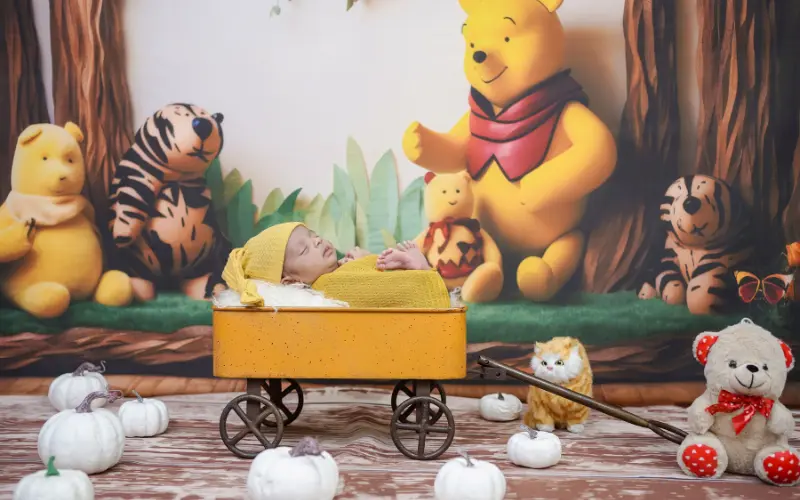
Winnie the Pooh has stayed popular for a simple reason: the artwork pairs soft, storybook charm with a color palette that fits almost any nursery scheme. Unlike louder character themes, Pooh and his friends read as gentle and timeless, so the room will not feel outdated by the time your child is old enough to have an opinion about it.
A few reasons this theme keeps winning over new parents:
- The classic honey-and-cream color palette works with neutral, pastel, or even bold nursery walls.
- The characters carry built-in sentimental value for parents who grew up with the same stories.
- Quotes from A.A. Milne’s original books add a literary, grown-up touch that keeps the room from feeling too juvenile.
- The theme works equally well for a boy, a girl, or a gender-neutral nursery.
Choosing a Style That Fits Your Nursery
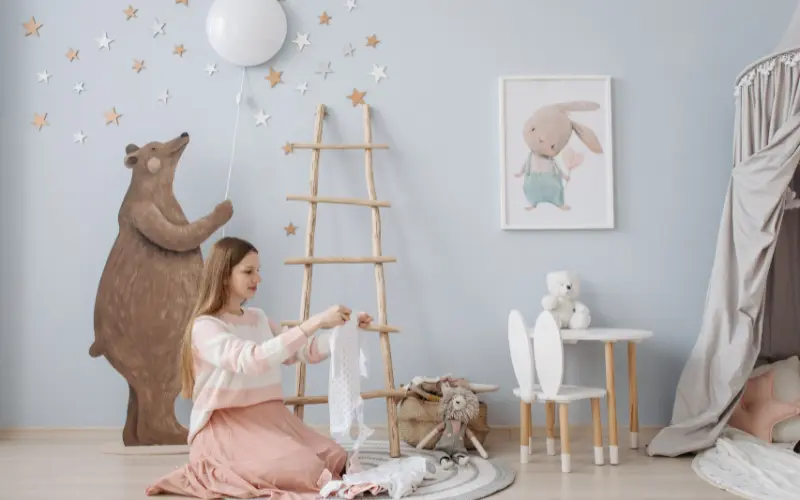
Most winnie the pooh nursery wall decor falls into one of four visual styles. Picking one (or blending two) before you shop will save you from ending up with a mismatched wall.
- Classic vintage. Soft sepia tones, gold-leaf line art, and storybook illustrations of Pooh, Piglet, and Christopher Robin. This style pairs beautifully with wood furniture, rattan accents, and cream or sage walls.
- Modern pastel. Rounded, simplified character shapes in blush pink, sky blue, or buttery yellow. This works well in a bright, airy nursery with white furniture and lots of natural light.
- Storybook illustration. Reproductions of the original E.H. Shepard sketches from the 1920s books. These prints suit a literary nursery theme and often get paired with a reading nook.
- Bold and colorful. Saturated reds, yellows, and greens closer to the animated Disney look. This suits families who want the nursery to feel playful rather than soft and muted.
Deciding on one lane before you buy is the single biggest factor in making your winnie the pooh nursery wall decor look intentional instead of random.
Sizing and Placement: The Part Most Guides Skip
This is where most competitor listings stop short. They will tell you a print measures 8×10 inches, but they will not tell you where to hang it or how high. Here is a practical breakdown.
Standard art heights above furniture:
- Above a crib or changing table: hang the bottom edge of the frame 6 to 8 inches above the furniture.
- On an open wall with no furniture beneath: center the artwork at 57 to 60 inches from the floor to the middle of the piece, which is the standard eye-level gallery height for an adult standing in the room.
- For a gallery wall grouping, keep 2 to 3 inches of space between each frame so the collection reads as one cohesive display rather than a scattered arrangement.
Sizing by wall type:
- Small accent wall or shelf: 5×7 or 8×10 prints
- Feature wall behind the crib: one large 16×20 or 18×24 piece, or a gallery set of three to five smaller prints
- Full gallery wall: mix two large anchor pieces with three to four smaller supporting prints for visual balance
A well-planned layout of winnie the pooh nursery wall decor draws the eye naturally around the room instead of competing with the crib or the window.
Framed, Unframed, Canvas, or Decal? A Material Comparison
Shoppers often assume winnie the pooh nursery wall decor is just “wall art,” but the material you choose affects cost, durability, and how easy the piece is to update later.
| Material | Best For | Pros | Watch Out For |
|---|---|---|---|
| Framed print | A polished, gallery-style look | Ready to hang, protects the paper | Heavier, costs more to ship |
| Unframed print | Budget-conscious buyers who already own frames | Cheapest option, easy to swap | You supply the frame and hardware |
| Canvas | A textured, gallery-wall aesthetic | No glass to break, lightweight | Colors can look slightly muted vs. print |
| Removable decal or wallpaper | Renters or parents who redecorate often | No nail holes, easy to remove | Less durable if repositioned often |
| Digital/printable file | Fast turnaround, custom sizing | Instant download, print any size at home | Print quality depends on your printer or lab |
If you are decorating a rental nursery, decals or command-strip-mounted frames let you enjoy winnie the pooh nursery wall decor without leaving a single hole in the wall.
What This Should Actually Cost You
Prices for winnie the pooh nursery wall decor vary widely across shops, so here is a realistic range based on current market pricing:
- Digital printable files: $5 to $12 per design
- Single unframed print (8×10 to 11×14): $10 to $25
- Single framed print: $25 to $55
- Gallery set of three framed pieces: $50 to $220 depending on frame material and size
- Full curated gallery wall (five or more pieces): $150 to $350
A helpful rule of thumb: spend more on one or two anchor pieces above the crib, then fill in supporting spots with budget-friendly unframed prints or a printable file you frame yourself.
A Detail Most Shops Leave Out: Licensing and Authenticity
Because Winnie the Pooh is Disney-owned intellectual property in most markets, the art you find online falls into two categories. Some sellers hold licensing agreements and sell officially branded merchandise. A much larger share of Etsy and independent shop listings are fan-made reinterpretations sold as personal-use art rather than licensed Disney product. This does not make the art any less charming, but it is worth knowing if officially licensed pieces matter to you for gifting or resale. Check the product description for the word “licensed” or “officially authorized” if authenticity is a priority.
Nursery Safety Notes for Wall Art
Winnie the pooh nursery wall decor sits close to where a baby sleeps and, eventually, where a toddler climbs and reaches, so a few safety habits matter:
- Use closed-back frames or canvas prints without glass above a crib to avoid any risk of broken glass.
- Anchor frames with two points of hardware rather than a single nail, especially for larger or heavier pieces.
- Keep decals and removable wallpaper trimmed away from crib rails so a curious toddler cannot peel and reach small pieces.
- Choose non-toxic, water-based inks when possible, which most reputable print shops disclose in their materials description.
These small choices keep your winnie the pooh nursery wall decor as safe as it is beautiful once your baby starts standing and reaching.
How to Arrange a Winnie the Pooh Nursery Wall Decor Gallery in Five Steps
- Lay your prints on the floor first and arrange them until the spacing feels balanced.
- Trace each frame onto kraft paper or newspaper and tape the templates to the wall to preview the layout.
- Start hanging from the center piece and work outward.
- Keep frame bottoms roughly aligned for a clean, intentional look, even if the frames are different sizes.
- Step back and view the wall from the doorway, which is the actual vantage point you will see most often.
Bringing the Theme Beyond the Wall
To make the nursery feel complete, echo the same color palette from your winnie the pooh nursery wall decor in a few smaller touches: a honey-toned rug, a soft sage or cream crib sheet, or a small Pooh bear plush on a shelf. You do not need to match every item in the room. Picking two or three supporting colors from your wall art is usually enough to tie the space together.
Frequently Asked Questions
What size prints work best above a crib?
A single large print (16×20 or 18×24) or a gallery set of three to five smaller prints, hung with the bottom edge 6 to 8 inches above the crib, tends to look best without overwhelming the space.
Is Winnie the Pooh nursery decor appropriate for both boys and girls?
Yes. The classic honey, cream, and sage palette reads as gender-neutral, and many shops now offer pastel pink or blue variations if you want a more gendered look.
How high should I hang nursery wall art if there is no furniture below it?
Center the artwork at about 57 to 60 inches from the floor to the middle of the piece, which matches standard gallery eye-level height.
Should I choose framed or unframed prints for a nursery?
Framed prints look more finished right out of the box, while unframed prints cost less and let you choose your own frame style. Either works well as long as you avoid glass directly above a crib.
Is Winnie the Pooh wall art officially licensed?
Some is, but much of what you will find on Etsy and independent shops is fan-inspired art rather than officially licensed Disney merchandise. Check the listing description if authenticity matters to you.
What is the safest wall art option for a nursery?
Canvas prints or closed-back framed prints without glass are the safest choice near a crib, since there is no risk of shattering.
Can I remove decals or wallpaper if I am renting?
Yes, most modern nursery decals and peel-and-stick wallpaper are designed for renters and remove cleanly without damaging paint, though it is worth checking a small test patch first.
How many pieces should a nursery gallery wall include?
Three to five pieces is the sweet spot for most nursery walls when using winnie the pooh nursery wall decor. Fewer can look sparse, and more than five can start to feel cluttered in a smaller room.
Final Thoughts
Winnie the Pooh nursery wall decor has stayed a favorite for decades because it feels both nostalgic and fresh at once. Whether you lean toward the classic vintage look, a soft modern pastel palette, or the original storybook illustrations, the key is picking one clear style, sizing your pieces to the wall, and hanging everything at the right height. Get those three details right, and the nursery will feel finished and ready for the memories that come next.

