
Few upgrades change a home as fast as new flooring. Awesome timber floors bring warmth, texture, and lasting value to any room, and they do it in a way that tile, vinyl, or carpet simply cannot match. If you are weighing your options for a renovation or a new build, this guide walks you through everything you need to know, from species and finishes to cost, care, and the mistakes worth avoiding.
Why Homeowners Keep Choosing Timber Floors
Wood has been the flooring of choice for centuries, and for good reason. Timber floors add a natural richness that photographs beautifully and feels even better underfoot. They also tend to hold their value better than most flooring types, since a well maintained wood floor can be sanded and refinished several times over its lifetime instead of being ripped out and replaced.
Beyond looks, Awesome Timber Floors offer real practical benefits:
- They improve indoor air quality compared with carpet, since wood does not trap dust, pollen, or pet dander.
- They pair with almost any design style, from farmhouse to minimalist to coastal.
- They are a genuine selling point. Real estate agents consistently report that buyers respond strongly to natural wood flooring during showings.
- They last decades when properly cared for, often outliving the other finishes in a room.
Solid Wood vs Engineered: Which Timber Floor Is Right for You?
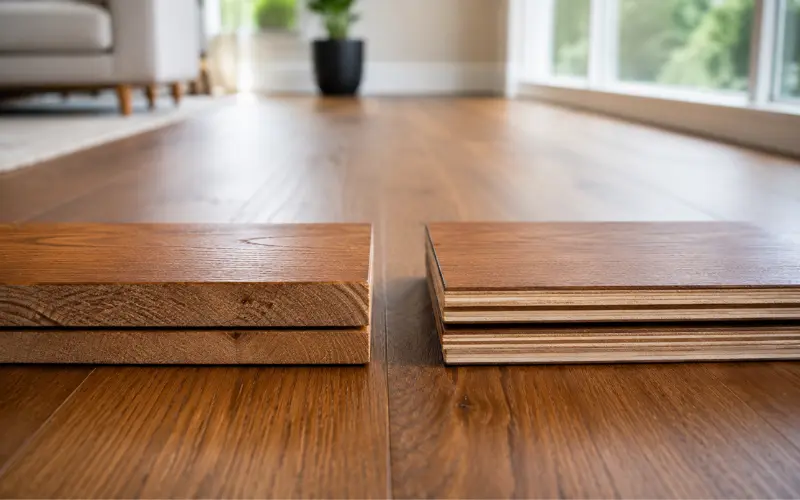
One of the first decisions you will face is whether to choose solid or engineered Awesome Timber Floors. Both are genuine hardwood, but they behave differently once installed.
Solid wood flooring is milled from a single piece of timber, top to bottom. It can be sanded and refinished many times, which makes it a long term investment. However, it expands and contracts with humidity, so it is not recommended for basements or rooms with heavy moisture.
Engineered wood flooring has a real wood veneer bonded over several layers of plywood or high density fiberboard. This construction makes it more dimensionally stable, so it copes better with humidity swings, works with underfloor heating, and can be installed below grade. Most engineered boards can still be refinished once or twice, just not as many times as solid wood.
A simple way to decide: choose solid wood for main living areas in a stable climate, and choose engineered boards for basements, apartments, or homes with radiant heating.
Popular Wood Species and What They Bring to a Room
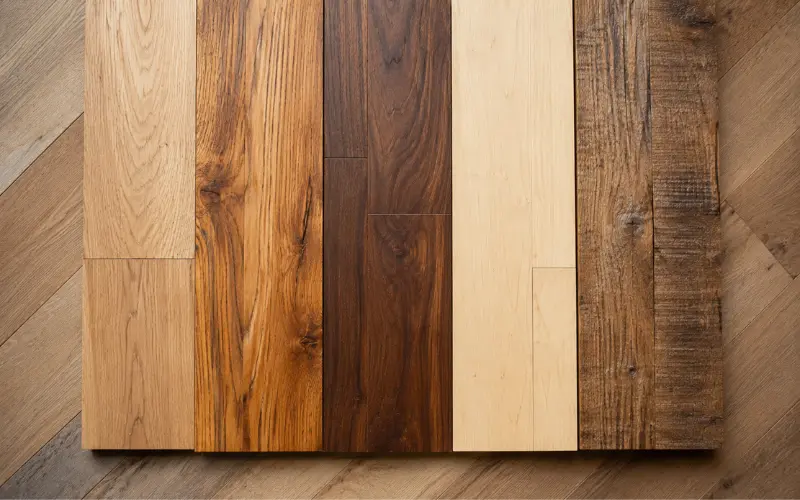
Not all Awesome Timber Floors look or perform the same way. The species you pick affects color, grain pattern, hardness, and price.
- Oak remains the most popular choice in the US. It is durable, takes stain evenly, and suits nearly every design style.
- Hickory is one of the hardest domestic woods, making it a smart pick for busy households with kids or pets.
- Walnut offers a rich, chocolate brown tone with minimal staining needed, though it is softer than oak.
- Maple has a smooth, subtle grain that works well in modern and Scandinavian inspired spaces.
- Reclaimed timber, salvaged from old barns, factories, and warehouses, brings texture, history, and a lower environmental footprint than newly milled wood.
Stains, Finishes, and Patterns That Elevate a Floor
Once you have chosen a species, the finish decides the final personality of the room.
Stain tone ranges from bleached whites to near black. Lighter stains open up small rooms and suit bright, airy interiors, while darker stains add drama and pair beautifully with pale walls.
Finish type matters as much as color:
- Oil finishes highlight the natural grain and are easy to spot-repair, though they need reapplying every year or two.
- Polyurethane finishes are more durable and low maintenance, holding up well in high traffic zones.
- Hand-scraped or wire-brushed textures hide small dents and scratches, a practical bonus for family homes.
Layout patterns also change how a floor reads. Herringbone and chevron patterns add a formal, tailored look, while wide, long planks create a calmer, more contemporary feel with fewer seams. Mixing plank widths is a growing trend for homeowners who want a floor with more visual movement.
What Awesome Timber Floors Actually Cost
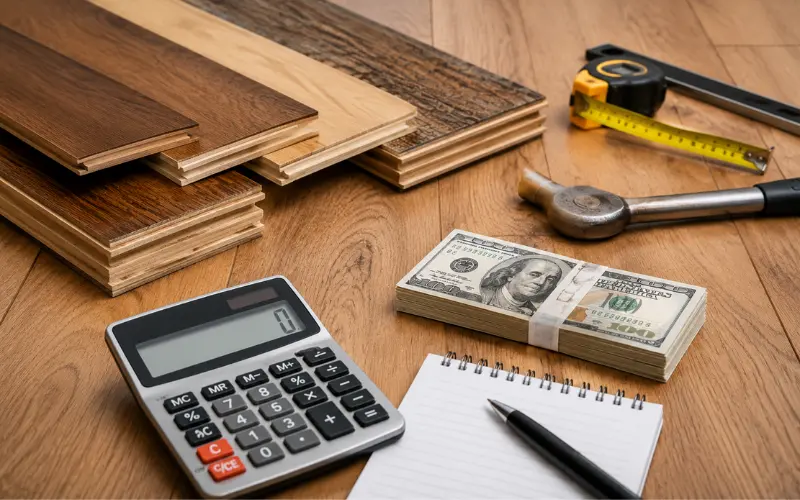
Most flooring articles skip straight past the number that matters most: budget. Here is a realistic breakdown for the US market.
- Solid oak flooring: roughly $8 to $15 per square foot installed.
- Engineered wood flooring: roughly $6 to $12 per square foot installed.
- Reclaimed or exotic species: often $12 to $25 per square foot installed, depending on rarity and milling.
- Refinishing an existing floor: typically $3 to $8 per square foot, far cheaper than full replacement.
Labor usually makes up 30 to 50 percent of the total project cost, so getting multiple quotes from local installers is worth the extra time.
Matching Timber Floors to Each Room
Not every room needs the same approach. Here is a quick, practical guide:
- Living and dining rooms: solid or engineered wood both work well; choose based on your subfloor and climate.
- Kitchens: engineered wood with a durable finish handles occasional spills better than solid wood.
- Bedrooms: almost any timber floor works, since foot traffic and moisture are lower here.
- Bathrooms and laundry rooms: generally best avoided for real wood; a wood-look tile or vinyl plank is the safer choice.
- Basements: engineered wood is the only sensible option, since solid wood reacts poorly to below grade moisture.
Caring for Your Timber Floors So They Last
A little routine care goes a long way toward protecting your investment.
- Sweep or vacuum with a hard floor setting several times a week to remove grit that scratches the surface.
- Wipe up spills immediately, since standing water is the fastest way to damage wood.
- Use furniture pads under chair and table legs, and felt protectors under heavier pieces.
- Keep indoor humidity between 35 and 55 percent to reduce gapping and cupping.
- Avoid steam mops, which force moisture into the seams and can warp boards over time.
- Plan to refinish solid wood every 7 to 10 years in high traffic homes, longer in lower traffic ones.
Sustainability: A Factor Competitors Often Skip
Sustainability deserves more attention than most flooring guides give it. Look for wood certified by the Forest Stewardship Council (FSC), which confirms it was harvested from responsibly managed forests. Reclaimed timber is another strong option, since it repurposes wood that would otherwise go to waste and requires no new tree harvesting at all. Bamboo, while technically a grass rather than a hardwood, is worth considering for its rapid regrowth, though it is softer and less suited to heavy traffic areas than oak or hickory.
Common Mistakes to Avoid
- Skipping acclimation: wood needs several days in the room where it will be installed before fitting, or boards may expand or shrink after installation.
- Ignoring the subfloor: an uneven subfloor causes squeaks and premature wear, no matter how good the wood itself is.
- Choosing finish before lighting: always view samples in the room’s actual lighting, since stain colors shift dramatically between warm and cool light.
- Overlooking expansion gaps: solid wood needs a small gap at the walls to move with the seasons; skipping this step can cause buckling.
Frequently Asked Questions
How long do Awesome Timber Floors typically last?
With proper care, solid wood floors can last 50 to 100 years, and engineered wood floors typically last 20 to 30 years before the wear layer needs replacing.
Are Awesome Timber Floors a good investment for resale?
Yes. Real estate data consistently shows that wood flooring is one of the features buyers request most often, and it can shorten time on market.
Can I install wood floors over concrete?
Solid wood generally should not be installed directly over concrete due to moisture risk. Engineered wood, however, is designed to handle this application well.
What is the difference between prefinished and site-finished wood floors?
Prefinished boards arrive with the stain and topcoat already applied, so installation is quicker and cleaner. Site-finished floors are sanded and coated after installation, allowing for custom stain matching but requiring more time.
Do hardwood floors work well with pets in the house?
Yes, especially harder species like hickory or oak with a durable polyurethane finish. Keeping nails trimmed and cleaning up accidents quickly also helps protect the surface.
How often should Awesome Timber Floors be refinished?
Most homes need refinishing every 7 to 10 years, though low traffic rooms can go longer and high traffic areas may need it sooner.
Is underfloor heating compatible with wood floors
Engineered wood is generally compatible with underfloor heating because of its stable, layered construction. Solid wood is far more prone to warping under these conditions.
What is the most budget-friendly Awesome Timber Floors option?
Engineered wood or softwood species like pine tend to be the most affordable, while reclaimed and exotic hardwoods sit at the higher end of the price range.
Final Thoughts
Awesome timber floors are one of the few home upgrades that pay you back in daily comfort and long term value. Take time to weigh solid against engineered options, pick a species and finish that suit your lifestyle, and budget realistically for both materials and labor. Done right, your timber floors will still be looking beautiful decades from now.

