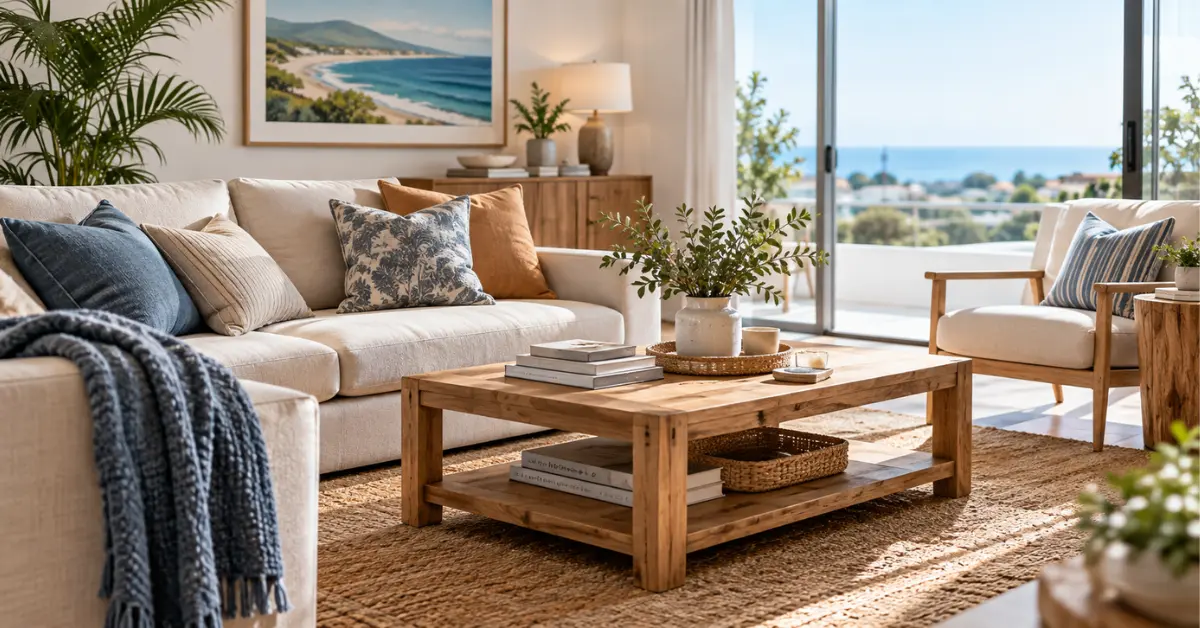
Home Decor Meaning choosing and arranging the furniture, textiles, lighting, artwork and small objects that sit inside a home, rather than the structure itself. It is the layer you can change on a weekend: a new rug, a swapped lamp, a gallery wall. Done well, it also solves real problems in a room, from glare and noise to a lack of storage, not just how the room photographs.
I have spent years sourcing and styling pieces for Australian homes, and the question I get asked most is not “what colour should I paint this wall.” It is “why doesn’t this room feel right, even though everything in it looks nice.” That gap between looking nice and feeling right is where the real meaning of home decor sits, and it is the part most guides skip entirely.
The Line Between Decor, Design and Renovation
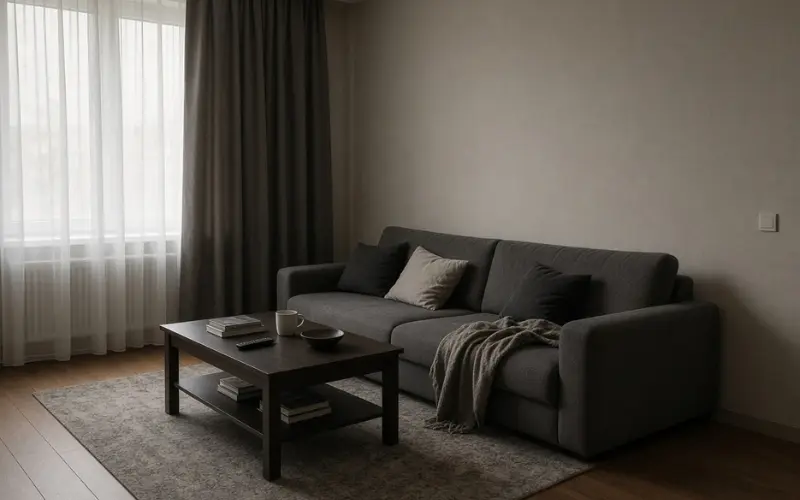
Confusing these three costs people money. I have seen a Sydney client spend close to $9,000 on a rangehood and cabinetry change when the actual problem was a dark, cluttered benchtop that a lamp and some open shelving would have fixed for under $300.
Here is the practical split I use with clients:
- Interior design deals with what is fixed to the building: wall placement, plumbing points, window sizes, built-in joinery. It usually needs a tradesperson, a permit, or both.
- Home decor is everything that is not fixed: sofas, curtains, cushions, wall art, lamps, rugs, vases and accessories. You could carry it out the front door in an afternoon.
- Interior styling is a separate professional skill again, arranging decor items to create a specific look for a set period, usually for a real estate campaign or a photo shoot rather than everyday living.
Expert callout: In my experience, most “my room looks wrong” complaints are actually decor problems wearing a design costume. Before booking a tradesperson, ask whether moving three pieces of furniture and changing the lighting would fix it. Nine times out of ten, it does.
A Quick Way to Tell Which Fix You Actually Need
| Symptom | Likely fix | Rough cost |
|---|---|---|
| Room feels dark or flat | Add a lamp, mirror or lighter curtain fabric | Decor, under $200 |
| Furniture blocks natural walking paths | Rearrange or downsize pieces | Decor, often free |
| No storage for everyday clutter | Add baskets, shelving or a sideboard | Decor, $100 to $600 |
| Layout doesn’t suit how you actually live | Reconsider room use, not just styling | Could be either, assess first |
| Damp, cracked walls or failing wiring | Structural repair | Design or trade work, $$$ |
What Actually Falls Under Home Decor
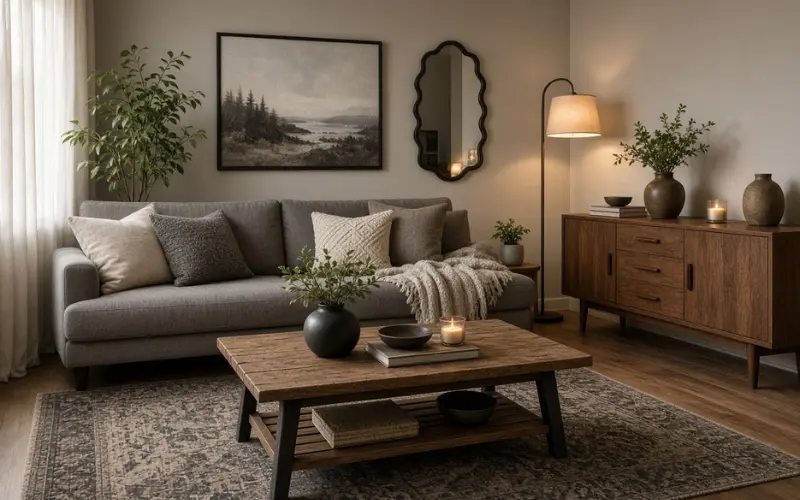
People are usually surprised at how wide this category runs. It covers anything that shapes the mood or comfort of a room without altering the structure:
- Furniture such as sofas, coffee tables, bedheads and sideboards
- Soft furnishings: cushions, throws, curtains and rugs
- Lighting you can plug in rather than wire in
- Artwork, mirrors and wallpaper
- Plants, ceramics, candles and small objects
- Textiles chosen for texture and durability, not just pattern
A quick test I use: if you can sell it on Marketplace without calling a tradesperson, it is decor. If removing it means patching a wall or rerouting a pipe, it is design.
Why the Meaning Shifts Once You Add Australian Conditions
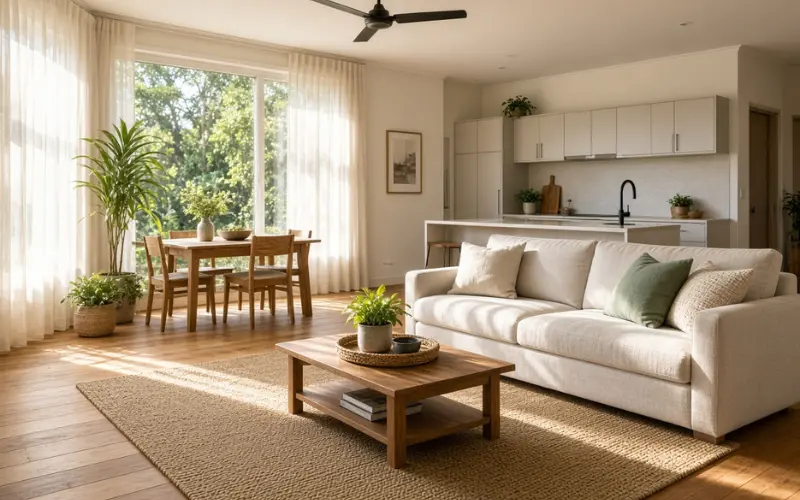
Most decorating advice online is written for European or American light and climate, and it shows the moment you try to apply it here. Australian rooms deal with pressures those guides never mention.
Strong UV exposure fades dark fabrics and timber finishes faster near north-facing windows. I have seen a $2,000 linen sofa lose its colour on one arm within eighteen months simply because it sat under unfiltered afternoon sun. Humidity in Queensland and northern New South Wales encourages mould in natural fibre rugs laid straight onto concrete slabs, so a moisture-barrier underlay matters more here than it would in a drier climate.
Open-plan living, common in newer Australian builds, also changes what decor needs to do. A sofa fabric or rug that only has to survive a formal lounge room in a UK terrace has a much easier life than one sitting in a kitchen-dining-living space that sees spilled sauce, muddy dog paws and daily foot traffic.
Practical scenario: A client in Townsville kept losing rugs to mildew every wet season. Switching from a jute weave to a flatweave polypropylene rug on a raised underlay solved it completely, at a lower cost than the jute rugs she kept replacing.
The Part Most Articles Leave Out: Renting and Body Corporate Rules
If you live in a rental or a strata-titled apartment, “home decor” is often the only legal way you can change your space at all. Painting a wall, replacing tiles or drilling into a shared brick wall can breach a lease or a body corporate by-law, and repairs come out of your bond or your pocket.
Decor sidesteps that entirely. Freestanding furniture, removable hooks rated for the weight of your art, floor rugs and plug-in lighting all fall outside most lease restrictions because nothing is fixed to the structure. If you are on a balcony covered by strata rules, check the by-laws before hanging anything outside the railing line; pot placement and screening are two of the most commonly disputed items in Australian apartment blocks.
Why It Affects How a Room Feels, Not Just How It Looks
Environmental psychologists describe something called prospect and refuge: people relax more easily when they can see the entry to a room while their back is against something solid. It is why the corner booth in a cafe fills up before the seat facing a blank wall. You can use the same instinct at home by turning an armchair so it faces the doorway rather than a wall.
There is also a nesting response, a drive to make a space feel safe and controllable rather than just attractive. It explains the wave of rearranging and redecorating that happened during lockdowns: people were suddenly spending all day in spaces that had never been asked to meet that need before.
None of this requires a design degree to apply. Moving your reading chair, adding a lamp within arm’s reach, and clearing one cluttered surface will usually do more for how a room feels than a new cushion cover ever will.
Building a Room That Works, Room by Room
Living areas: Anchor the space with a rug sized so at least the front legs of your main seating sit on it. A room without one tends to feel scattered, no matter how good the individual pieces are.
Bedrooms: Prioritise task lighting either side of the bed over a single central ceiling light. It clears the nightstands and gives you control over brightness without waking a partner.
Kitchens and dining zones: Let functional items do double duty. Open shelving with curated ceramics, a run of handcrafted pieces, or a well-placed pendant light adds warmth to a space that otherwise reads as purely practical.
Outdoor and alfresco areas: In most Australian homes, outdoor living is not an afterthought, it is where people actually spend their evenings. Weather-rated cushions, an outdoor rug and a couple of pot plants extend the same decorating logic outside without needing UV-resistant everything.
Sourcing Pieces That Have Some Character
New, matching furniture sets can make a room feel like a showroom rather than a home. Mixing in older or handmade pieces breaks that up. Solid timber, brass and stone age with use rather than against it, which is the opposite of most fast furniture. Browsing an online thrift store for home decor or sourcing from local makers tends to produce a more distinctive result than restocking from the same three retailers everyone else uses, and it is usually kinder to your budget too.
If you gravitate toward a specific look, styles such as coastal, oriental or rustic can be a useful reference point, but treat them as a direction rather than a checklist. A room that copies a style perfectly often reads as staged rather than lived in.
FAQ’s on Home Decor Meaning
What is the simple definition of home decor?
It is the selection and arrangement of movable items, furniture, textiles, lighting, art and small objects, used to shape how a room looks, feels and functions, without changing the building’s structure.
What is another word for Home Decor Meaning?
Interior decoration, home styling and homewares are the closest terms, though homewares in Australian retail usually leans toward smaller practical and decorative products rather than the overall scheme.
What is considered home decor versus furniture?
Furniture provides the core function of a room, seating, sleeping, storage. Decor refines the look and comfort around it. Some pieces, like a striking sideboard, do both jobs at once.
Does home decor include outdoor spaces?
Yes, and in Australia it usually should. Alfresco cushions, outdoor rugs, pot plants and weatherproof lighting count as decor and work best when they echo the tones used indoors.
How much should I budget for decorating a room?
There is no fixed figure, but spend more on high-contact items you use daily, a sofa, a mattress, a dining chair, and less on accessories you can change seasonally like cushions or a throw.
Can renters decorate without breaching their lease?
In most cases yes. Freestanding furniture, rated picture hooks, rugs and plug-in lighting typically fall outside standard lease restrictions because nothing is fixed to the property. Always check your specific lease before drilling or painting.
Does decor really affect mood, or is that just marketing?
It has a real basis. Natural light, clutter-free surfaces and a room arranged so you can see the entry rather than face a blank wall are all linked to lower stress in environmental psychology research, not just interior styling trends.
How do I know if a problem needs decor or renovation?
Ask whether the issue is something fixed to the building, like wiring, plumbing or wall placement, or something you could physically remove yourself. If you can remove it without a tradesperson, decor will usually solve it.