
The fastest way to filter quality home decor Melbourne listings is to sort by material description, seller return policy, and in-person reviews before price. Warehouse and clearance listings often hide the best deals, but only if you know which quality markers to check first. Skipping straight to the lowest price tag is how most buyers end up with decor that looks worn out within a season.
Melbourne, Florida sits on the Space Coast, and that location shapes what “quality” even means here. Salt air, humidity, and constant sun exposure wear down cheap materials fast. A listing that looks great in a photo can fade, warp, or rust within months if it wasn’t built for a coastal climate. That’s the piece most shopping guides for this area leave out entirely.
Why Melbourne’s Coastal Climate Changes What “Quality” Means
Most general Home Decor Melbourne guides treat quality as a universal checklist: solid wood, good stitching, sturdy joints. That’s true everywhere, but in Melbourne it’s incomplete.
I’ve walked into stores here and watched customers pick out rattan furniture or metal wall art without asking a single question about finish. Six months later, that same piece is peeling or spotted with rust.
Before you filter any listing, check for these coastal-specific markers:
- Powder-coated or marine-grade metal on anything that will sit near a window, patio, or lanai
- Sealed or treated wood, not raw or unfinished, especially for outdoor-adjacent pieces
- Mold-resistant fabric for cushions and upholstery, since Melbourne’s humidity runs high most of the year
- UV-stable finishes on painted or dyed items, since direct Florida sun bleaches color faster than most buyers expect
If a listing doesn’t mention any of this, ask the seller directly. A vague answer is usually a sign the piece wasn’t made with this climate in mind.
Sorting Warehouse, Outlet, and Clearance Listings the Right Way
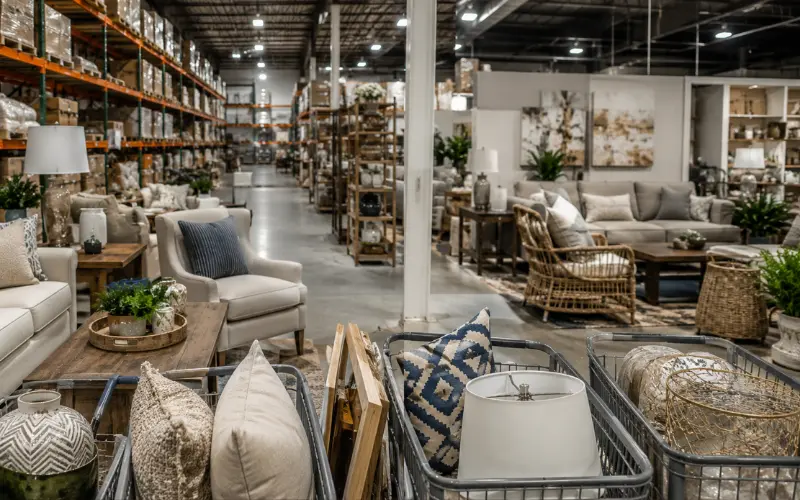
Melbourne has a decent mix of big-box home stores, boutique shops, and warehouse-style outlets. Each one filters differently, and treating them the same is where most people lose money.
A home decor warehouse typically moves overstock and discontinued lines fast, which means pricing is aggressive but selection changes weekly. If you’re filtering warehouse listings, focus on the manufacturing batch date if it’s listed. Older stock sitting in a warehouse for a year or more is more likely to have sun damage or dust wear, even if it’s technically unused.
An outlet listing usually means slightly imperfect or last-season pieces sold at a markdown. These are worth filtering for if the flaw is cosmetic and hidden, like a scuff on a chair leg that faces the wall. Skip anything with structural flaws regardless of the discount.
Clearance sections move the fastest and have the least consistency. My rule: only buy clearance decor in person, never sight-unseen online, unless the seller offers a real return window. Photos on clearance listings are often outdated by the time you see them.
Expert note: I’ve found that the fastest way to spot a mislabeled “clearance” item is checking whether the SKU still matches the current-season catalog. If it does, it’s not clearance, it’s just discounted regular stock, and the quality bar should be identical to full-price.
Comparing Local Shops vs. Online Marketplaces

Home Decor Melbourne shoppers usually split between browsing boutique stores downtown and ordering online. Each has different filtering risks.
| Shopping Method | Biggest Filtering Risk | What to Check First |
|---|---|---|
| Boutique/local shop | Higher markup, limited stock | Touch the material, check joints in person |
| Big-box home store | Mass-produced, inconsistent QC | Read the most recent reviews, not the top-rated ones |
| Online marketplace | No way to inspect before buying | Seller return policy, actual buyer photos |
| Warehouse/outlet | Older or damaged stock | Manufacturing date, cosmetic vs. structural flaws |
This table isn’t about ranking one method as “best.” It’s about knowing which risk you’re accepting before you commit, so you can filter accordingly.
Reading Between the Lines on Price Tiers
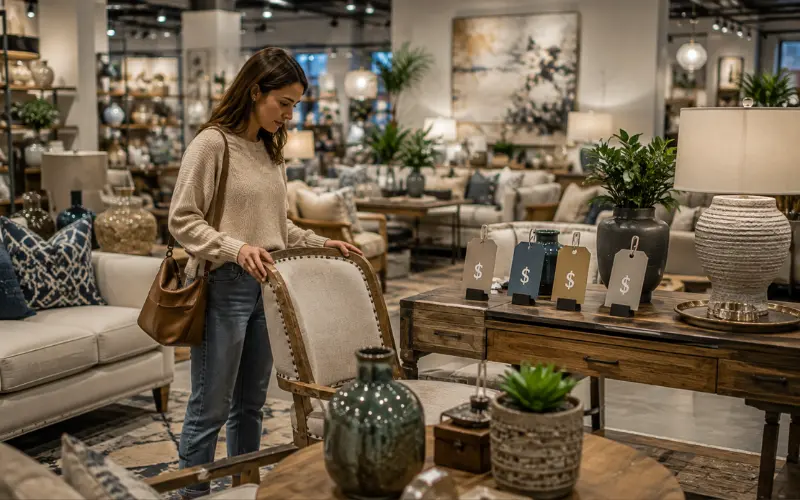
The keyword variations people search around this topic, cheap, discount, best, and luxury, aren’t just price labels. They signal different quality expectations, and listings don’t always match the label honestly.
- Cheap listings often mean particleboard construction dressed up with a nice finish coat. Fine for a rental or short-term space, risky for anything you plan to keep past a year.
- Discount listings are usually name-brand pieces sold below MSRP, which is a genuinely good filter target if the brand has a track record.
- Best rated listings depend entirely on who’s rating them. Cross-check review counts against review recency. A shop with 500 reviews from 2019 tells you less than one with 40 reviews from this year.
- Luxury listings should come with material certifications or maker documentation. If a seller can’t tell you where a “luxury” piece was manufactured, treat the price tag skeptically.
If you’re leaning toward higher-end pieces, luxury home decor shopping in Melbourne rewards patience. The best pieces rarely show up in the first page of search results because smaller studios don’t invest heavily in SEO the way big retailers do.
Where Coastal and Handmade Pieces Fit In
Melbourne’s shopping scene leans coastal, and for good reason. Buyers here want decor that fits a beach-adjacent lifestyle without looking dated in five years.
If coastal home decor is what you’re filtering for, look past the obvious seashell-and-rope aesthetic. The stronger pieces use texture and neutral tone rather than literal beach imagery, which ages better and resells better if you ever move.
Handmade and small-batch pieces are worth a specific filtering approach too. A handcrafted home decor listing should include the maker’s name or studio, not just “artisan-made” as marketing copy. Real artisan sellers are usually proud to be named. Vague sourcing is a red flag worth trusting.
Expert note: In my own filtering process, I weight maker transparency almost as heavily as material quality. A seller who hides who actually made the piece is usually hiding something about how it was made, too.
Filtering Out Overpriced “Trendy” Listings
Trend-driven decor sells fast in Melbourne because of the steady flow of new residents furnishing homes for the first time in the area. That demand inflates prices on items that aren’t actually rare or well-made, just currently popular.
Before buying anything trend-labeled, check:
- Whether the same design appears under three or more different brand names at different price points (usually means mass manufacturing, not a limited design)
- Whether the listing photos are studio shots only, with no real customer photos anywhere
- Whether the price has stayed flat for months despite “limited stock” language
None of these disqualify a purchase automatically. They just tell you whether you’re paying for scarcity that’s real or scarcity that’s marketing.
FAQs on Home Decor Melbourne
Is home decor cheaper in Melbourne, FL than nearby cities like Orlando?
Generally close to on par, though warehouse and outlet pricing tends to run slightly lower in Melbourne due to less retail competition than larger metro areas nearby.
What’s the best time of year to find discount Home Decor Melbourne?
Late summer and post-holiday clearance in January typically bring the deepest markdowns, since retailers reset inventory ahead of new seasonal lines.
Do I need to worry about humidity damage on indoor-only decor?
Yes, especially untreated wood and fabric upholstery. Melbourne’s indoor humidity still runs higher than most inland US cities without proper climate control.
Are online home decor marketplaces reliable for Melbourne buyers?
They can be, as long as you filter for sellers with clear return policies and recent buyer photos, not just studio images.
How do I know if a “warehouse” listing is actually a good deal?
Check the manufacturing or batch date if available, and compare the listed price against the same item’s current full-price version elsewhere.
What should I avoid buying secondhand for coastal Home Decor Melbourne?
Untreated wood furniture and non-mold-resistant upholstery are the riskiest secondhand buys given local humidity levels.
Is luxury Home Decor Melbourne worth the markup?
It can be, if the seller provides real material sourcing or maker documentation. Without that, you’re often paying for branding rather than build quality.
Where can I find unique, non-mass-produced decor pieces in Melbourne?
Smaller boutique shops and artisan sellers typically carry more original pieces than big-box retailers, though they require more in-person browsing to find.

