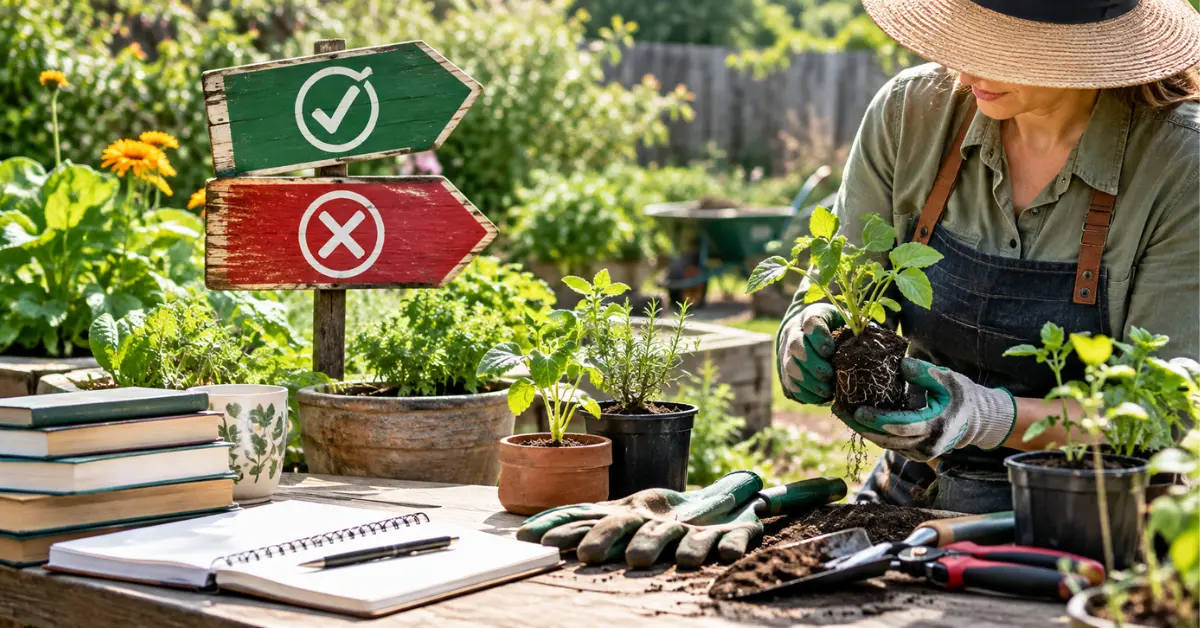
Distinguishing valuable gardening skills from internet myths requires testing methods against core plant science, local climate realities, and soil biology. Real gardening mastery relies on observing soil moisture, understanding seasonal growth cycles, and applying targeted techniques like proper pruning and soil conditioning rather than relying on viral “quick fixes.”
Expert Insight: In Australian conditions, half of the “hacks” circulating online cause long-term damage. Spraying vinegar on weeds destroys soil microbes, and adding salt disrupts osmotic pressure in native soils. Focus on core botanical principles rather than quick social media trends.
The Core Gardening Skills That Actually Matter
To cultivate a thriving plot, skip the trend-driven hacks and concentrate on foundational skills grounded in plant physiology.
- Soil Texture and Structure Assessment: Learning to feel the difference between heavy clay, fast-draining sand, and balanced loam allows you to modify soil correctly before planting.
- Precision Pruning: Knowing where to cut (just above an outward-facing bud node) prevents disease entry and directs growth energy where it is needed most.
- Water Management & Moisture Checks: Testing root-zone depth with a finger or moisture probe beats rigid watering schedules every time, especially during intense hot spells.
- Integrated Pest & Weed Management: Identifying beneficial insects versus destructive pests ensures you treat issues without destroying local ecosystems.
- Planting & Root Handling: Teasing out bound roots before planting helps plants establish strong roots, whether setting up a veggie patch or planning organic gardening solutions.
Debunking Common Australian Gardening Myths
Social media is full of questionable advice. Here is how popular home remedies stack up against established horticultural science.
| Gardening Myth | The Science-Based Reality | Better Alternative |
| Epsom salts for every plant | Adds unnecessary magnesium, causing nutrient imbalances unless a laboratory soil test confirms a specific deficiency. | Apply a balanced organic fertilizer or well-rotted compost. |
| Gravel in the bottom of pots | Raises the perched water table inside the container, increasing the risk of root rot rather than improving drainage. | Use high-quality potting mix throughout the entire container, ensuring clear drainage holes. |
| Eggshells for instant calcium | Whole or crushed eggshells take years to decompose and become available to plant roots. | Add pulverized eggshells to active compost piles or use agricultural lime if soil acidity requires adjustment. |
| Baking soda for powdery mildew | High concentrations burn foliage and build up sodium levels in the soil over time. | Use horticultural potassium bicarbonate or a milk-and-water spray during early morning sun. |
How to Test and Improve Your Skills
Refining your gardening expertise requires observation and structured record-keeping.
Establish a Gardening Journal
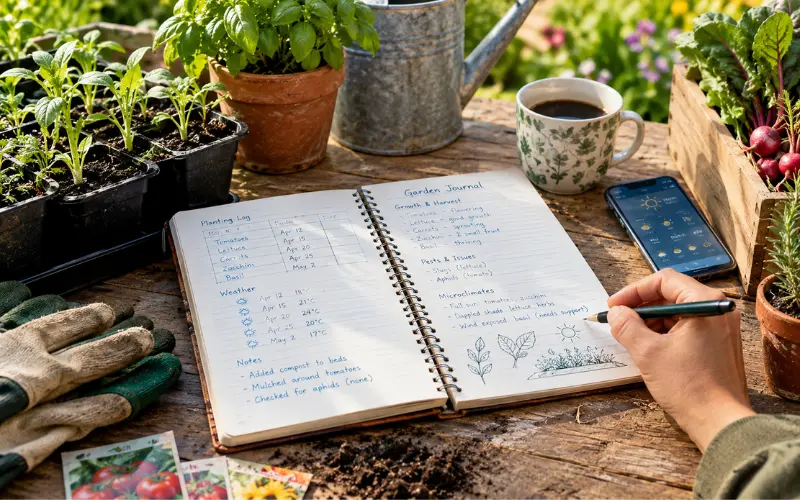
Track seasonal changes, sowing dates, pest outbreaks, and yield results. Documenting microclimates across your yard helps you select the right plants for full sun, dappled shade, or wind-exposed areas. A structured gardening journal guide
provides an excellent framework for recording weather events and soil amendments across multiple seasons.
Master Soil Preparation
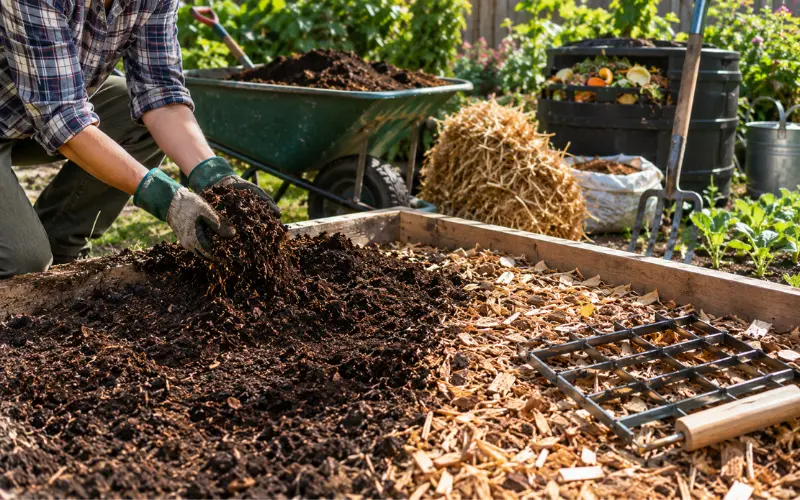
Before spending money on expensive specimens, focus on building living soil. Work organic matter into the top layers, mulch generously with straw or woodchips to conserve moisture, and avoid tilling whenever possible to protect the soil food web. For those working with compact spaces or raised beds, using a square foot gardening tool
helps calculate spacing accurately without overcrowding plants.
Learn Regional Planting Times
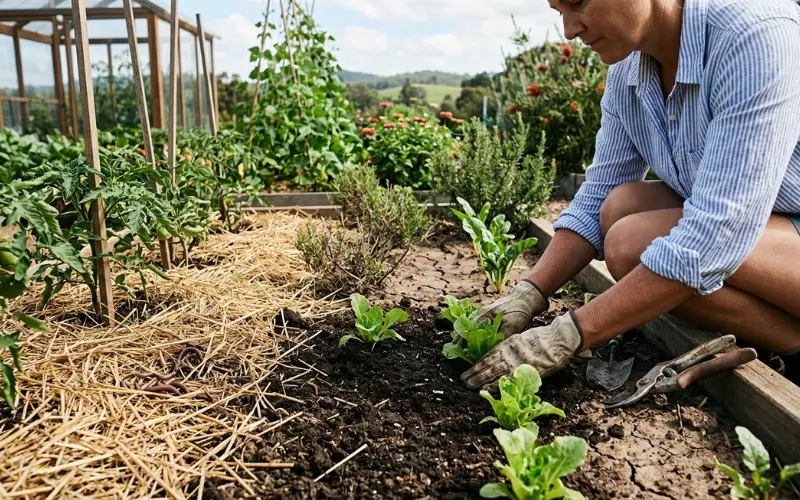
Gardening advice from overseas rarely applies directly to local Australian climate zones. Temperate southern regions require different planting schedules than subtropical or tropical areas. Understanding your local frost dates, rainfall patterns, and summer heat thresholds ensures you sow seeds when conditions favor germination. If you are managing region-specific challenges like heat and sandy conditions, reviewing a targeted Florida gardening
approach offers practical insights into warm-climate soil retention and heat management.
Field Note: When working with dry or compacted clay soils, avoid heavy digging in the middle of summer. Mulch deeply in late autumn, allowing earthworms and natural moisture to break down hard ground before spring planting.
Professional vs. Practical Gardening Skills
Understanding what kind of skill set Gardening Skills represents helps whether you cultivate a backyard or pursue a career. Horticultural skills sit at the intersection of practical trade knowledge, biological science, and physical endurance.
Resume & Career Qualities
If you are looking at commercial work or listing skills on a resume, employers value specific technical proficiencies:
- Horticultural Knowledge: Plant identification, pest/disease diagnosis, and soil management.
- Equipment Operation: Safe use of mowers, trimmers, irrigation controllers, and hand tools.
- Physical Stamina & Problem-Solving: Adapting to weather changes, troubleshooting irrigation lines, and performing repetitive physical tasks efficiently.
For those managing commercial properties, hiring specialized commercial gardening services
ensures large-scale grounds maintenance meets professional environmental standards.
Specialized Gardening Approaches
Adapting your skills to your specific space is essential for long-term success:
- Small Space & Balcony Gardening: Urban growers need strategies tailored to container weight limits, wind exposure, and sunlight restrictions. Following a structured apartment gardening guide helps select suitable compact varieties and efficient container systems.
- Raised Garden Beds: Utilizing sturdy gardening boxes guide methods keeps soil contained, improves accessibility, and provides precise control over soil mix composition.
- Tool Care & Selection: Maintaining sharp, clean blades on pruners reduces plant stress and prevents disease transmission. Sourcing quality vintage gardening tools or durable modern hand tools makes physical tasks significantly easier.
- Comfort & Ergonomics: Prolonged kneeling on hard surfaces leads to physical strain. Using dedicated gardening mats with knee pads protects joints during long weeding or planting sessions.
Frequently Asked Questions
What kind of Gardening Skills?
Gardening is a multi-disciplinary practical skill that combines biological science, physical manual labor, observation, and environmental design. It encompasses soil chemistry, botany, weather tracking, and practical hand tool operation.
What are the most essential gardening skills for beginners?
The core skills for beginners are assessing soil moisture correctly, understanding plant sun requirements, knowing how to plant without burying the root crown, basic weed identification, and proper pruning technique.
How can I tell if online gardening advice is trustworthy?
Cross-reference advice against agricultural extension services or local horticultural societies. Be cautious of quick-fix remedies claiming single household ingredients can cure complex pest issues or double plant growth overnight.
What are the main qualities of a good gardener?
A successful gardener demonstrates patience, strong observational skills, consistency in routine care, adaptability to changing weather conditions, and a willingness to learn from failed crops or plant losses.
How do I improve my gardening skills quickly?
Improve fastest by focusing on one crop or plant group at a time, keeping a detailed log of your activities, testing your soil, and seeking advice from local nurseries or community gardens in your specific climate zone.
What tools are essential for basic gardening skill development?
Start with a sharp pair of bypass secateurs, a sturdy hand trowel, a spade, a quality hose with a spray nozzle, a pair of durable gloves, and a soil testing kit to check pH levels.