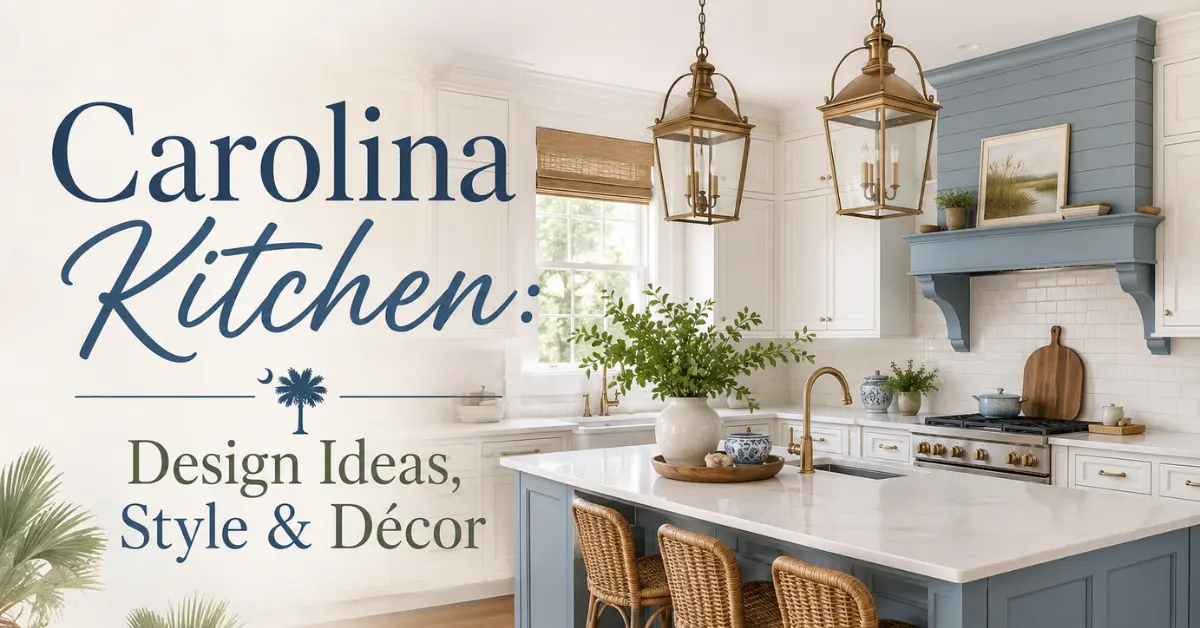
There is something about a Carolina kitchen that instantly feels like home. It is warm, welcoming, and alive with character. Whether you live in the Carolinas or simply love the style, a Carolina kitchen brings the best of southern comfort into your everyday cooking and gathering space. In this guide, you will discover everything you need to know — from layout ideas and color palettes to materials, lighting, and décor — to build or refresh your own Carolina kitchen.
What Is a Carolina Kitchen?
A Carolina kitchen is a design style rooted in the traditions of North and South Carolina. It blends rustic southern charm with practical, functional design. Think farmhouse sinks, warm wood tones, open shelving, and natural stone surfaces — all working together to create a space that feels cozy yet sophisticated.
Unlike purely modern or industrial kitchens, a Carolina kitchen feels lived-in and personal. It celebrates handcrafted details, natural materials, and a layout that brings people together. It is not just a place to cook — it is the heart of the home.
Key Design Elements of a Carolina Kitchen
1. Warm, Earthy Color Palette
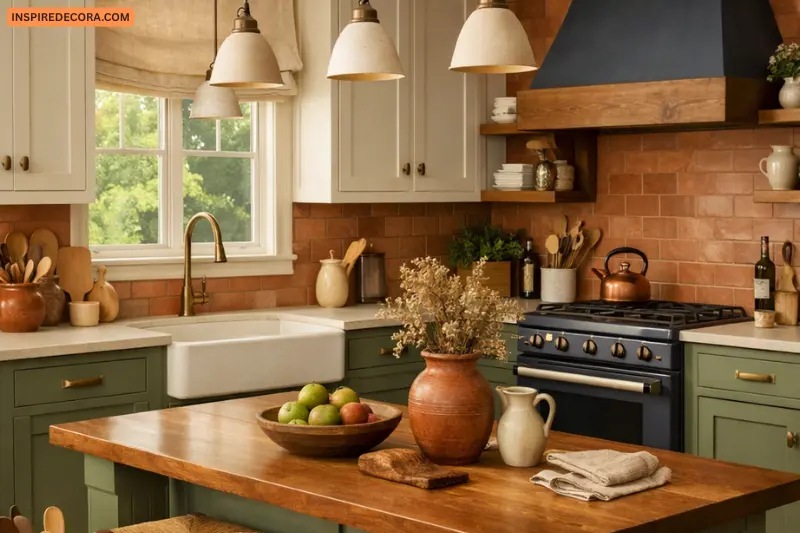
Color sets the mood in any Carolina kitchen. Southern-inspired kitchens lean toward natural, calming tones that reflect the region’s landscape.
- Sage green — fresh and grounded, inspired by Carolina’s lush forests
- Warm beige and cream — soft and timeless, perfect for cabinets or walls
- Deep navy or slate blue — adds a bold, refined contrast
- Terracotta and clay — earthy warmth that pairs beautifully with wood
- Off-white and ivory — classic southern elegance
Avoid overly bright or cold colors. A Carolina kitchen should feel like a warm hug, not a showroom.
2. Natural Wood Cabinets and Accents
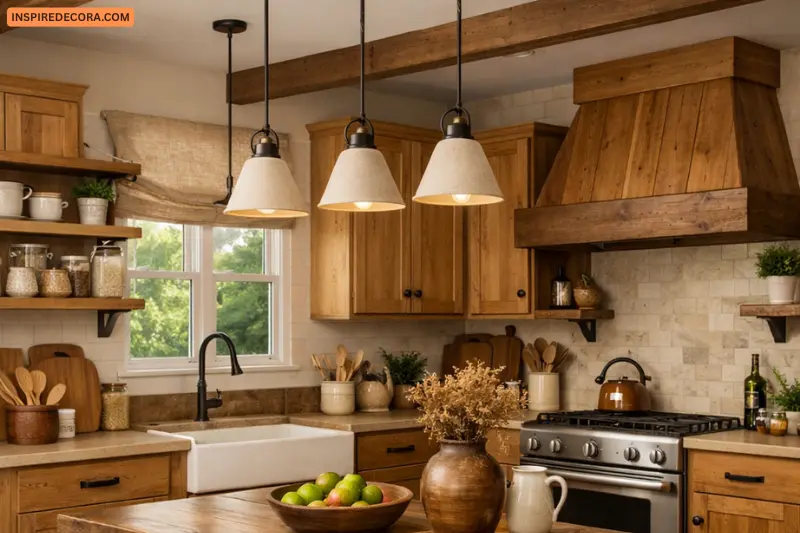
Wood is the backbone of a Carolina kitchen. Shaker-style cabinets in natural oak, hickory, or painted white wood are the most popular choices. Reclaimed wood adds history and texture, giving your kitchen a story to tell.
Consider these ideas:
- Open wood shelving to display dishes, jars, or plants
- A reclaimed wood kitchen island or breakfast bar
- Exposed ceiling beams for a rustic, southern farmhouse feel
- Wood drawer pulls or cabinet hardware in a matte finish
3. Farmhouse Sink
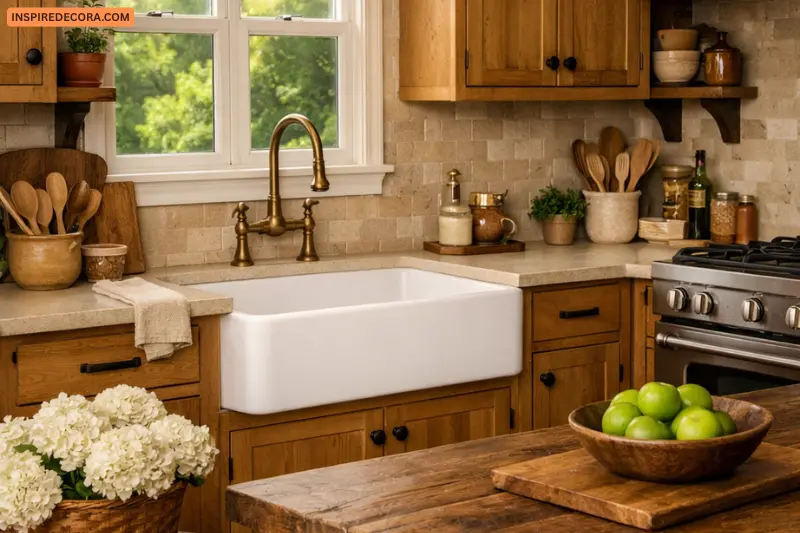
No Carolina kitchen is complete without a farmhouse sink — also called an apron-front sink. This is one of the most iconic design features of southern kitchens. It is both beautiful and highly functional. Deep basins make washing large pots easy, and the exposed front adds a handcrafted, old-world charm.
Choose a white porcelain, fireclay, or matte black farmhouse sink depending on your color scheme.
4. Stone or Butcher Block Countertops
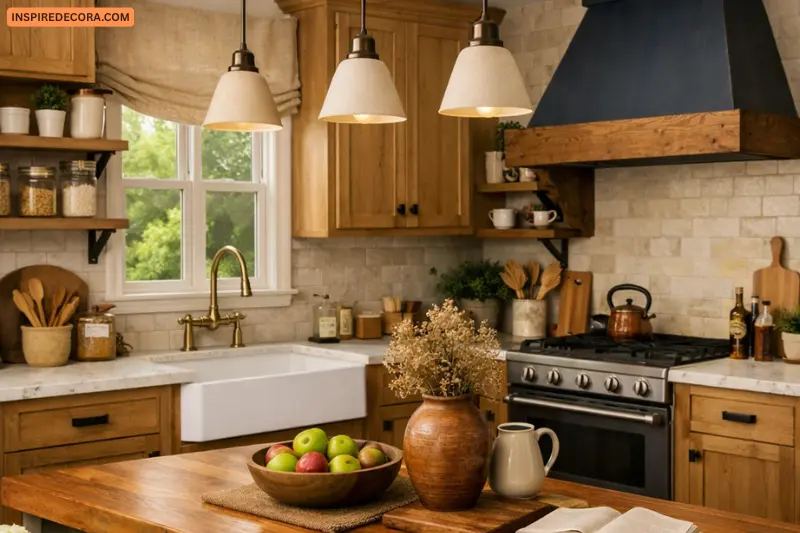
Natural materials work best in a Carolina’s kitchen. The top countertop choices are:
- Quartz or granite — durable, easy to clean, and beautiful in white or gray tones
- Marble — luxurious and classic, great for baking stations
- Butcher block — warm and rustic, ideal for islands or prep areas
- Soapstone — dark, moody, and uniquely southern
Mixing two countertop materials — such as quartz on perimeter counters and butcher block on the island — is a popular Carolina’s kitchen design trend.
5. Open Layout and Flow
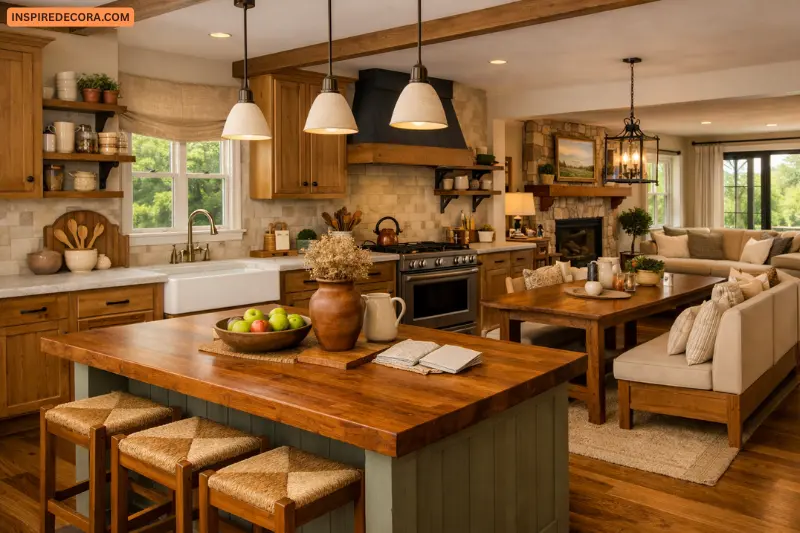
A Carolina kitchen embraces open, communal living. The layout should encourage movement and conversation. An open-concept design that flows into the dining area or living room works perfectly for this style.
Key layout tips:
- Position the island centrally so people can gather around it
- Keep pathways wide — at least 42 inches — for easy movement
- Place the sink near a window for natural light and a pleasant view
- Create a defined breakfast nook with bench seating for a casual, cozy corner
6. Vintage and Antique-Inspired Fixtures
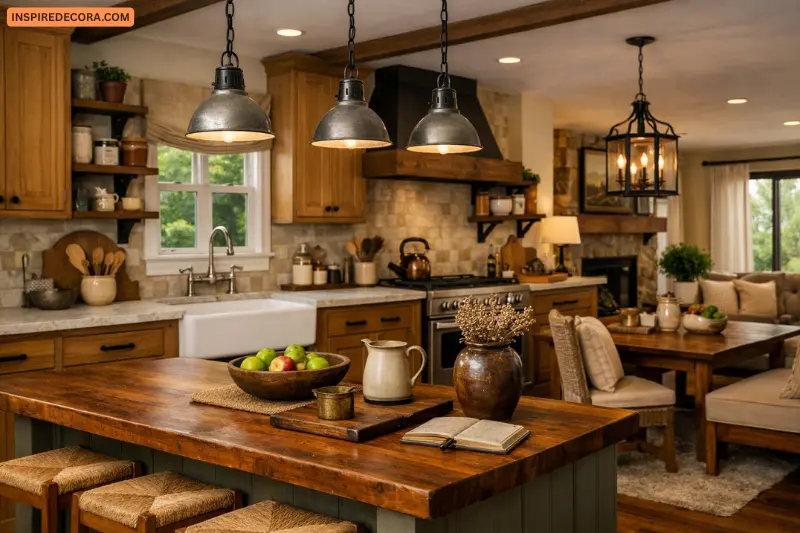
Lighting and hardware make a huge difference in a Carolina’s kitchen. Go for fixtures that feel timeless and handcrafted:
- Pendant lights in aged brass, black iron, or galvanized metal over the island
- Lantern-style ceiling fixtures for a southern porch feel
- Cabinet hardware in brushed nickel, antique bronze, or matte black
- Vintage faucets with cross handles or bridge-style designs
These small details add personality and elevate the entire space.
Carolina Kitchen Layouts That Work Best
Not every kitchen layout suits every home, but these are the most popular arrangements in Carolina kitchen design:
- L-Shaped Layout — Great for small to medium kitchens. It creates an efficient work triangle and leaves room for a dining table nearby.
- U-Shaped Layout — Ideal for larger kitchens. It maximizes counter space and storage, perfect for families who cook together.
- Galley Layout — Works well in narrow spaces. Add open shelving and warm lighting to keep it from feeling cramped.
- Open-Concept with Island — The most popular Carolina’s kitchen style. The island acts as a social hub for cooking, eating, and entertaining.
Materials That Define the Carolina Kitchen Style
Choosing the right materials transforms an ordinary kitchen into a true Carolina kitchen. Here is a quick guide:
| Surface | Best Material Options |
|---|---|
| Cabinets | Shaker-style wood, painted white, or natural oak |
| Countertops | Quartz, butcher block, marble, or soapstone |
| Backsplash | Subway tile, handmade ceramic, or natural stone |
| Flooring | Wide-plank hardwood, terracotta tile, or luxury vinyl plank |
| Sink | Fireclay farmhouse, white porcelain, or cast iron |
Natural, sustainable materials are always the best choice. They look better with age and connect your kitchen to the Carolina landscape.
Carolina Kitchen Backsplash Ideas
The backsplash is one of the most expressive elements in a Carolina’s kitchen. Here are the best options:
- White subway tile — clean, classic, and endlessly versatile
- Handmade ceramic tile — imperfect edges and varied glaze add artisan charm
- Brick or whitewashed brick — deeply southern and full of character
- Shiplap paneling — a nod to coastal Carolina farmhouse style
- Natural stone mosaic — adds texture and earthy beauty behind the range
Flooring for a Carolina Kitchen
The floor anchors the entire design. In a Carolina kitchen, these flooring options feel most at home:
- Wide-plank hardwood in warm honey or medium brown tones
- Terracotta or saltillo tile for a warm, Mediterranean-southern crossover
- Patterned cement tile in muted, earthy tones for a vintage look
- Luxury vinyl plank (LVP) — a practical, budget-friendly option that mimics hardwood beautifully
Always finish hardwood floors with a matte or satin finish, not glossy — it suits the understated elegance of the Carolina kitchen style.
How to Add Southern Personality to Your Carolina Kitchen
The details are what truly bring a Carolina’s kitchen to life. Here are some easy ways to add authentic southern personality:
- Display fresh herbs in small terracotta pots on the windowsill
- Hang a wrought-iron pot rack above the island
- Use woven baskets for fruit, bread, or storage
- Add a chalkboard wall or chalkboard-painted cabinet for notes and recipes
- Keep a wooden cutting board on the counter as both a tool and décor piece
- Layer rugs — a worn, patterned runner in front of the sink adds warmth and texture
- Use open shelving to display vintage dishes, mason jars, and cookbooks
These touches are what separate a decorated kitchen from a truly loved one.
Carolina Kitchen vs. Other Southern Kitchen Styles
It helps to know how a Carolina kitchen differs from similar styles:
| Style | Key Features | Difference from Carolina Kitchen |
|---|---|---|
| Farmhouse | Barn doors, shiplap, white everywhere | Carolina style is warmer, uses more color and wood tone |
| Coastal Southern | Whitewashed wood, sea glass tones | More beachy; Carolina is more woodland and earthy |
| Country Kitchen | Dark oak cabinets, heavy curtains | More dated; Carolina kitchen is lighter and airier |
| Modern Farmhouse | Clean lines, black hardware | Carolina style is softer and more rustic |
A Carolina kitchen sits comfortably between rustic charm and refined southern taste.
Budget-Friendly Carolina Kitchen Updates
You do not need a full renovation to get the Carolina kitchen look. These updates can transform your space without breaking the bank:
- Paint your cabinets in a warm cream, sage green, or navy — a weekend project that makes a massive difference
- Swap out hardware — replace old knobs with antique bronze or matte black pulls
- Add open shelving — remove a few upper cabinet doors and style the shelves with beautiful dishes
- Install a new faucet — a bridge-style or vintage farmhouse faucet is surprisingly affordable
- Upgrade your lighting — pendant lights over the island cost under $100 and completely change the mood
- Add a runner rug — warm, patterned rugs instantly make kitchens feel more southern and cozy
Carolina Kitchen Design Mistakes to Avoid
Even the best intentions can go wrong. Avoid these common mistakes:
- Using too many cool tones — gray and stark white feel cold, not southern
- Ignoring natural light — always prioritize window placement and avoid heavy curtains
- Overcrowding the island — leave room for people to gather, not just for storage
- Skipping texture — a beautiful Carolina’s kitchen layers wood, stone, ceramic, and fabric
- Matching everything too perfectly — a little mismatch feels authentic and personal
Frequently Asked Questions About Carolina Kitchen Design
1. What makes a Carolina kitchen different from a regular farmhouse kitchen?
A Carolina’s kitchen is specifically rooted in the design traditions of the Carolinas. It uses warmer color palettes, more natural wood tones, and earthy textures compared to the stark white-and-shiplap look of generic farmhouse kitchens. It also tends to incorporate regional influences like terracotta tile, vintage southern fixtures, and a more relaxed, communal layout.
2. What colors work best in a Carolina kitchen?
The best colors for a Carolina’s kitchen are warm and nature-inspired. Sage green, warm beige, soft cream, deep navy, terracotta, and off-white are all excellent choices. These tones reflect the natural landscapes of the Carolinas and create a calm, welcoming atmosphere.
3. Do I need a farmhouse sink for a Carolina kitchen?
A farmhouse sink is one of the most iconic elements of the Carolina kitchen style, but it is not strictly required. If your budget or plumbing does not allow for it, you can achieve the same feel with a deep undermount sink and a vintage bridge faucet in antique brass or matte black.
4. What type of countertop is best for a Carolina kitchen?
Butcher block and quartz are the two most popular countertop materials for a Carolina’s kitchen. Butcher block brings warmth and a handcrafted feel, while quartz offers durability and a clean look. Many homeowners combine both — using quartz for perimeter counters and butcher block for the island.
5. Can I achieve the Carolina kitchen style on a tight budget?
Absolutely. The most impactful budget-friendly upgrades are painting your cabinets, swapping out hardware, adding pendant lighting, and styling open shelves. These changes alone can completely transform the feel of your kitchen without a full renovation.
6. Is the Carolina kitchen style suitable for small kitchens?
Yes. A Carolina’s kitchen works beautifully in smaller spaces. Use light colors, open shelving instead of upper cabinets, and natural light to make the space feel larger. An L-shaped or galley layout keeps things functional without feeling cramped.
7. What flooring is most authentic for a Carolina kitchen?
Wide-plank hardwood flooring in warm honey or medium brown tones is the most authentic choice. Terracotta tile is also a beautiful option for a warmer, more earthy feel. If you are on a budget, luxury vinyl plank in a wood look is a practical alternative that still delivers the Carolina aesthetic.
8. How do I add personality to my Carolina kitchen without remodeling?
Focus on the accessories and styling. Add fresh herbs on the windowsill, use woven baskets for storage, display vintage dishware on open shelves, hang a pot rack, and layer in a patterned kitchen runner. These small touches bring the space to life instantly.
9. What lighting style suits a Carolina kitchen best?
Pendant lights in aged brass, matte black, or galvanized metal work best over the island. For overhead lighting, lantern-style fixtures give a nod to southern porch aesthetics. Always prioritize warm-toned bulbs — they enhance the earthy, cozy atmosphere of a Carolina kitchen.
10. Is the Carolina kitchen style trending in 2025 and beyond?
Yes. As homeowners move away from cold, all-white kitchens, warm and nature-inspired styles like the Carolina’s kitchen are growing in popularity. The emphasis on natural materials, earthy colors, and communal spaces aligns perfectly with the current desire for homes that feel personal, grounded, and welcoming.
Final Thoughts
A Carolina kitchen is more than a design trend — it is a way of living. It prioritizes warmth, community, craftsmanship, and a deep connection to nature and tradition. Whether you are building from scratch, remodeling, or simply refreshing your space with a few new touches, the Carolina kitchen style gives you a timeless foundation to work from.
Start with the colors that feel right, choose materials that age beautifully, and fill your space with the details that make it yours. That is the true spirit of a Carolina kitchen — and once you have it, your kitchen will never feel cold or impersonal again.