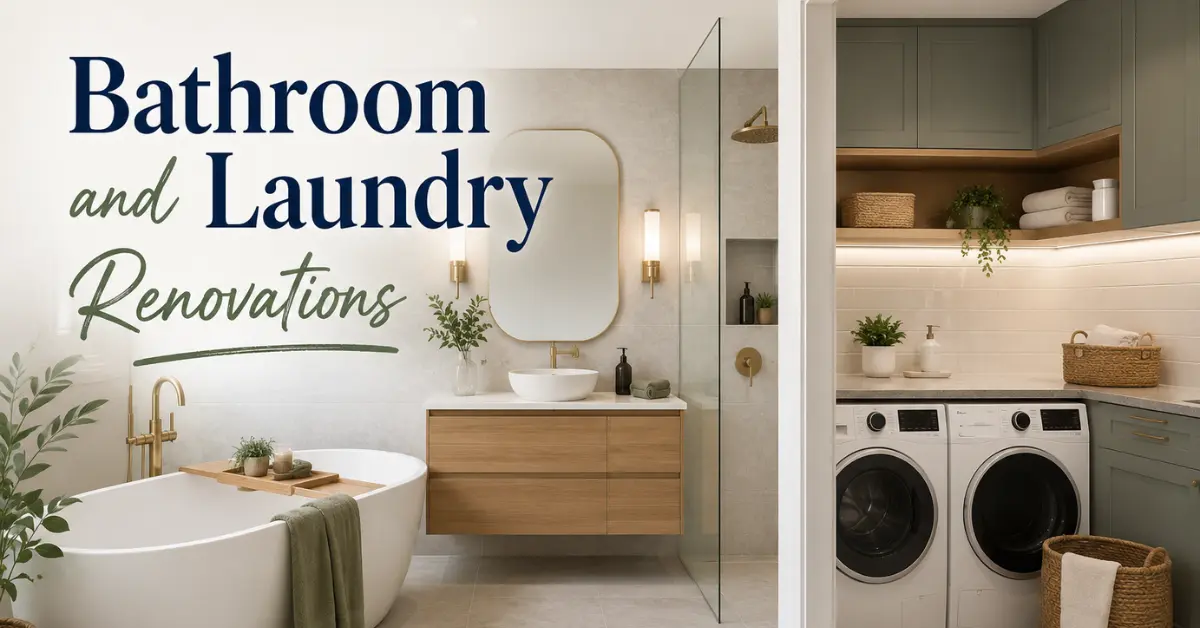
If you’ve been putting off your bathroom and laundry renovations, you’re not alone. These two spaces are among the most used rooms in any home, yet they’re often the last to get the love they deserve. The good news? A well-planned renovation transforms both areas into functional, beautiful spaces — and adds real value to your home.
This guide covers everything: design ideas, cost breakdowns, combo layouts, common mistakes, and storage hacks your competitors won’t tell you about.
Why Bathroom and Laundry Renovations Are Worth the Investment
Updated bathrooms and laundry rooms do more than look good. They improve your daily routine, reduce water and energy bills, and boost your property’s resale value.
Here’s what the numbers say:
- A mid-range bathroom renovation returns roughly 60–70% of its cost at resale.
- A laundry room remodel increases buyer appeal and can make your home sell faster.
- Energy-efficient fixtures and appliances lower utility bills month after month.
Whether you’re doing a full gut renovation or a budget refresh, the payoff is real.
Bathroom Renovation Ideas: From Simple Updates to Full Overhauls
1. Start With a Clear Scope
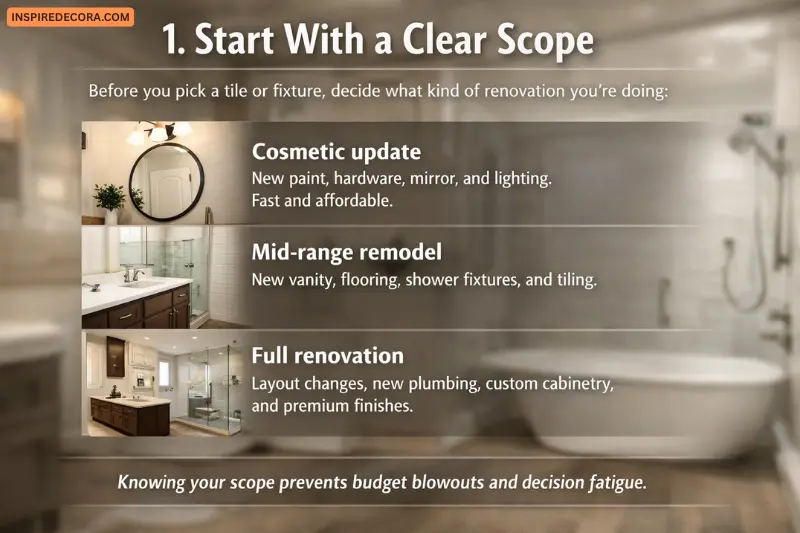
Before you pick a tile or fixture, decide what kind of renovation you’re doing:
- Cosmetic update – New paint, hardware, mirror, and lighting. Fast and affordable.
- Mid-range remodel – New vanity, flooring, shower fixtures, and tiling.
- Full renovation – Layout changes, new plumbing, custom cabinetry, and premium finishes.
Knowing your scope prevents budget blowouts and decision fatigue.
2. Bathroom Design Styles to Consider

- Modern Minimalist Clean lines, floating vanities, frameless mirrors, and matte black or brushed nickel hardware. This style keeps bathrooms feeling airy and uncluttered.
- Spa-Inspired Think warm neutrals, rainfall showerheads, soaking tubs, and natural stone tile. Add a few plants and soft lighting for a true retreat feel.
- Classic White and Neutral Subway tiles, shaker-style cabinets, and white fixtures never go out of style. This palette makes small bathrooms look larger and stays timeless for decades.
- Bold and Colorful Moody navy, forest green, or terracotta wall tiles make a dramatic statement. Pair bold colors with simple fixtures to avoid visual overload.
3. The Upgrades That Make the Biggest Difference

Not all upgrades are created equal. These deliver the best return on investment for your bathroom renovations:
- Walk-in showers – Removing a dated tub in favor of a tiled walk-in shower is one of the most popular renovation moves.
- New vanity and basin – Instantly refreshes the look and feel of the room.
- Underfloor heating – Surprisingly affordable to install during a renovation; feels incredibly luxurious.
- Frameless shower screens – Make even compact bathrooms feel more open.
- Improved ventilation – Reduces mold, moisture damage, and unpleasant odors long term.
- Smart storage – Recessed shelving, mirrored cabinets, and built-in niches keep surfaces clutter-free.
Bathroom Renovation Cost Breakdown
One of the biggest gaps in competitor content is honest cost information. Here’s a realistic breakdown:
| Renovation Type | Estimated Cost Range |
|---|---|
| Cosmetic Update (paint, fixtures, hardware) | $1,000 – $5,000 |
| Small Bathroom Remodel | $5,000 – $15,000 |
| Standard Full Bathroom Renovation | $15,000 – $30,000 |
| Luxury Master Bathroom | $30,000 – $80,000+ |
Cost factors that move the needle:
- Bathroom size (square footage = more materials and labor)
- Plumbing or layout changes (expensive but sometimes necessary)
- Quality of tiles, fixtures, and fittings
- Labor rates in your area
- Permits and inspections
Pro tip: Keep plumbing in the same location wherever possible. Moving pipes is one of the fastest ways to inflate a renovation budget.
Laundry Room Renovation Ideas: More Than Just Appliances
Most people think a laundry room renovation means buying a new washer and dryer. But a thoughtful laundry renovation transforms a chore you dread into one you barely notice.
1. Maximize Every Inch With Smart Storage
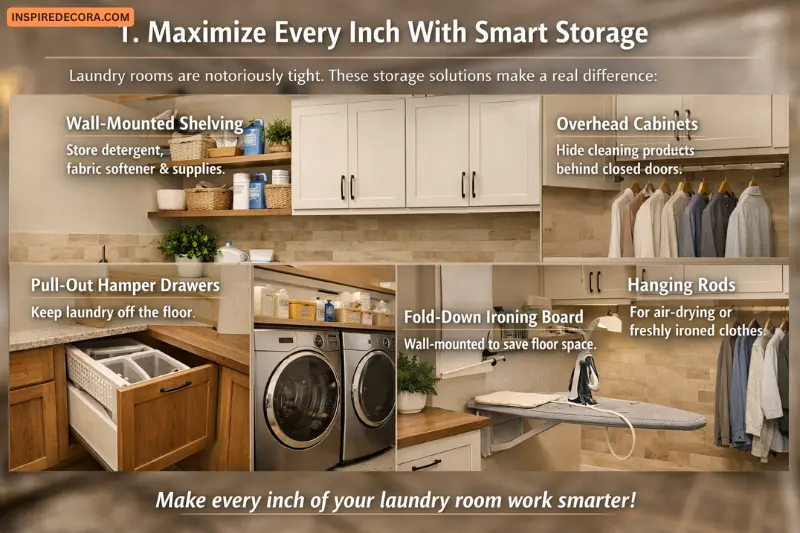
Laundry rooms are notoriously tight. These storage solutions make a real difference:
- Wall-mounted shelving above the washer and dryer for detergent, fabric softener, and supplies
- Pull-out hamper drawers built into cabinetry to keep laundry off the floor
- Overhead cabinets with closed doors to hide cleaning products
- A fold-down ironing board mounted to the wall saves floor space entirely
- Hanging rods for air-drying delicate items or freshly ironed clothes
2. Choose the Right Layout
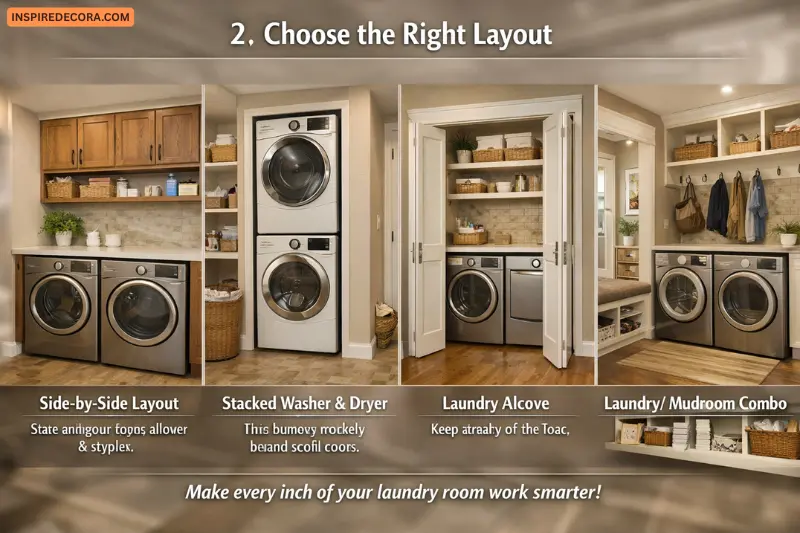
The layout of your laundry renovation depends on your available space:
- Side-by-side layout – Works well in wider rooms; easy access to both machines.
- Stacked washer and dryer – Ideal for narrow spaces or laundry closets; saves floor space.
- Laundry alcove – A recessed nook built into a hallway or kitchen area, hidden behind bi-fold or sliding doors.
- Laundry/mudroom combo – Add built-in benches, hooks, and shoe storage near the entrance.
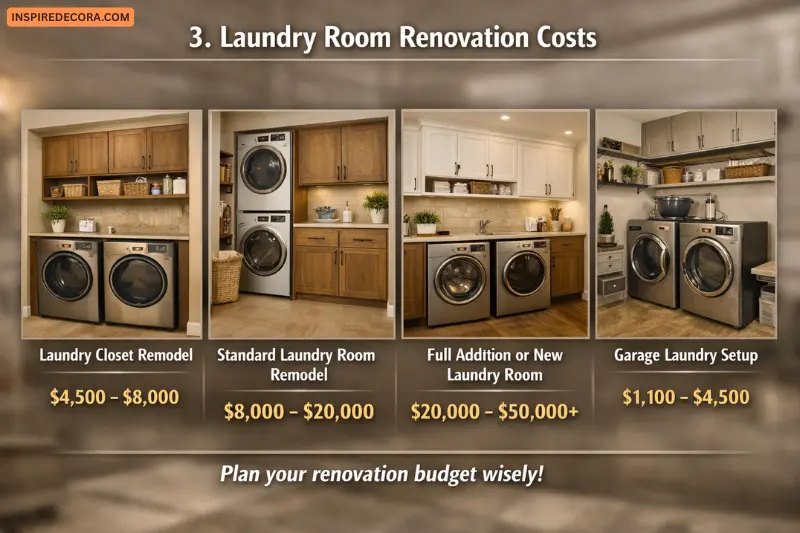
3. Laundry Room Renovation Costs
| Renovation Type | Estimated Cost Range |
|---|---|
| Laundry Closet Remodel | $4,500 – $8,000 |
| Standard Laundry Room Remodel | $8,000 – $20,000 |
| Full Addition or New Laundry Room | $20,000 – $50,000+ |
| Garage Laundry Setup | $1,100 – $4,500 |
The Bathroom and Laundry Combo: A Space-Saving Renovation Trend
Combining your bathroom and laundry room into one functional space is one of the smartest renovation decisions for homes with limited square footage. When done right, a bathroom-laundry combo feels intentional, organized, and stylish — not cramped.
Why Consider a Combo Renovation?
- Shares plumbing between the two spaces, reducing installation costs
- Maximizes space in apartments, townhouses, and smaller homes
- Keeps the laundry area out of sight and easy to maintain
- Makes both bathroom and laundry renovations more affordable when done together
Layout Tips for Bathroom-Laundry Combos
- Keep appliances out of sight. Use a floor-to-ceiling cabinet or a dedicated alcove with bi-fold doors to tuck the washer and dryer away. This keeps the bathroom feeling like a relaxing space, not a utility room.
- Use moisture-resistant materials throughout. Both areas generate steam and humidity. Choose porcelain tiles, moisture-resistant cabinetry, and proper ventilation to protect your renovation long term.
- Plan your plumbing run carefully. Position the washer near existing plumbing lines. Even minor changes to where pipes run can significantly impact your renovation budget.
- Add a dedicated laundry sink. A small utility sink in the combo space is incredibly practical for hand-washing delicates, soaking stained items, or even cleaning dirty shoes.
- Separate the zones visually. Even in an open plan, use different flooring patterns, a change in cabinetry color, or a partial dividing wall to define the bathroom and laundry zones.
Common Bathroom and Laundry Renovation Mistakes to Avoid
This is the section most competitors skip entirely — and it’s one of the most useful.
1. Skipping ventilation planning Inadequate ventilation is the leading cause of mold and moisture damage in both bathrooms and laundry rooms. Install a quality exhaust fan rated for the size of the room and make sure it vents outside — not just into the ceiling cavity.
2. Choosing style over function A stunning tile pattern means nothing if your vanity has no storage, your shower has no shelf, or your laundry room has nowhere to fold clothes. Always design for function first, then layer in aesthetics.
3. Underestimating plumbing costs Plumbing work is one of the biggest cost variables in any bathroom or laundry renovation. Get detailed quotes before you commit to a layout that requires moving pipes or adding new connections.
4. Forgetting about lighting Poor lighting ruins even the most beautiful bathroom renovation. Layer your lighting: overhead for general illumination, task lighting beside the mirror for grooming, and accent lighting to set the mood.
5. Buying cheap fixtures Budget taps, showerheads, and toilet fittings often fail within a few years, costing you more in replacements and repairs. Invest in mid-range to quality fixtures; they last significantly longer.
6. Not planning for enough power points Modern laundry rooms need multiple power outlets — for the washer, dryer, iron, and charging station. Bathrooms also need properly placed, waterproof outlets near the vanity. Plan these before walls are tiled.
7. Rushing the contractor selection Always get at least three quotes. Check references, confirm licenses, and look at completed projects before you hire. Rushing this step is one of the costliest renovation mistakes homeowners make.
Material and Finish Guide for Bathroom and Laundry Renovations
Flooring Options
| Material | Best For | Notes |
|---|---|---|
| Porcelain tile | Both spaces | Durable, water-resistant, huge variety of styles |
| Vinyl plank (LVP) | Laundry rooms | Budget-friendly, warm underfoot, easy to install |
| Natural stone | Bathrooms | Premium look; requires sealing and maintenance |
| Concrete | Both spaces | Industrial aesthetic; needs proper sealing |
Cabinetry Choices
- Painted MDF – Affordable and easy to customize; avoid in very humid bathrooms without proper sealing.
- Thermofoil – Water-resistant and easy to clean; great for laundry rooms.
- Solid timber – Beautiful but expensive; ensure adequate ventilation to prevent warping.
- PVC cabinetry – The most moisture-resistant option; ideal for wet areas.
Tile Trends Worth Knowing
- Textured and fluted tiles add depth without pattern
- Terrazzo-look tiles bring color and character
- Large-format tiles (600mm x 600mm and above) make small spaces feel larger with fewer grout lines
- Matte finishes are more slip-resistant and show fewer water marks than gloss
DIY vs. Hiring a Professional: When to Call in the Experts
Some renovation tasks are genuinely DIY-friendly. Others are not.
Safe to DIY:
- Painting walls and cabinetry
- Replacing hardware (handles, towel rails, toilet roll holders)
- Installing shelving and storage solutions
- Grouting and re-sealing tiles
Always hire a professional:
- Plumbing work (connecting appliances, moving pipes, installing new fixtures)
- Electrical work (adding outlets, installing lighting, running new circuits)
- Waterproofing (critical in bathrooms; poor waterproofing causes structural damage)
- Tiling large or complex areas
The cost of fixing a DIY mistake in plumbing or waterproofing almost always exceeds what you would have paid a professional to do it right the first time.
How to Plan Your Bathroom and Laundry Renovation Step by Step
- Set your budget — Be realistic and include a 15–20% contingency for unexpected costs.
- Define your scope — Cosmetic update, partial remodel, or full renovation?
- Measure and plan the layout — Know your dimensions before selecting any products.
- Choose your style and materials — Gather inspiration, then narrow down your selections.
- Get multiple quotes — Aim for at least three licensed contractors.
- Check permits — Some renovations require council or building approval.
- Order materials early — Tiles, vanities, and appliances can have long lead times.
- Manage the build — Keep communication open with your contractor throughout the project.
- Inspect before final payment — Walk through the completed work carefully before signing off.
Frequently Asked Questions
1. How long do bathroom and laundry renovations typically take?
A cosmetic bathroom update can take 3–5 days. A full bathroom renovation typically takes 2–4 weeks. A laundry room remodel usually takes 1–2 weeks, depending on the scope. Combining both spaces into a single project can add time but reduces the overall disruption to your home.
2. Do I need council approval for a Bathroom and Laundry Renovations?
In most cases, cosmetic updates (new tiles, fixtures, paint) don’t require a permit. However, any work that involves moving plumbing, structural changes, or adding new electrical circuits will typically require permits and inspections. Always check with your local council before starting.
3. What is the best way to make a small bathroom feel larger?
Use large-format tiles to reduce grout lines, choose a frameless shower screen instead of a framed one, install a wall-hung vanity to open up floor space, use mirrors strategically to reflect light, and opt for a consistent color palette throughout.
4. Can I combine my Bathroom and Laundry Renovations to save money?
Yes — combining bathroom and laundry renovations is one of the smartest ways to save. You share contractor visits, reduce mobilization fees, and can consolidate plumbing work. Many homeowners save 15–25% compared to doing the two projects separately.
5. How do I choose between a bath and a walk-in shower?
If you have young children or love to soak, keep the bath. If you rarely use a tub, converting to a walk-in shower gives you a more functional and visually spacious bathroom. Families with young kids often prefer to retain at least one bath in the home.
6. What’s the most important thing to get right in a laundry renovation?
Storage. The most common complaint about laundry rooms is a lack of space to sort, fold, and store items. Before you choose finishes, map out exactly how many people are in your household, how much laundry you generate weekly, and what supplies you need to store. Build the storage first, then wrap the design around it.
7. How do I prevent mold in a combined Bathroom and Laundry Renovations space?
Install a correctly sized exhaust fan, ensure it vents to the outside, use moisture-resistant materials and waterproof coatings, keep windows open when possible, and wipe down surfaces regularly. Mold grows where moisture sits — good ventilation is your best defense.
8. What flooring is best for a Bathroom and Laundry Renovations combo?
Porcelain tile is the top choice for bathroom and laundry combos. It’s waterproof, durable, easy to clean, and available in hundreds of styles. Avoid carpet and standard timber flooring in any area where water exposure is likely.
9. Is it worth getting a laundry sink in a small space?
Almost always yes. A laundry sink adds genuine everyday utility — for hand-washing delicate clothing, cleaning muddy shoes, soaking stained items, and filling buckets. Even a small, compact sink makes a significant difference. Wall-mounted utility sinks are a space-efficient option for tight renovations.
10. How do I add value to my home through bathroom and laundry renovations?
Focus on quality over trends, keep the design neutral and timeless, ensure everything is properly waterproofed and ventilated, and prioritize functionality. Buyers respond well to renovated bathrooms and laundry rooms that look fresh, feel practical, and show no signs of moisture damage.
Final Thoughts
Bathroom and laundry renovations are two of the most rewarding upgrades you can make to your home. Whether you’re refreshing a tired bathroom with new fixtures and a fresh coat of paint, building out a fully fitted laundry room from scratch, or combining both spaces into one smart, efficient layout, the effort pays off in every direction — daily comfort, reduced maintenance, and long-term home value. The key is to plan carefully, budget honestly, choose quality materials, and hire the right people for the work that matters most. Take it one step at a time, and you’ll end up with spaces that genuinely work for your lifestyle — and look great doing it.